



Aline Kamakian’s story is one of resilience, identity and purpose. Best known as the founder of Mayrig, one of Lebanon’s most famous Armenian restaurants, Kamakian has spent more than two decades preserving and sharing her rich heritage with the world. However, behind the restaurants, franchises and accolades lies a deeply personal journey shaped by family, loss and an unwavering love for Lebanon.
You often speak about family and heritage. What are your earliest memories of growing up in Lebanon?
My mother’s family lived in Zarif and my father’s family in Bourj Hammoud. Before the war, we lived in Zarif, right across from the Lycée Français. My grandfather worked at the Saint-Georges Hotel as maître d’hôtel, so I spent a lot of time around Ain El Mreisseh, the seafront and the old Beirut that existed then.
When the war started, we moved to Rabweh. At the time, there were only a few houses there, surrounded by nature. I grew up running through the forests, climbing trees and playing with boys rather than dolls. That period shaped me. It gave me a lifelong love of nature and a sense of freedom that never left me.
Your family seems to have had a profound influence on your life. Who shaped you the most?
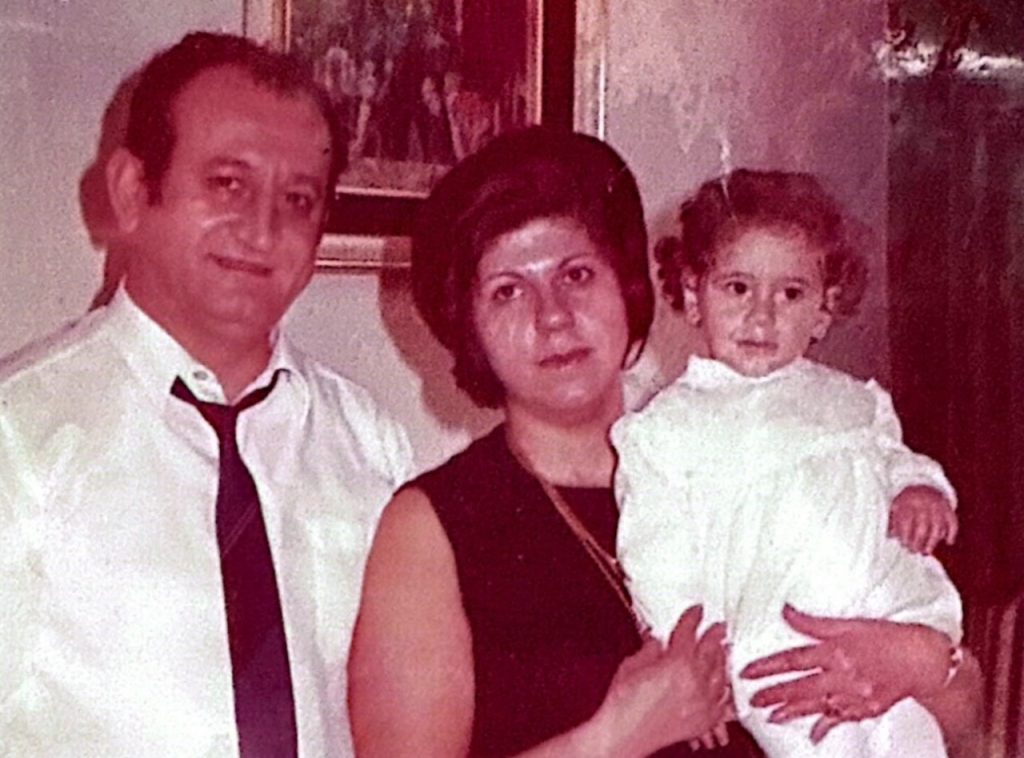
Without question, my father. He understood me better than anyone. If he wanted me to do something, he would tell me I couldn’t do it, and I would immediately prove him wrong. He knew exactly how to motivate me.
My mother dreamed of a daughter who loved ballet and makeup. I was not that child. Although, we connected in the kitchen. I learned from her, from both my grandmothers and from my aunt, who was like a second mother to me.
Food was always present. Family gatherings were enormous. I still remember watching my grandfather carve meat at the table with elegance and precision. I was fascinated by service, hospitality and the way food brought people together.
How much did your Armenian heritage influence your path?
It influenced everything. My maternal grandmother survived the Armenian Genocide. She lost her family at the age of 12 and spent years reconstructing recipes from memory, smell and taste. My grandfather was deeply involved in preserving Armenian traditions and community life.
I grew up with stories of resilience, responsibility and rebuilding. There was always a strong sense of belonging and of giving back to the community.
My father was also deeply committed to Armenian causes. Every April 24, I would accompany him to the march and commemorations. To this day, I never miss that date.
You lost your father when you were only 17. How did that moment change you?
His death was the greatest shock of my life. Overnight, I understood that if I wanted independence, I needed financial independence. There was no other way. I started selling insurance while I was still in school and eventually built my own insurance consultancy. But even as my career grew, there was another dream quietly waiting. It wasn’t my dream originally. It was my father’s; to open a small Armenian restaurant.
My mother was an exceptional cook, and our home was always full of guests. My father used to say that one day they would open a restaurant and tell the story of Armenian cuisine. When he passed away, that dream stayed with me.
Years later, while working with hotel groups such as the InterContinental, I invited several executives to my home for an Armenian Christmas dinner. After the meal, one of them looked at me and said, “You should open a restaurant.” Something clicked. Drien by my father’s vision, Mayrig opened in 2003. The menu was based on my mother’s recipes. I always say that I was merely the catalyst.
You built a successful career in insurance before opening Mayrig. Was entrepreneurship always part of the plan?
Not at all. My father insisted that I work from a young age during my summer holidays. From the age of 13, I had to find a job on my own. Wasting the school vacation was not an option, and he wouldn’t allow me to ask family friends for help. I had to knock on doors and face rejection myself.
I worked in a photography studio, a bookstore and a pharmacy. Looking back, those experiences taught me persistence. They taught me that if something matters, you don’t stop after one phone call or one closed door. That lesson stayed with me for life.
Did you ever imagine Mayrig would become an international brand?
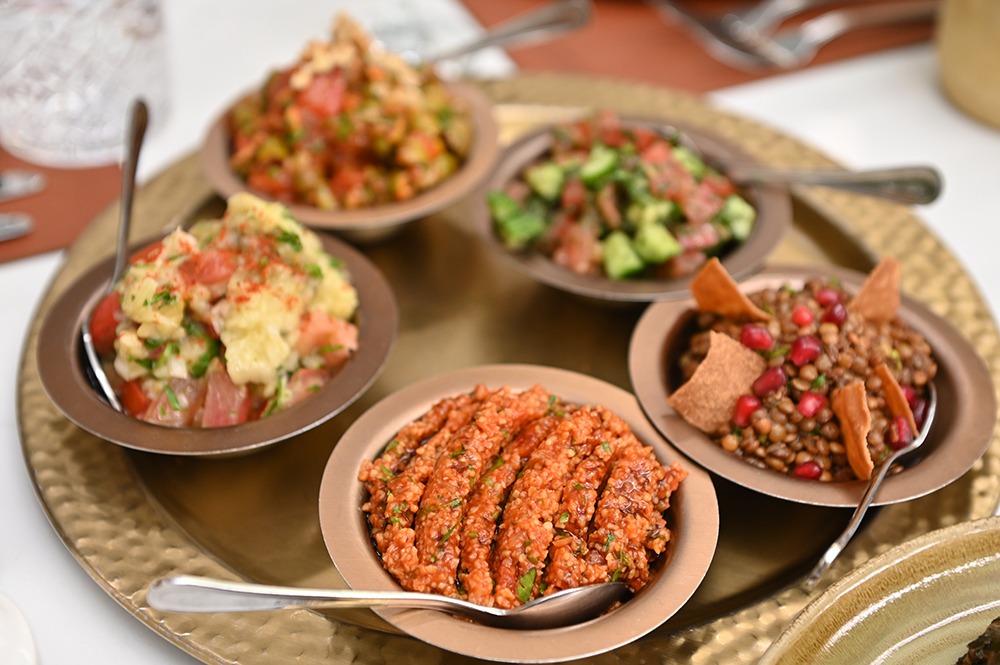
No, not at all. In the beginning, it was difficult. People knew Armenian food through lahm bajeen, sujuk and basterma sandwiches. They did not know the richness of the cuisine. We introduced dishes that many people had never seen before. We were challenging perceptions and creating something new.
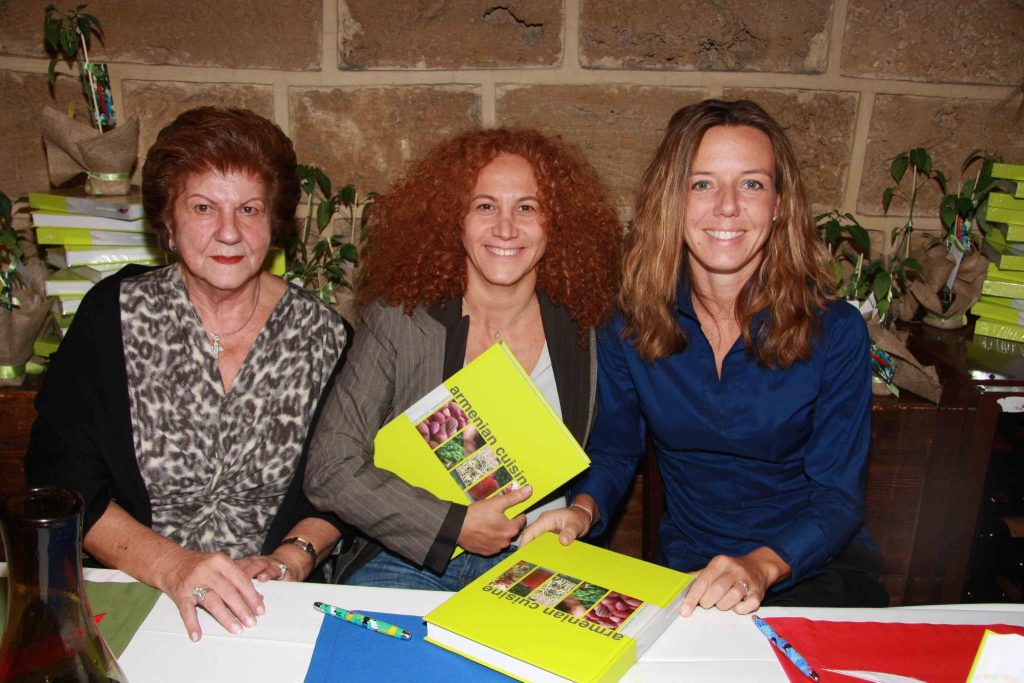
Today, when I see Armenian cuisine gaining visibility around the world, it makes me happy. My mission has always been larger than a restaurant. It is about sharing culture. Mayrig represents traditional Armenian cuisine. Batchig gives me more freedom to explore the intersection between Armenian, Lebanese and regional influences. Each concept serves a different purpose, but they all belong to the same story. The goal remains unchanged: to introduce Armenian culture to more people, through different experiences and different generations.
What gives you joy outside work?
Travel. I love discovering ingredients, visiting local markets and eating street food. I am endlessly curious about how people cook and eat.
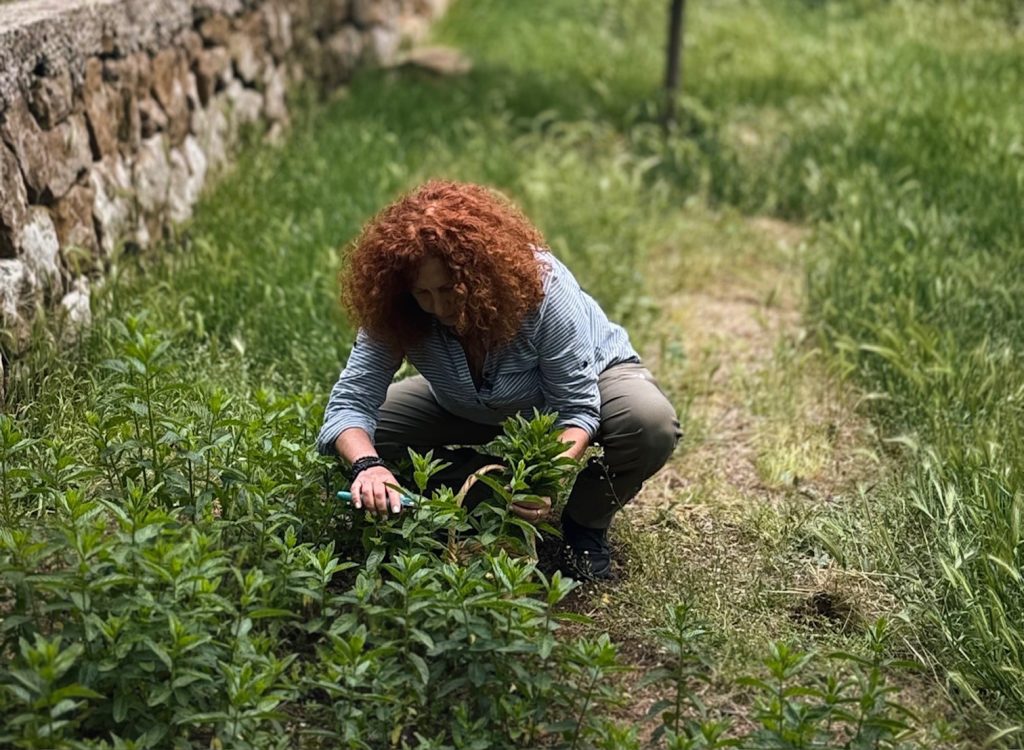
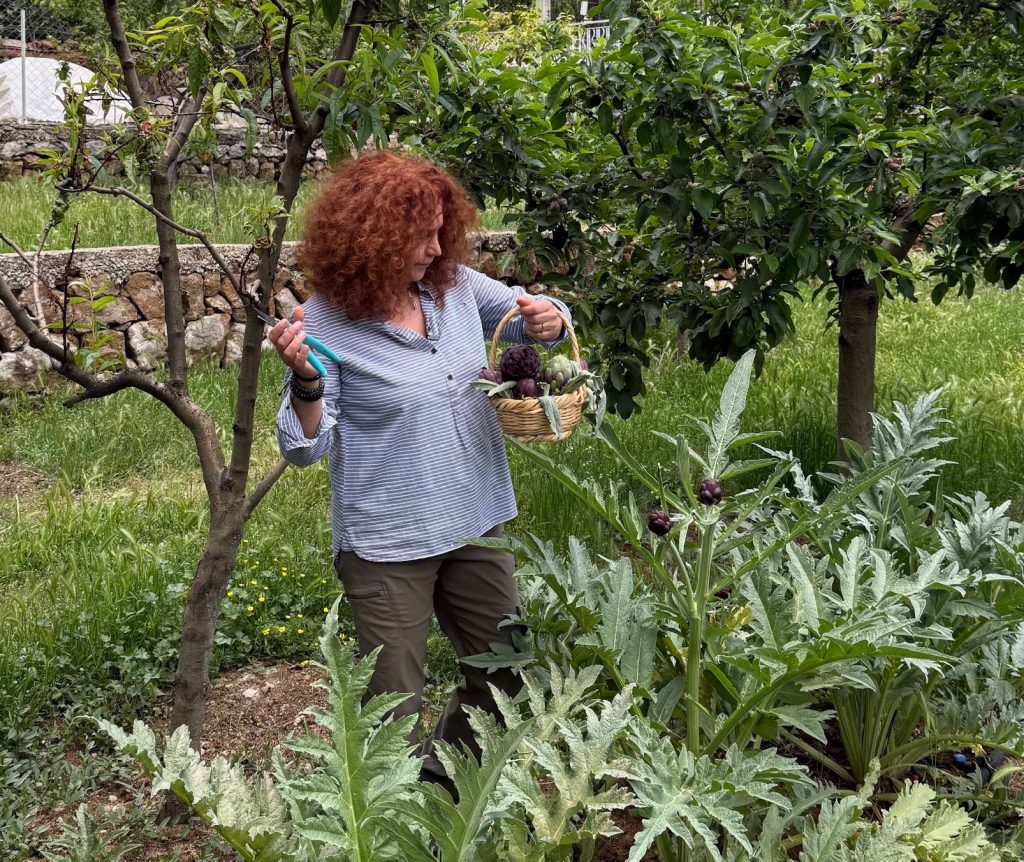
I also need nature. I spend a great amount of time hiking in Lebanon with my dogs, especially around Broummana. Those early morning walks recharge me. I enjoy planting as well. Whenever I travel, I return with seeds, ideas or plants to experiment with.
And lately, I’ve developed a passion for visiting wineries. Not necessarily for drinking, rather for understanding the stories behind wine, the regions and the people who make it.
What does Lebanon mean to you?
People in Armenia tell me I’m Lebanese. People in Lebanon sometimes tell me I’m Armenian. The truth is that I am both. I am Lebanese of Armenian origin, and I am proud of both identities. Lebanon is my home. It is where I belong. I have had opportunities to leave, yet I never wanted to. I love this country deeply. I love discovering it, supporting it and building within it. Despite all its challenges, I cannot imagine living anywhere else.
Beyond hospitality, you’ve become known for your humanitarian work. Where does that commitment come from?
It comes from how I was raised. Community service was always part of our lives. Whether through scouting, volunteering or fundraising, helping others was simply normal.
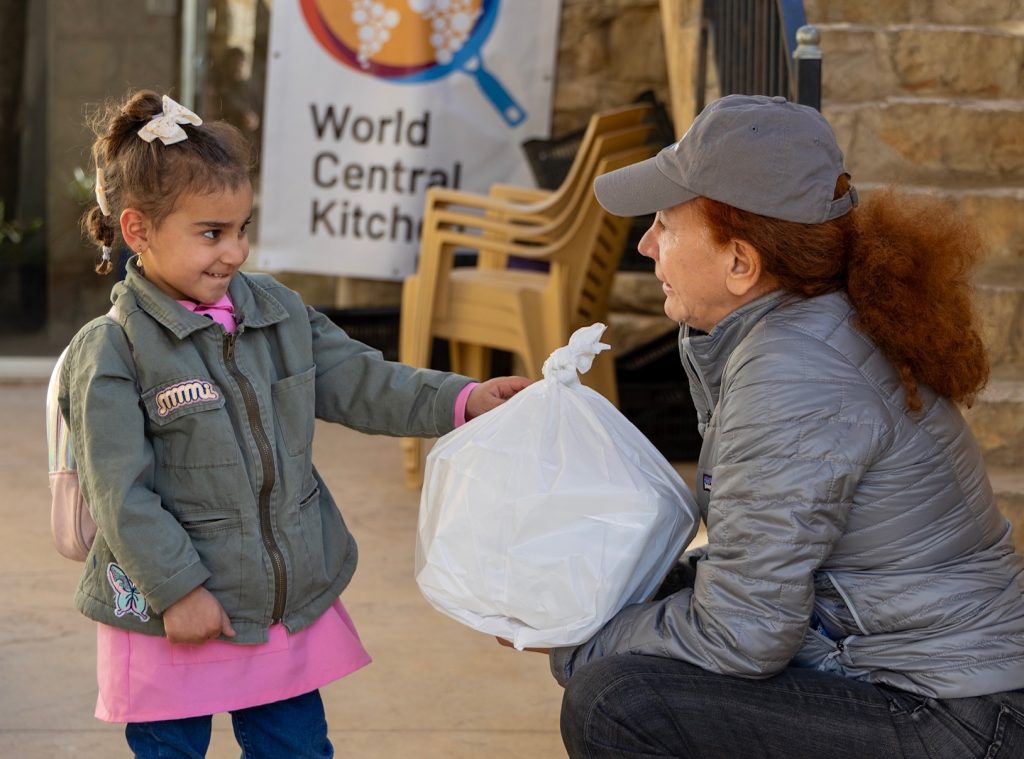
After the Beirut port explosion, I experienced something I had never experienced before: receiving help. That was incredibly difficult for me. At the same time, I was cooking for displaced families and working with World Central Kitchen. That experience changed my perspective. I understood both sides of solidarity—the one who gives and the one who receives. Since then, I’ve worked with World Central Kitchen in Lebanon and Armenia, helping provide meals during times of crisis.
At the end of the day, food is more than nourishment. It is dignity, comfort and hope. And sometimes, that’s exactly what people need most.
If you enjoyed reading this, check out our interview with chef Joe Barza.
Loading