



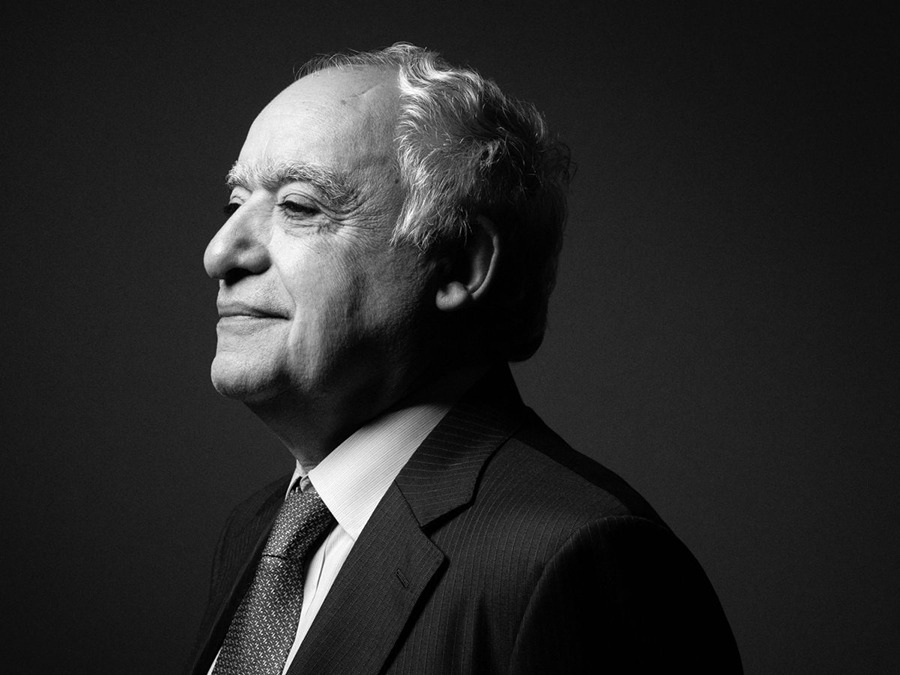
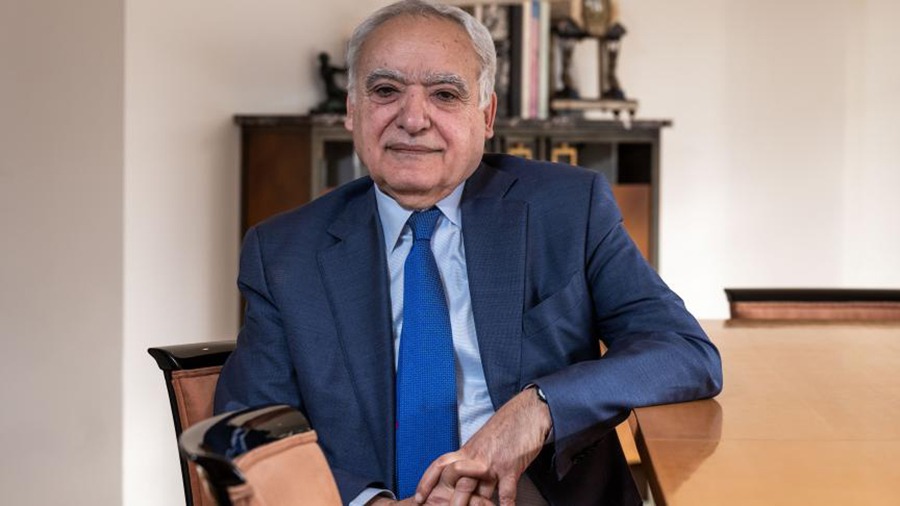
Few public figures embody Lebanon’s intellectual reach quite like that of culture minister H.E. Ghassan Salame. A scholar-diplomat who has served as founding dean of Sciences Po’s Paris School of International Affairs and the UN’s Special Representative in Libya, Salame returned to Lebanon’s Ministry of Culture in February 2025 — a post he first held between 2000 and 2003. In this conversation with Lebanon Traveler, he reflects on the evolving meaning of heritage, the challenges of protecting it amid conflict and what it means, at his core, to be Lebanese.
Protecting the country’s heritage sites, especially in southern Lebanon, is more urgent than ever following the massive attacks the region has endured. What can you tell us about this new approach?
Heritage today has taken on a new concept — one that is much broader than the traditional definition. In the past, heritage was thought of in terms of restricted areas: Tyre, Byblos or the Qadisha Valley. Today, heritage carries a much wider meaning. A traditional souk is part of our heritage. The National Library in Byblos is part of our heritage. Heritage now includes the entire environment in which people have lived and built — the spaces that have become woven into their collective memory. As a result, the Ministry of Culture’s responsibility has grown far broader than it once was.
What challenges have you faced in running the Ministry of Culture?
The challenges are numerous. The first relates to logistics and resources. The second is that we often have to wait for active conflict to subside before we can intervene — I cannot in good conscience send my staff into areas where fighting is ongoing, so sometimes we simply have to wait. The third challenge is the sheer scale of Lebanon’s heritage. This is a small country, yet it holds thousands of archaeological sites. That density, on such a small footprint, is itself a considerable challenge.
And what is the greatest honor of being Lebanon’s Minister of Culture?
Knowing that we did what needed to be done to protect our heritage — that is my first source of happiness. But the Ministry of Culture’s role isn’t limited to heritage alone; we also work to encourage Lebanon’s cultural industries. Seeing these industries grow within the national economy is another real source of satisfaction for me.
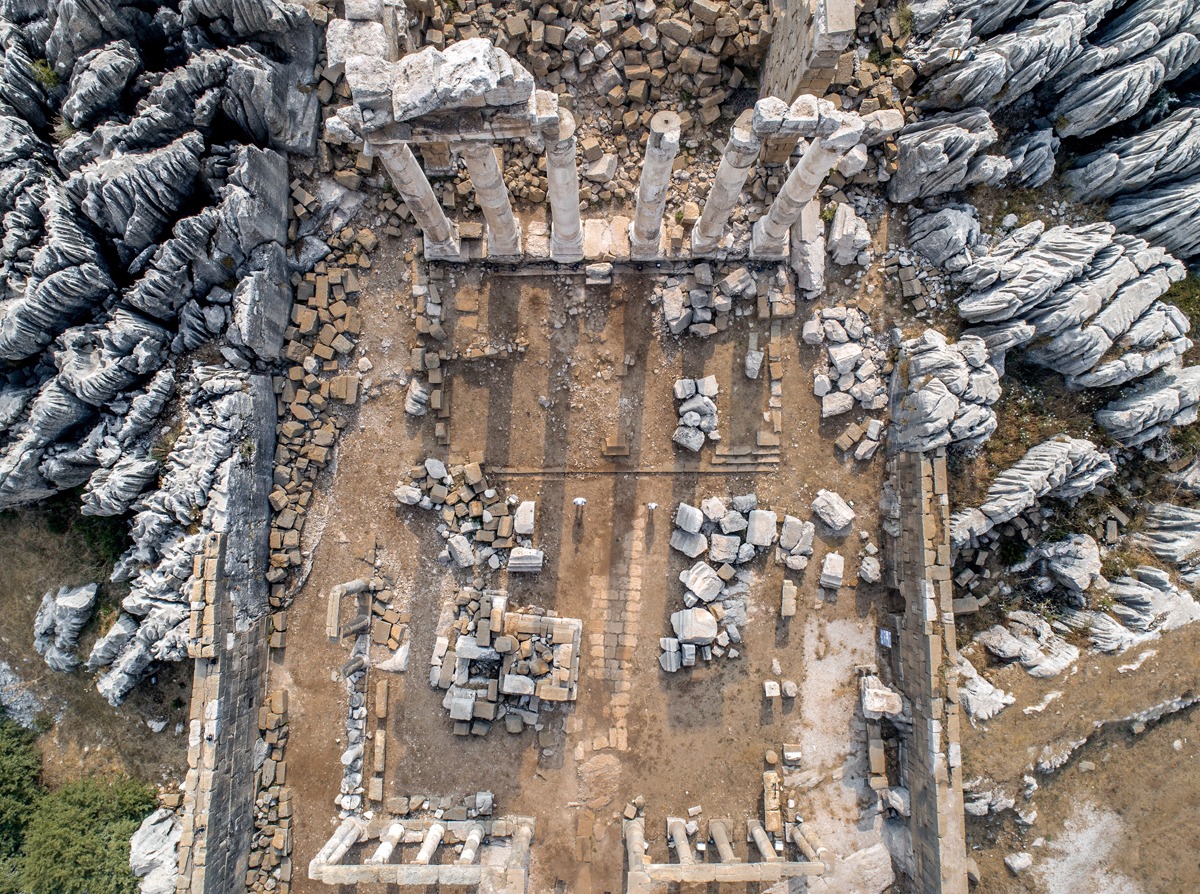
Photo: Rami Rizk
Which part of Lebanon are you from and how has it shaped you in your public service role?
I am from a village rich in heritage sites. It is called Kfardebian and is home to the magnificent Faqra ruins. Growing up there provided me with an appreciation for history and culture, as well as the environment. It had a profound impact on my mission to preserve our cultural identity.
What does being Lebanese mean to you?
That is a big question. It is part of my identity, my history, my mission to serve. I have had the opportunity to serve in countries around the world, including Myanmar, Iraq and Libya. Lebanon is also more deserving of my efforts and dedication.
If you enjoyed reading this, check out 25 museums in Lebanon we recommend.
Loading