




Mona Khalil spent more than two decades guarding the sea turtles of Lebanon’s southern coast. She refused every order to leave. She died on 18 June 2026, two weeks after an airstrike destroyed the Orange House she had built by the sea. This is a tribute to her work and to what she would not abandon.
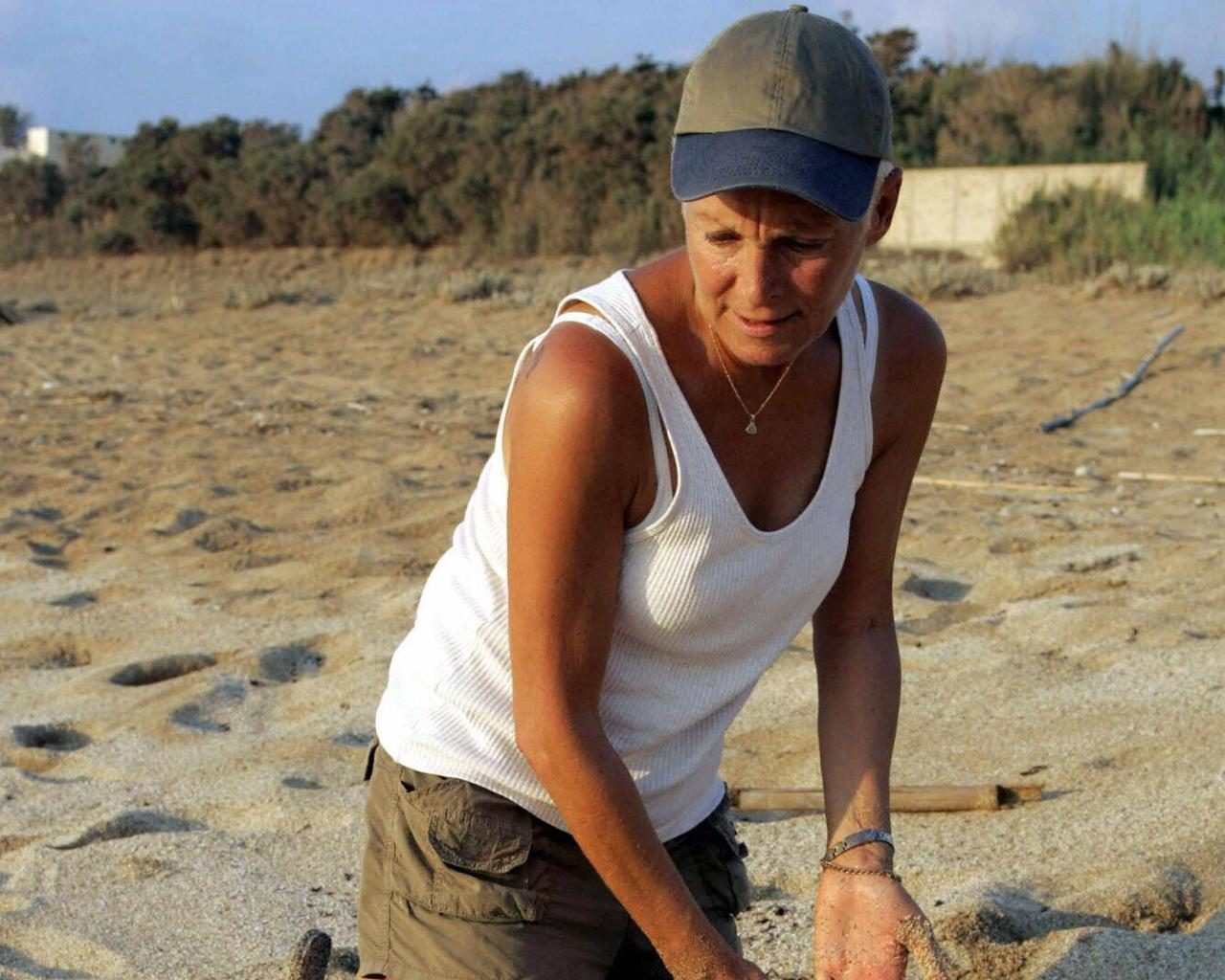 In 1999, Mona Khalil returned to her family’s home near Tyre after years abroad — including more than a decade in the Netherlands during Lebanon’s civil war. One evening on al-Mansouri beach, a sea turtle emerged from the Mediterranean to lay her eggs and threw sand in Mona’s face. It was an accidental meeting that became a lifelong calling. She was 50 years old, and she had just found her purpose.
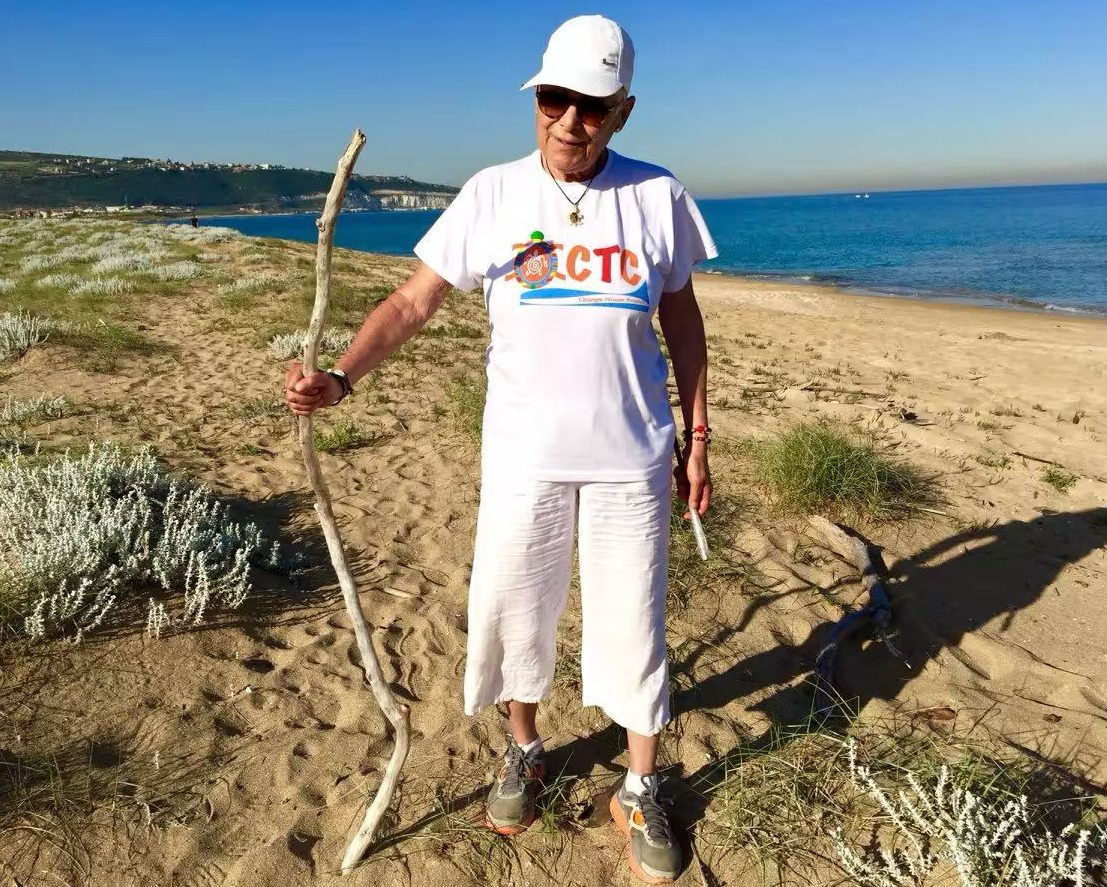
Within weeks, she was corresponding with European turtle protection organizations, learning to read nest sites, monitoring eggs and collecting data on the two endangered species — the green turtle and the loggerhead — that return each season to lay their eggs on Lebanon’s southern shores. Both are critically threatened in the eastern Mediterranean by coastal development, plastic pollution, fishing nets and light pollution. Without people like Mona standing watch, they would quietly vanish.
The Orange House

By 2000, she had established what became known as the Orange House — named in tribute to the Netherlands that had sheltered her in exile — an eco-guesthouse on al-Mansouri beach that grew into something far larger than its name suggested. It was a sanctuary for stray cats and dogs, a research center for marine biologists, a gathering point for volunteers from across Lebanon and beyond and a school for a generation of young environmentalists who came to call themselves her children. Guests who wished to stay had to be coordinated with the Lebanese army, given the proximity to the Israeli border. Nobody seemed to mind. Through the Orange House, she inspired generations of Lebanese to value and protect their natural heritage and coastal ecosystems.
Guardian and Protector
Mona’s conservation work was never quiet. She campaigned successfully to ban dynamite fishing along the southern coast. She fought the privatization of beaches and the construction projects that encroached on nesting grounds. She helped transform the coastline around her village into an officially recognized hima — the ancient Arabic word for a community-held sanctuary, a place protected for those who come after. She protected 58 sea turtle nests on her own stretch of shore.
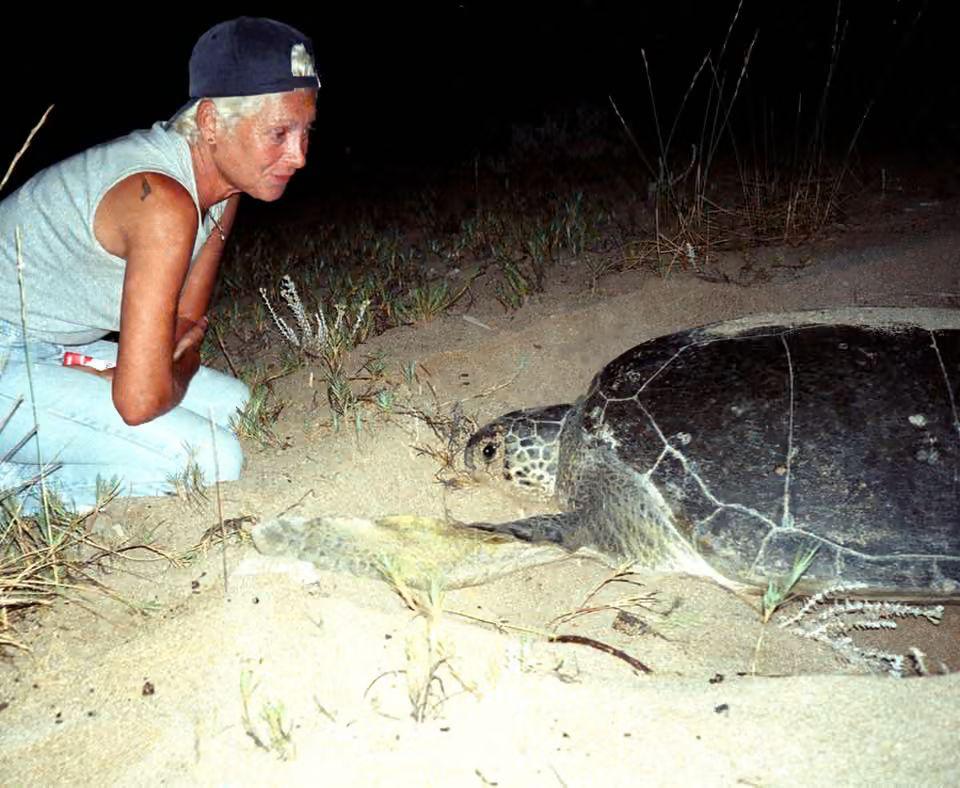
In Mona’s eyes, to protect Lebanon’s coastline was to love Lebanon — not the Lebanon of flags and speeches, but the Lebanon of sea-worn stone and creatures that had been returning to its shores long before any human being drew a border.
The One Who Stayed
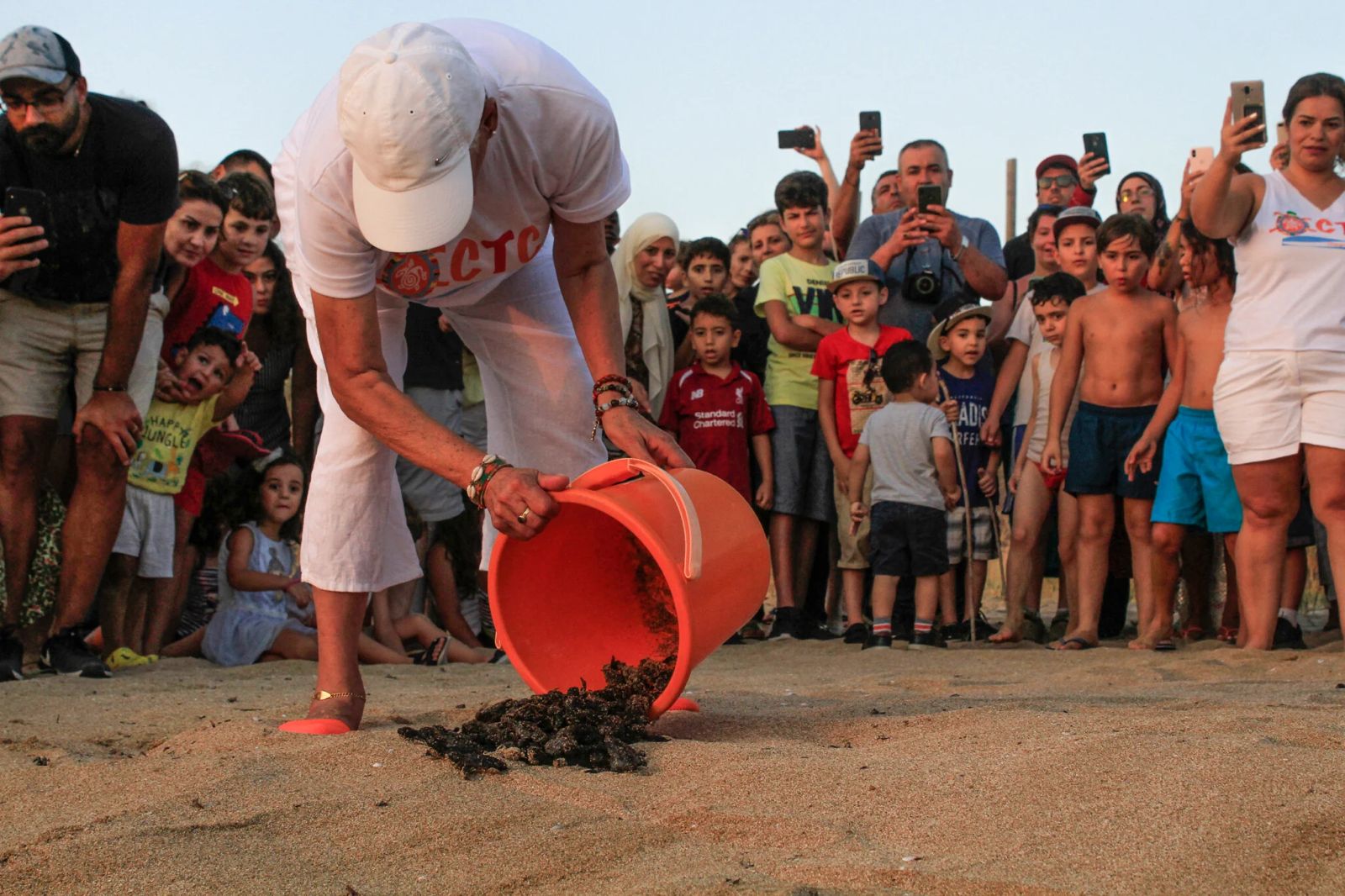
As the situation in South Lebanon intensified, those close to Mona feared for her safety. During an earlier escalation she eventually agreed to evacuate to Beirut — but, by many accounts, she was the last one to leave. She spent her months in the city longing to return, pointing at photographs of the citrus tree and the small hill above the beach. “My soul will stay here,” she would say. “This is where you will bury me.” She returned, as she always did.
On 4 June 2026, an airstrike hit the Orange House. Mona and her housekeeper were the only people inside. Critically wounded, she was taken to hospital but succumbed to her injuries 14 days later. She was 76.
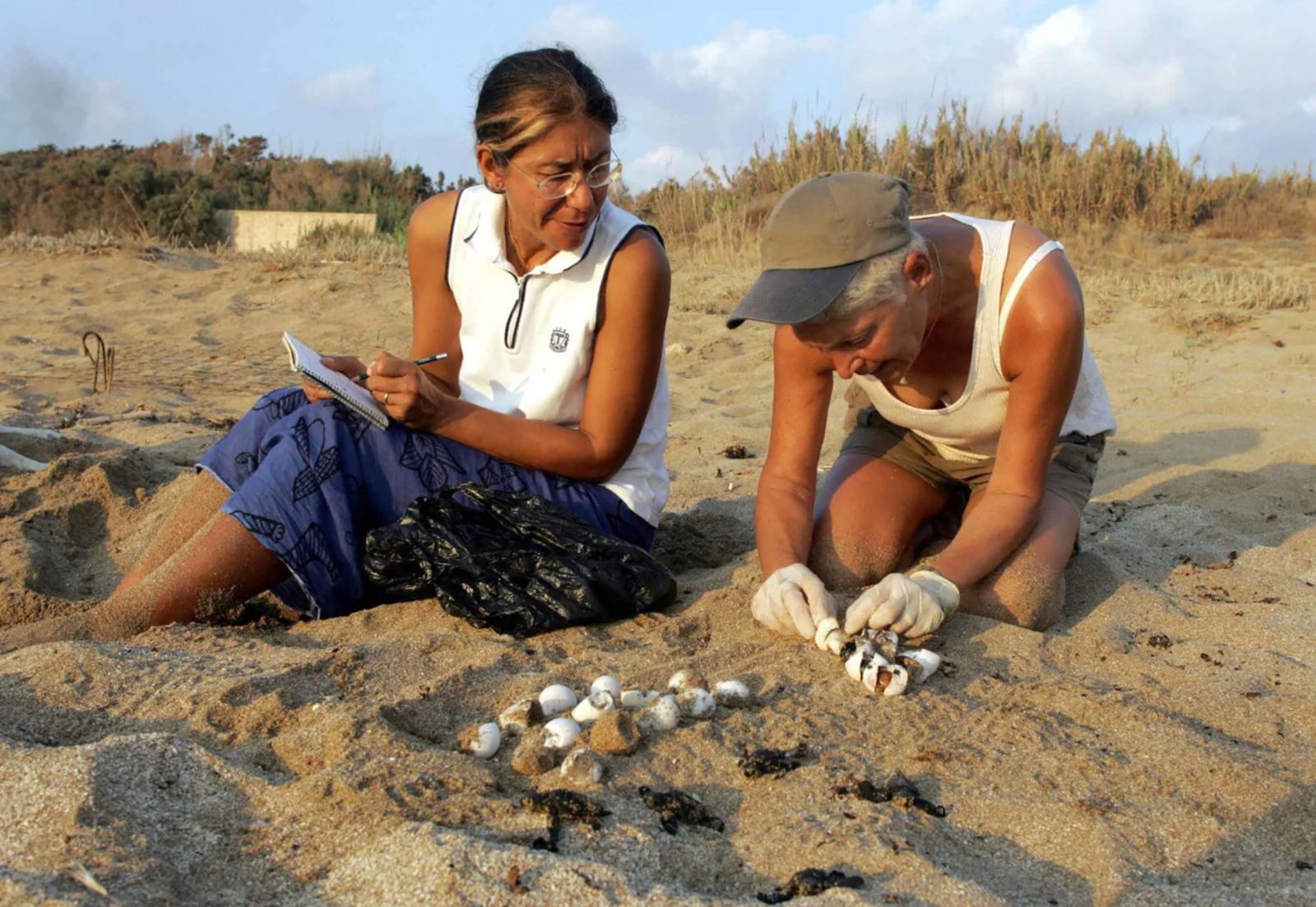
Her family has appealed to Lebanese authorities and international conservation organizations to protect the hima status of Mansouri beach — to ensure that the work she gave her life to does not become yet another casualty of this war. “Our fear is that the beach dies with her,” her niece Sarah Beydoun said. “Our hope is that it does not.”
The turtles will return to al-Mansouri beach this summer, as they have every summer, following some ancient compass no human being fully understands. They will find the sand. They will lay their eggs. They will go back to the sea. She asked only that we protect what remains — the land, the shore and the creatures that depend on both. That was her whole life. Let it be her legacy.
Loading