



Set within the peaceful grounds of the Catholicosate of Cilicia in Antelias, Metn, the Cilicia Museum is more than a cultural institution; it is a place where history feels personal.
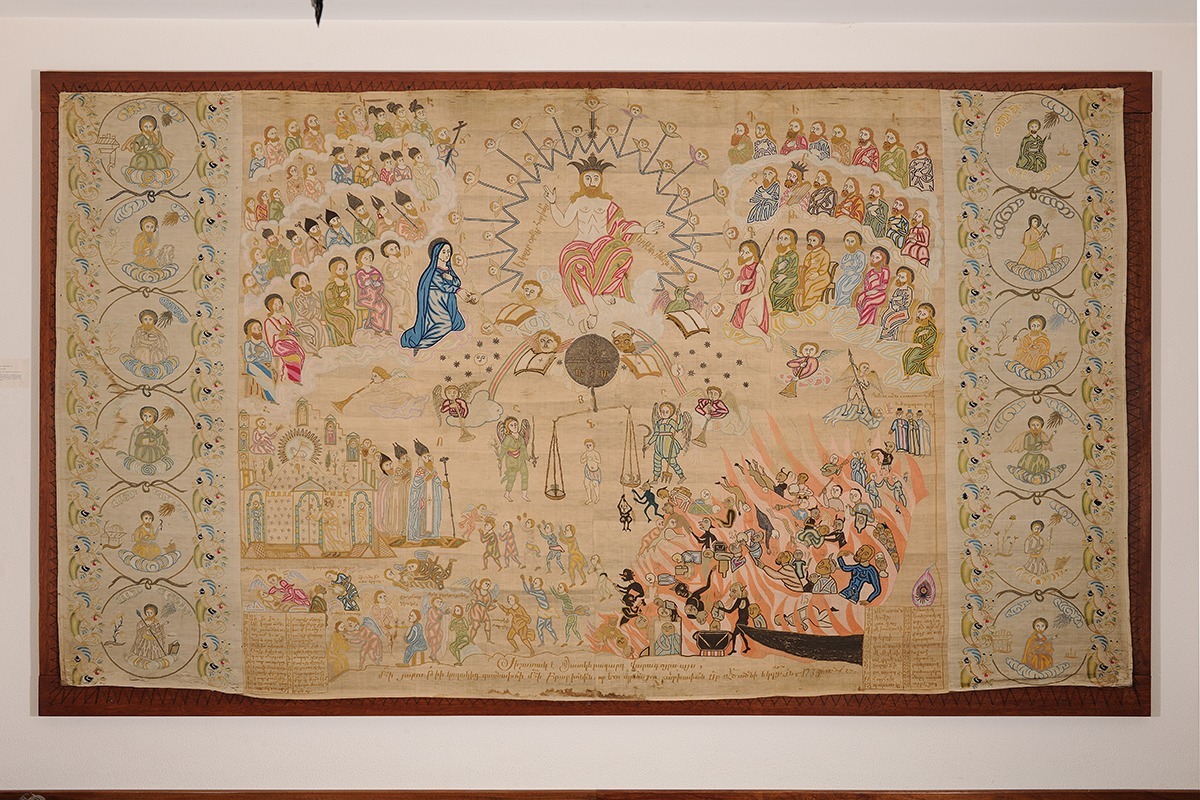
At first glance, it may seem like a traditional museum. But step inside, and you quickly realize that nearly every object here has a story of survival behind it.
Many of the artifacts were carried into exile during the Armenian Genocide, when Armenian clergy were forced to flee their historic seat at the Monastery of Sis. With little time to prepare, they gathered what they could: manuscripts, sacred relics, ceremonial garments and church treasures: preserving fragments of a centuries-old heritage under threat.
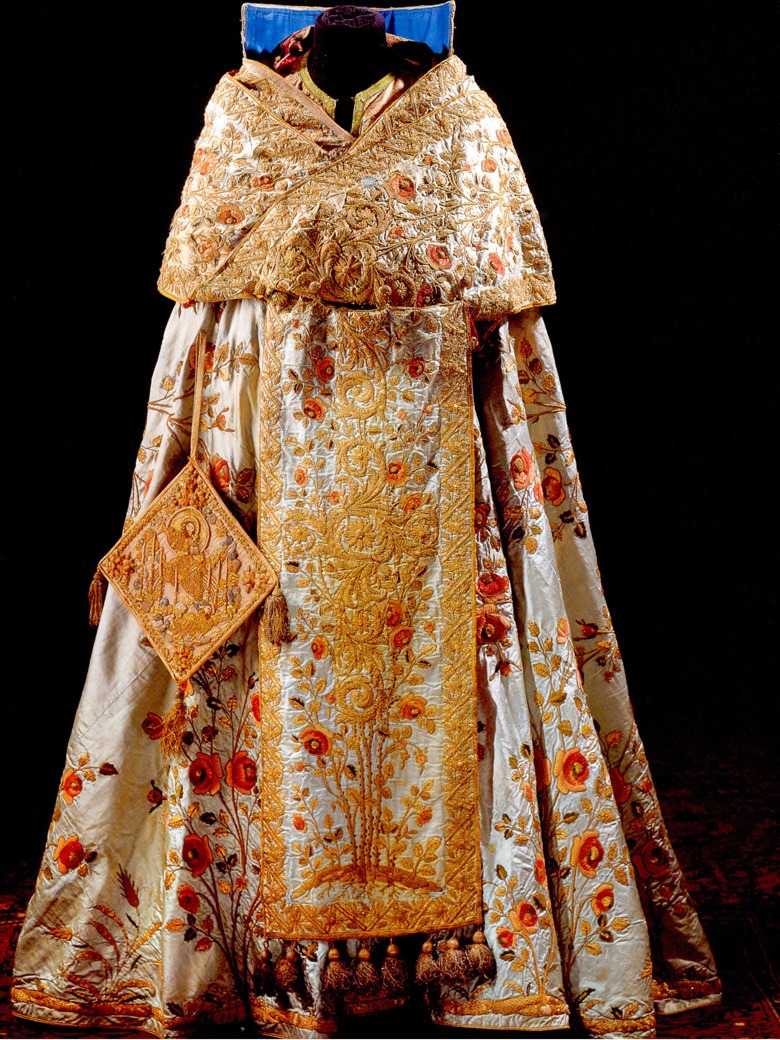
The journey was marked by loss and uncertainty. At one point, while crossing the Jeyhan River, a cart carrying these precious items was swept away by strong currents, causing a chest of artifacts to sink beneath the water. Against all odds, much of it was recovered: an effort that ensured these pieces would not disappear with history.
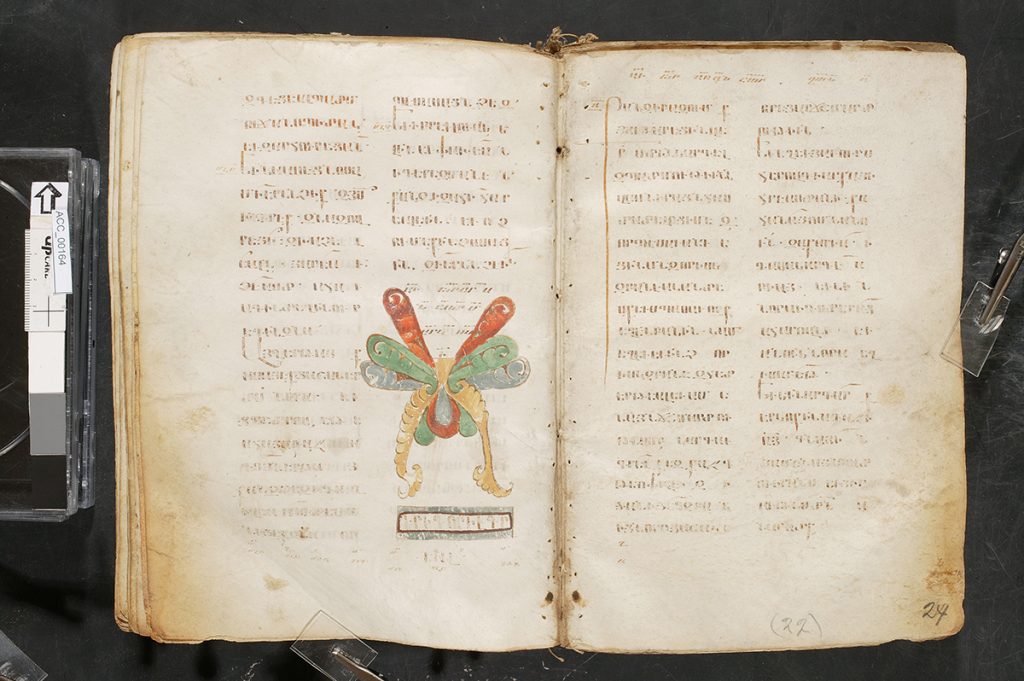 Today, those rescued treasures form the heart of the Cilicia Museum.
Established in 1997, the museum has grown into one of the most important collections of Armenian heritage outside Armenia. Its galleries unfold across several sections, offering visitors a rich and layered journey through time.
Intricately crafted religious objects; silver chalices, gold altarpieces, reliquaries and embroidered vestments that reflect centuries of spiritual tradition. Elsewhere, ancient coins, archaeological finds, illuminated manuscripts and rare books reveal the depth of Armenian history, with some pieces dating back as far as the third century.
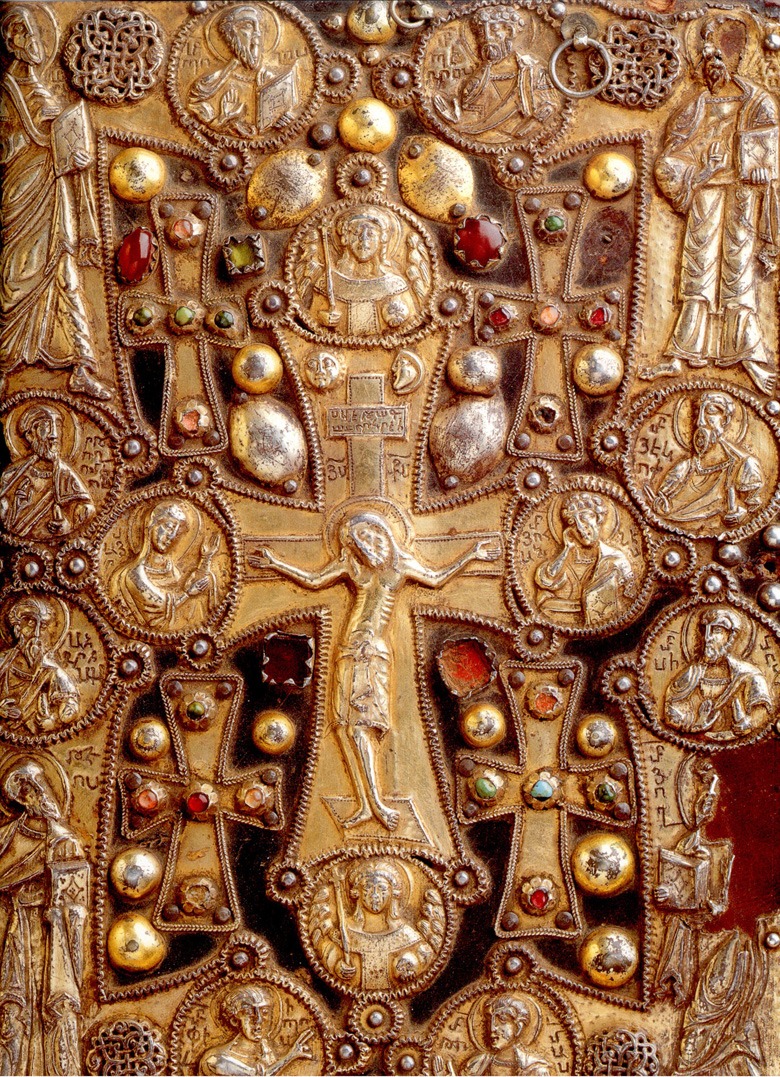
Other sections highlight khachkars (carved stone crosses), textiles, carpets, tapestries and modern Armenian art, showing how this heritage continues to evolve across generations.
Just next door, the Cilicia Library houses around 80,000 volumes, including 2,000 ancient manuscripts, making it an important center for research and preservation. The museum is also a member of the International Council of Museums, underscoring its international cultural significance.
Visiting the Cilicia Museum is not simply about viewing artifacts—it’s about stepping into a story of resilience. Each object carries a past that was nearly lost, yet carefully preserved and passed on.
Practical Information
The Cilicia Museum is located in Antelias and is open Tuesday to Saturday from 10:00 am to 5:00 pm, and Sunday from 10:00 am to 1:00 pm. Visitors should allow around two to three hours to fully explore. Entrance is free.
If you enjoyed reading this, check out our article on 25 museums to visit in Lebanon.
Loading