



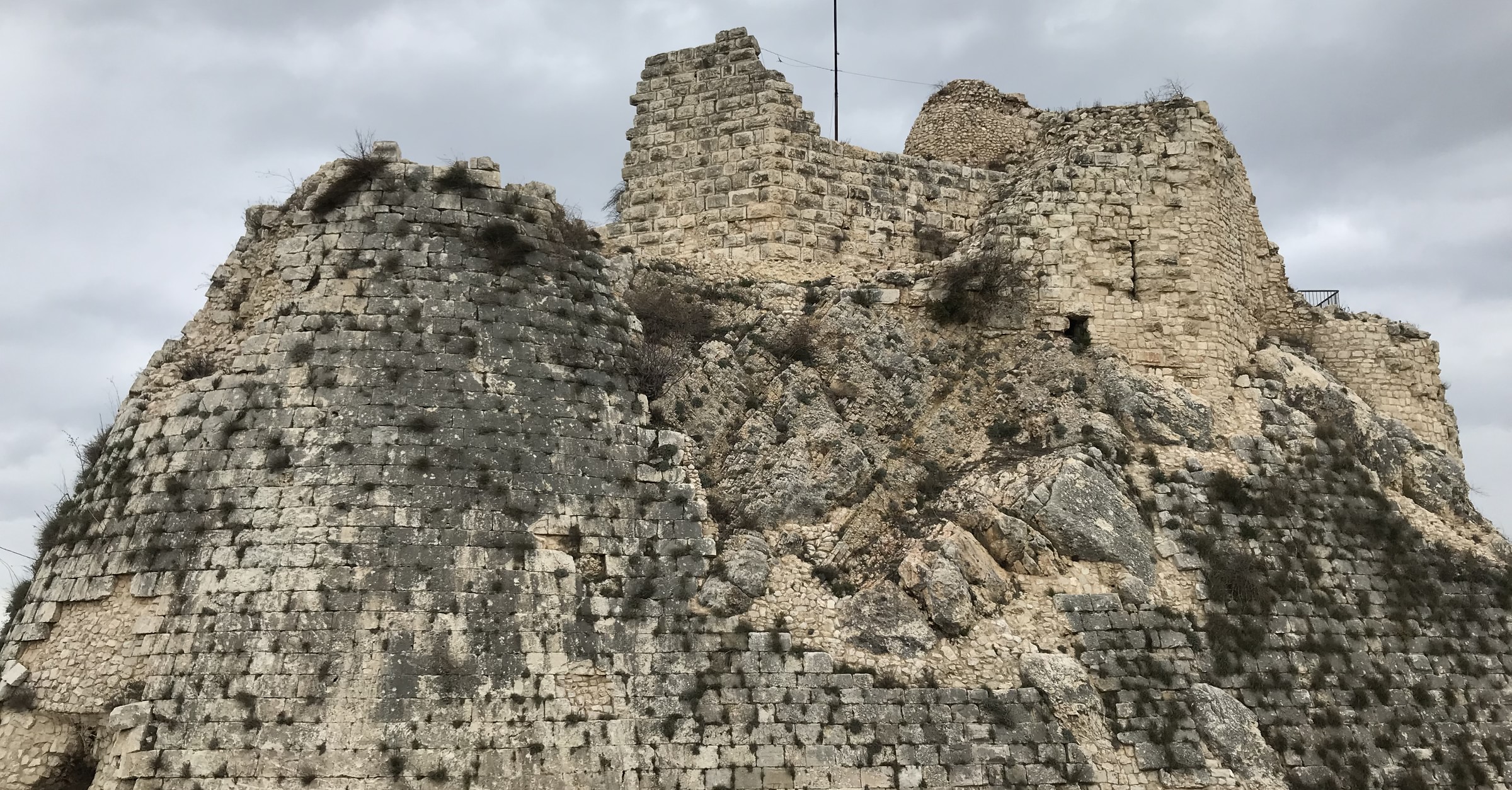
Perched dramatically above the Litani River in the Arnoun hills of southern Lebanon, Beaufort Castle (Qalaat al-Shaqif) rises like a stone sentinel over a landscape shaped by centuries of history. From its commanding vantage point, the castle surveys valleys, villages and distant horizons, offering one of the most striking panoramas in the country. More than a fortress, Beaufort is a living chronicle — a place where empires passed, cultures overlapped and the passage of time remains carved into stone.
A Fortress Shaped by Centuries
The origins of Beaufort Castle date back to the Crusader period, when its strategic position first revealed its military significance. In 1139, Fulk, King of Jerusalem, captured the site and granted it to the lords of Sidon, who began constructing the fortress that would come to define the hilltop.
Its story, however, is far from singular. In 1187, following the Battle of Hattin, the stronghold fell to Saladin’s forces, marking one of many turning points in its layered history. Over the centuries, control of the castle shifted between Crusader, Ayyubid and Mamluk rulers, each leaving traces in its structure and legacy.
By the 17th century, the fortress became part of Fakhr al-Din II’s network of strongholds, later passing under Ottoman control, and continuing to serve strategic roles well into the modern era. Each chapter added to its complexity, making Beaufort not a static ruin, but a palimpsest of regional history.
Architecture Carved from Stone and Strategy
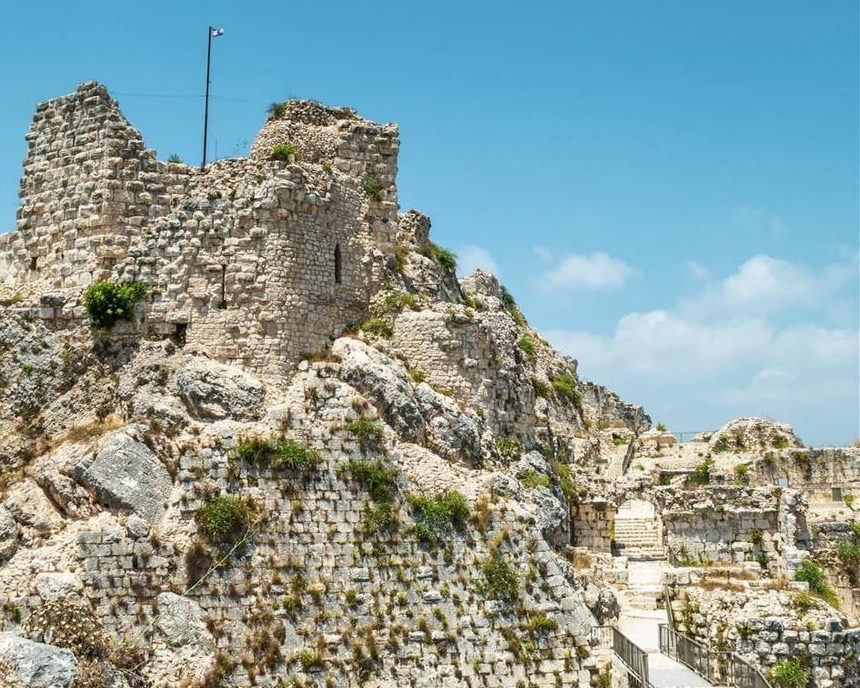
What remains today reveals the logic of medieval military architecture adapted to a dramatic natural setting. Built directly into the limestone ridge, the castle unfolds across multiple levels, blending constructed walls with the raw geology of the mountain itself.
Lower sections once served as storage and defensive infrastructure, while upper levels housed watchtowers and fortified chambers designed for surveillance across the valley. Narrow slits in the stone walls speak to its original defensive purpose, offering glimpses of how soldiers once monitored movement across the landscape below.
Unlike many European fortresses, Beaufort reflects a distinct regional architectural language, including a ground-level entrance system adapted to local terrain and defense needs. Despite centuries of damage from invasions and earthquakes, its structure still conveys remarkable strength and clarity of design.
A View That Stretches Across Borders
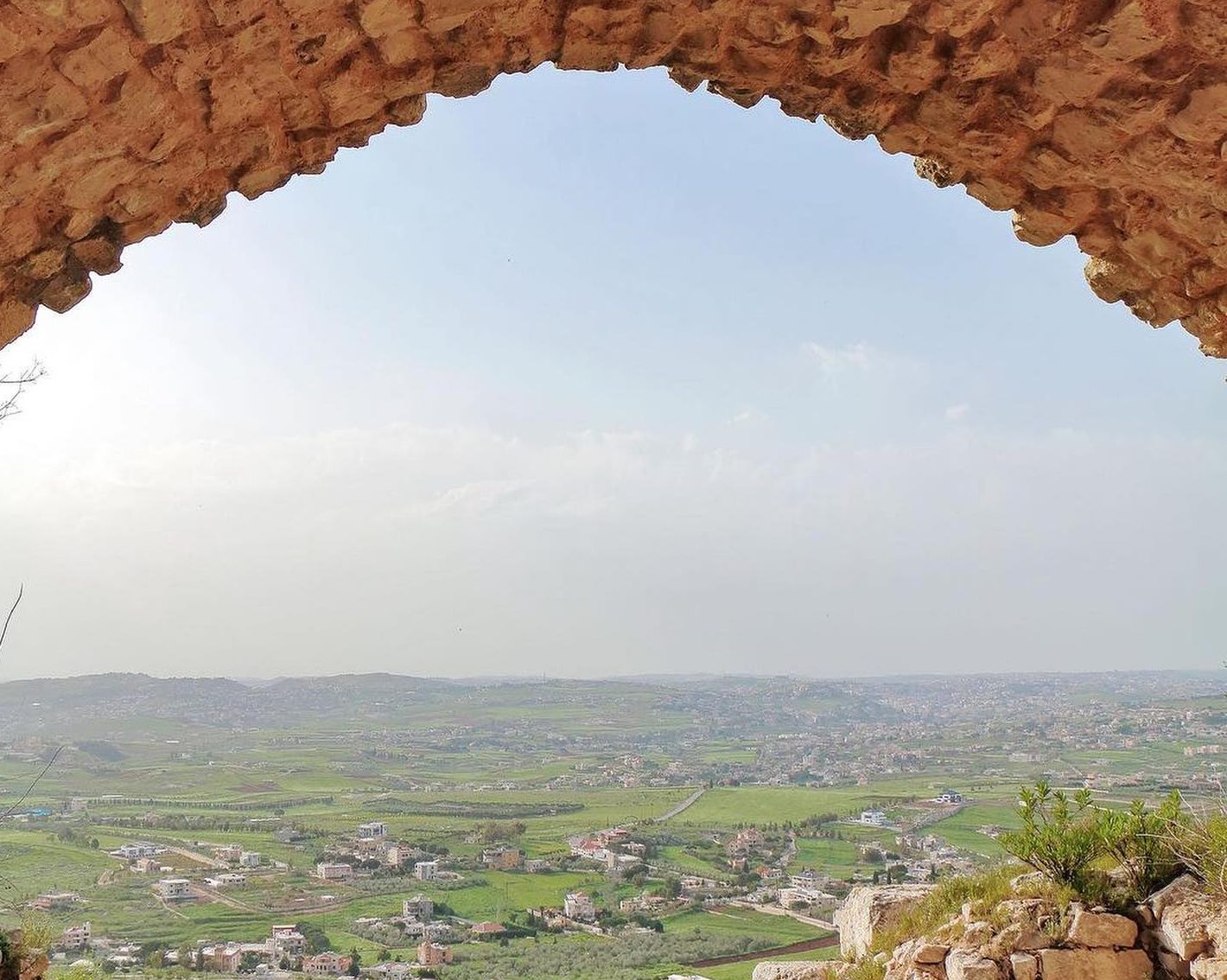
From its highest points, Beaufort opens onto one of the most extraordinary views in Lebanon. The Litani River curves beneath the castle’s cliffs, while rolling hills extend toward Mount Hermon and the southern plains.
On clear days, the landscape feels almost boundless — a rare convergence of geography that has long defined the site’s symbolic power. It is this perspective, suspended between earth and horizon, that has made Beaufort not only a military asset through history, but also a place of reflection and imagination.
Heritage and Recognition
Beaufort Castle is recognized as one of Lebanon’s most significant medieval fortresses and is currently included on UNESCO’s Tentative List as part of the Castles of Mount Amel nomination. This designation highlights its importance within a broader network of southern Lebanese castles that collectively reflect the region’s layered historical and architectural heritage.
Together, they represent centuries of cultural exchange, where fortification, settlement and landscape shaped one another in enduring ways.
If you enjoyed reading this check out our article on virtual tours of Lebanese museums and archeological sites.
Loading