


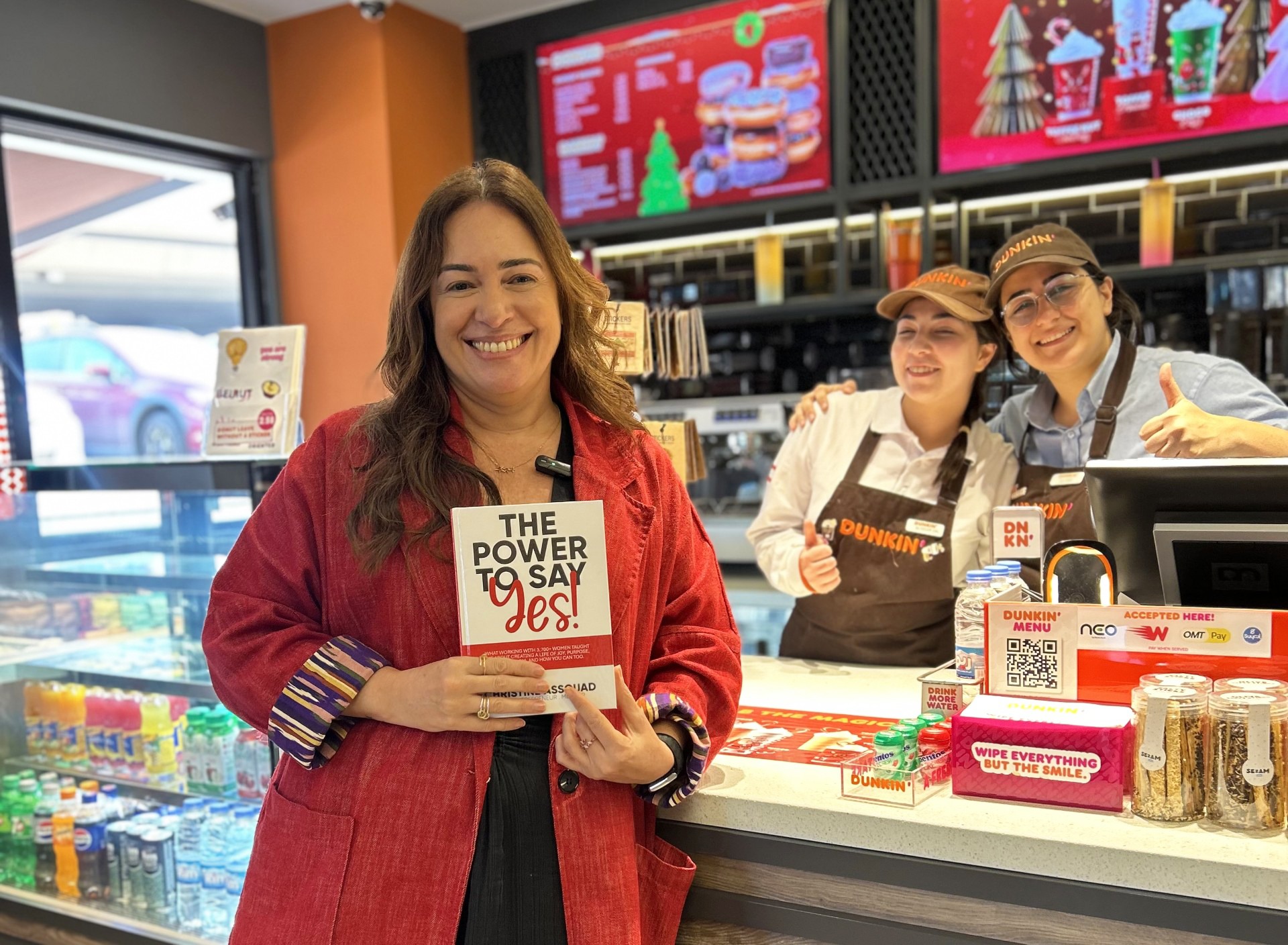
Christine Assouad is a pioneering entrepreneur who brought Dunkin’ to Lebanon nearly three decades ago. Today, she is an investor, mentor, author and the only female shark on Shark Tank Lebanon. From building one of the country’s most recognizable brands to empowering women and entrepreneurs across the region, Assouad’s journey is defined by courage, purpose and an unwavering belief in growth. In this conversation, she reflects on the experiences that shaped her and the mindset that continues to guide her forward.
What led you to where you are today?
When I’m asked to define myself, I always say I’m a Lebanese girl who loves life. I was blessed to be born into a supportive and loving family. We’re four siblings and growing up with that emotional safety gave me strength. Knowing that someone always has your back — and that you have theirs — changes everything.
Entrepreneurship came naturally to me. I love creating brands, growing them and building teams. What I’m most proud of isn’t just the businesses themselves but the cultures we’ve built within them. Today, beyond food and beverage, my focus is on empowering women and supporting entrepreneurs, and I truly love every minute of it.
How did the Dunkin’ journey unfold?
I was doing my master’s degree at McGill University in food science but spending more time in coffee shops than at school. That’s where the idea began.
It was 1996, and Lebanon was just coming out of the civil war. There was nothing like the coffee shop culture I had experienced in Canada — places where you could meet friends, study and spend time together. Back home, you either stayed at home or went to someone else’s.
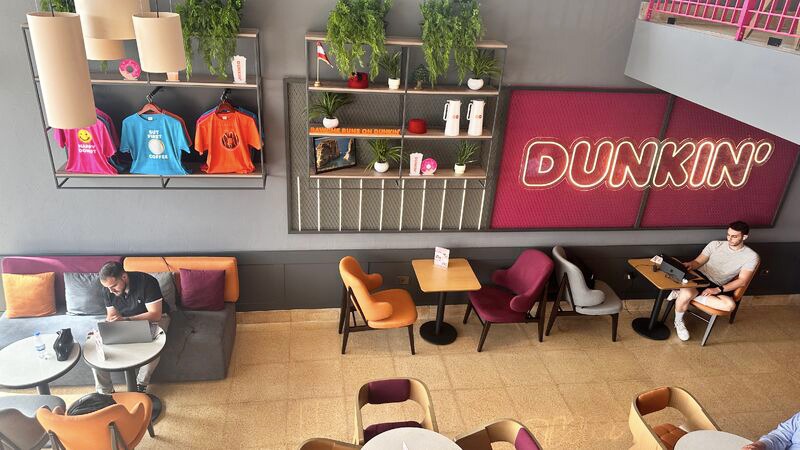
I loved Dunkin’ because it had two strong products: coffee and donuts. I knew that even if the coffee culture didn’t immediately take off, the donuts would. Lebanese people have a sweet tooth. Timing played a huge role too. Dunkin’ was expanding in the region and despite being only 22, I had a master’s degree specialized in bakery. They wanted stability and allowed me to run the business long term. The rest is history.
Were you ever afraid of failure?
I realized over time that my tolerance for fear and risk is much higher than average. That comes from my early exposure to adventure. From a young age, I was involved in adrenaline sports. I’ve skydived 389 times, did acrobatic flying and became the first Arab woman to reach the North Pole. I was also a scout — camping, hiking and leading groups from a very young age.
I always tell entrepreneurs I mentor: if you want to take a big risk in business, push your comfort zone somewhere else in life. Your brain is wired for survival — it shows you danger everywhere. But the more you expand your comfort zone, the quieter fear becomes.
What are the most important lessons entrepreneurship has taught you?
First, have a purpose bigger than yourself. With Dunkin’, our purpose was spreading happiness. We wanted people to leave happier than when they walked in — through the service, the colors, the music and the experience. When your purpose is bigger than profit, the ups and downs become easier to navigate.
Second, take risks and fail fast. Try things. If they work, great. If not, learn and move on. Fear should never limit curiosity.
Third, the team. I wouldn’t be where I am today without an outstanding team. Culture is everything. It’s the most important asset in any business.
You’ve lived abroad for many years. How important is Lebanon to you?
Lebanon is home — but it’s a very challenging one. I’ve lived in Montreal, New York and now Dubai, where I’ve been based for the past five years. Being in Dubai gave me perspective and creative bandwidth. In Lebanon, so much energy goes into survival that creativity often disappears. Dubai allows me to think strategically and add value to my businesses back home.
I sit on boards across regions and sectors, have invested in more than a dozen companies, mentored over 500 entrepreneurs and worked with more than 3,000 women. Every new perspective changes how you see the world. We may look at the same cup — but we don’t see the same thing.
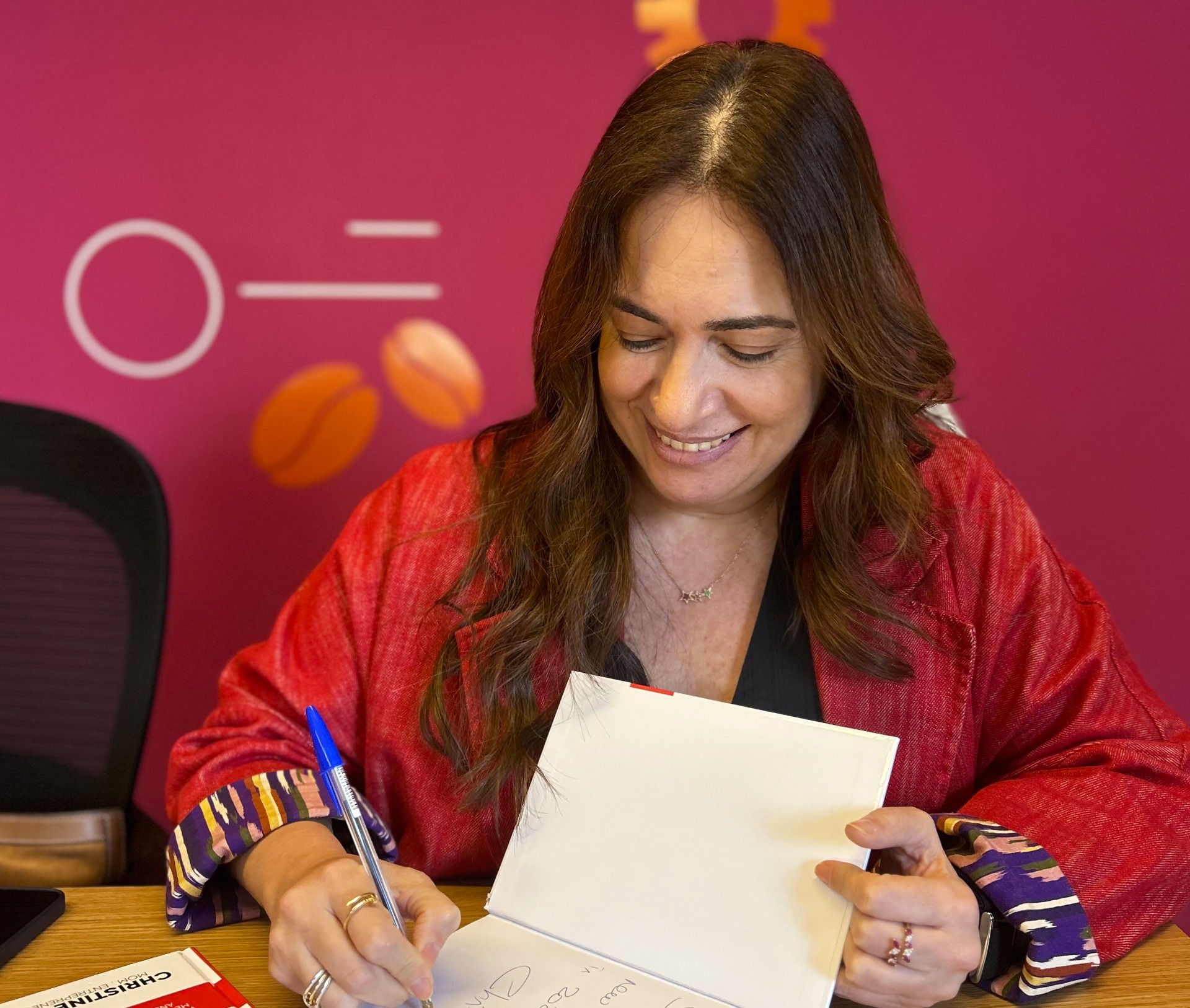
Your book, “The Power to Say Yes,” has resonated with many women. What message did you want to convey?
I first wrote the book for my daughters. They’re 20 and 21. Like most kids, they don’t always want to listen to their mom. So I put everything I wanted to tell them into a book.
I also wrote it for the thousands of women I’ve mentored. I kept seeing the same patterns — guilt, self-doubt and imposter syndrome — things I don’t see as often when mentoring men. I wanted to address every taboo, offer tools that worked for me and help women build a happy, meaningful life on their own terms.
It’s not just a book. It’s a guide and a workbook. Transformation happens when you do the work.
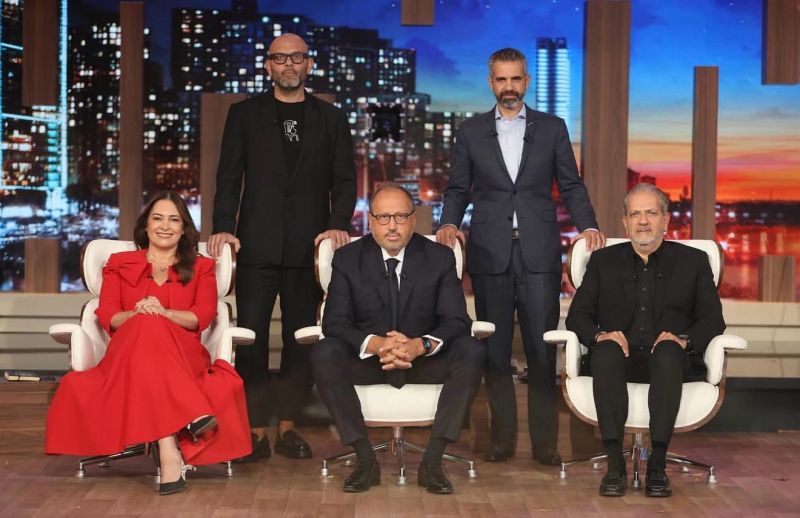
How did Shark Tank enter the picture?
I received a call asking if I’d be interested. I asked two questions: Can it be a fund and not just me personally? And does it have any political affiliation? When both answers were no, I said yes.
I raised a fund so we could support entrepreneurs at scale. Money alone isn’t enough, especially in Lebanon. So we built an ecosystem — incubation programs, mentors, coaches and long-term support. Shark Tank turned out to be much more emotional than I expected. At such early stages, you’re investing in people and stories more than numbers.
Who has shaped you most along the way?
My parents were my first mentors. My father is a risk-taking entrepreneur. My mother is incredibly organized. I like to think I got the best of both. My grandfather was also an entrepreneur.
Throughout my career, I’ve had what I call guardian angels — people who supported me without obligation. But you have to ask, work hard and give back. Networking for me has always been more about giving than taking.
Despite your success, you’re known for being grounded. How do you maintain that?
It’s a choice. I’m here today because of many people around me. Giving back feels natural.
Listening is essential. When you’re present, you learn. Every conversation is an opportunity to grow. When I’m with someone, I’m fully there. That’s something I learned early on as a mother — presence matters more than anything else.
How do you disconnect and recharge?
I don’t feel the need to disconnect often because I truly love what I do. I’m at a point in my life where I only do things I enjoy. Travel is how I recalibrate. Walking the streets of a new city, sitting in different coffee shops and being in a different time zone opens creativity. This year I’m spending three weeks in Costa Rica. A new culture and a new rhythm is where my best ideas come from.
What’s next?
Expanding “The Power to Say Yes” through workshops, retreats and community. I’m also working on my second book, “The Power to Say Yes in Business,” followed by “The Power to Say Yes to Money.”
I’ll continue supporting entrepreneurs through Shark Tank, empowering women and growing Dunkin’ — which now has 50 locations in Lebanon with plans to reach 100. More than anything, I want everything I do to be transformative. This is my way of saying yes to the life I choose.
If you enjoyed reading this, check out our interview with Lebanese entrepreneur Samir Saliba.