




With a voice that reportedly outgrew him, Lebanese singer and composer Nicolas El Osta has spent decades turning words into anthems and places into feelings. From his early days performing at Zahle’s first festival at the age of nine, to composing over 150 songs that weave together folklore, patriotism and personal identity, El Osta is a rare breed — an artist who writes, composes, arranges and produces, all while remaining fiercely, unapologetically Lebanese. We sat down with him to talk about his roots, his craft and the city that he calls home.
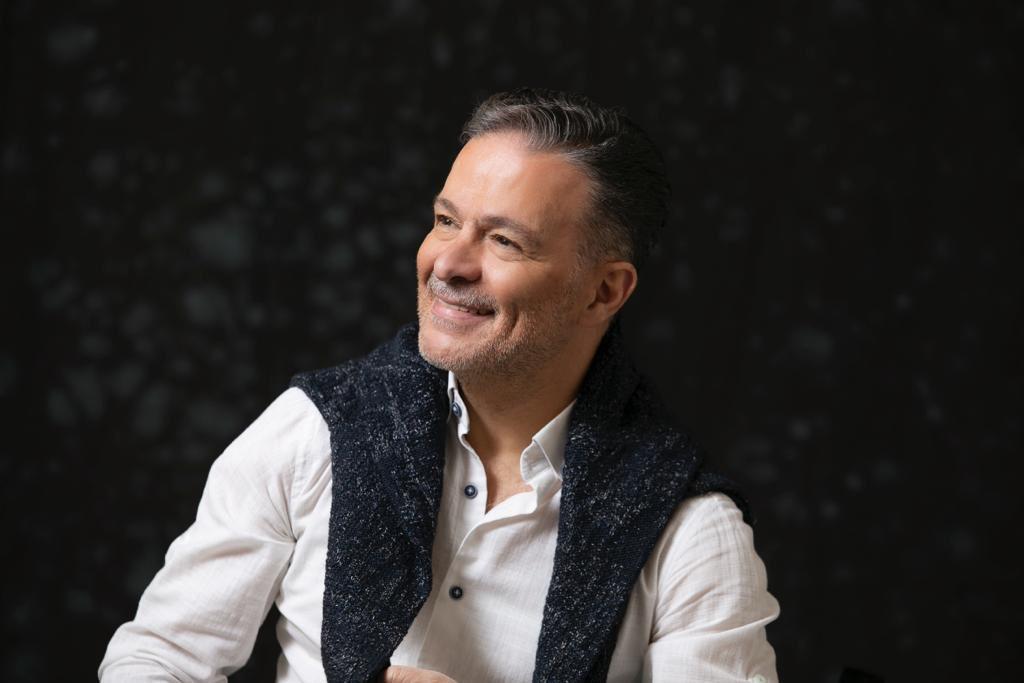
You didn’t come from a musical family, so how did it all begin for you?
It is true that my family were not particularly musical, but my mother and father both had beautiful voices, and somehow mine arrived even bigger than I was. As a child, I would sing Wadih Al Safi and Fairuz — a difficult repertoire for anyone, let alone a boy. My first real performance was at a festival in Zahle, and something about it felt special. I was only nine years old at the time.
I later studied music at school, and when it came time for university, I enrolled in biology — there was simply no music conservatory in the Bekaa back then. But as my talent grew harder to ignore, I discovered a musicology program at USEK. I never looked back. I began in 1987 and graduated in 1991 with a master’s degree in music. That same period brought the famous “Studio El Fan” TV show, where I was the first to perform with distinction.
My first instrument has always been my voice. After that comes the oud, and I handle all my own arrangements as well. I have a studio where I work on production, and I write too — sometimes the words are mine, sometimes they come from others. Over the course of my career, I have released somewhere between 150 and 200 songs, almost all of them in Arabic. Lebanese Arabic is my home dialect and always will be, though I have recorded a handful of songs in the Egyptian dialect and a few in what you might call a Badawi style. But Lebanese is where my heart is. I wouldn’t have it any other way. I have an identity in my voice — and that is how it all started.
What were some of the defining moments and challenges along the way?
In every phase of my career, there were challenges — even with my family at first. They’d say: “Study something else. You have to earn a living.” I understood that, but my special talent kept pulling me toward art. “Studio El Fan” was a very important milestone — I was spotlighted there directly. There was also a beautiful moment in Qatar, when former Lebanese president Elias Hrawi was asked what he liked to listen to. He mentioned my name and a song I had recorded. I performed many concerts, traveled to Egypt, Syria and Jordan through the Ministry of Tourism. Every life has its defining moments. Mine have all been challenges, and I’m proud of each one.
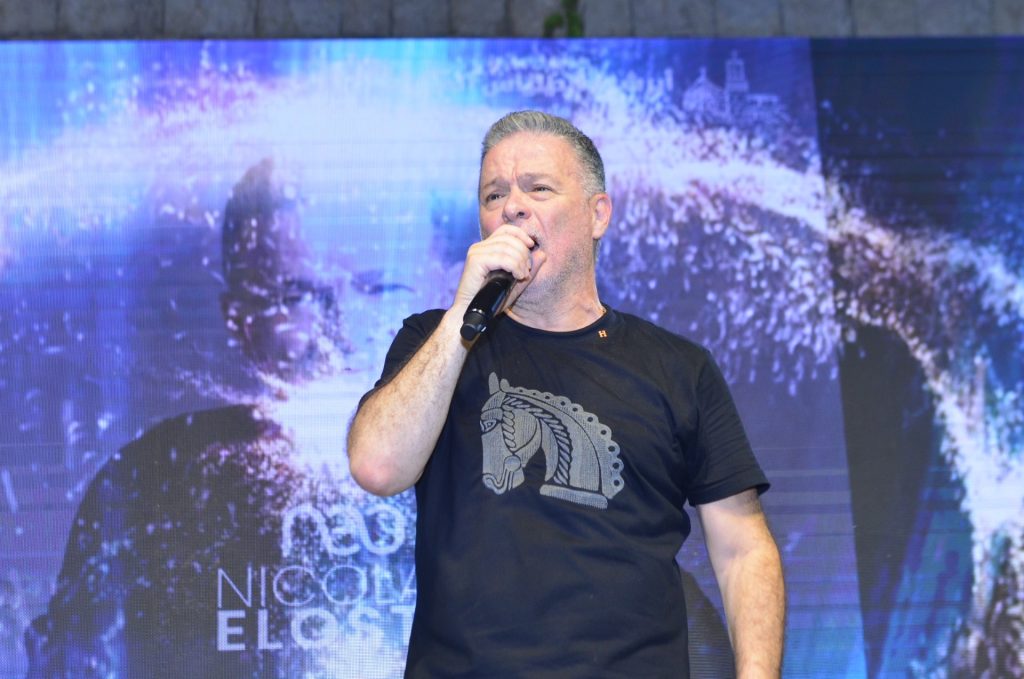
Zahle clearly holds a very special place in your heart. What does it mean to you?
Zahle — I truly love it with everything I have. Together with Tony Shikkiyeh, Joseph Kadi and Nabil Dawood, we created 10 songs dedicated to the city, including “Zahle Ya Dar El Salam” and “Wa 3a Zahle Ma Bifoutou.” I say this with all love and respect for my fellow artists, but I do not believe there is anyone who wears their “Zahlewi” identity with more pride than I do. I once said at an event honoring the great Said Akl that the reason I admire him so deeply is because he is the only person I feel loves Zahle more than I do. Every moment I spend away from this city — the place where I was born, where I was raised, where my family is — feels like time wasted. That is how strongly I feel about Zahle.
If a tourist came to Lebanon and wanted to experience the real Zahle, what would you recommend they see and do?
Zahle is known worldwide. Wherever you mention it, people know the cuisine. So start with the food, of course. Then there is the river — the geography of Zahle is its soul. There are the wineries: Ksara, Kefraya… There is the statue of the Virgin Mary at the entrance to the city, which has a long and moving history. There is the generosity of the people, the resilience — how many wars Zahle has been through, how many times people tried to break its will and never could. Zahle fills your time in a truly beautiful and meaningful way.
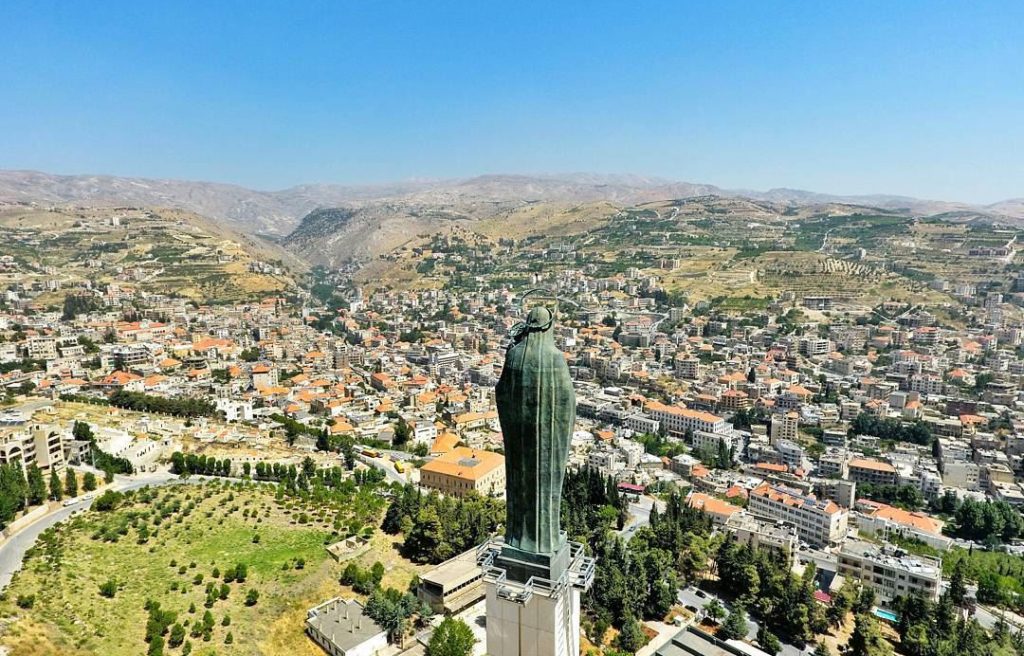
Photo: Michel Khoury
You sing about Lebanon with great emotion. How do you feel when you perform songs about your country — and is there one that is particularly symbolic for you?
We were born in a country that never truly saw peace. And yet, the Lebanese people’s insistence on life — on the positivity of life — is what has kept this country going. If you compare Lebanon to any other geographical area that has been through so many wars, you would not expect to see a country this alive. I am proud. But it is also a challenge. We may be weaker than others in terms of resources — especially in the times we are living through — but in patriotism, in resilience, in our love for life and this country, I believe we are among the strongest people on earth. Our roots run deep.
As for a special song — when I was at Studio El Fan, one of the jury members was the late Zaki Nassif. He had a song called “Rajee Yetaamar Lebnan.” Every time I perform it, it captures the entire Lebanese spirit — the folklore, the emotion, the challenge all at once. I also wrote a song called “Oulouloun,” which tells the world: our country belongs to us alone, no matter what. When I sing, I sing from the heart, and people can feel that.
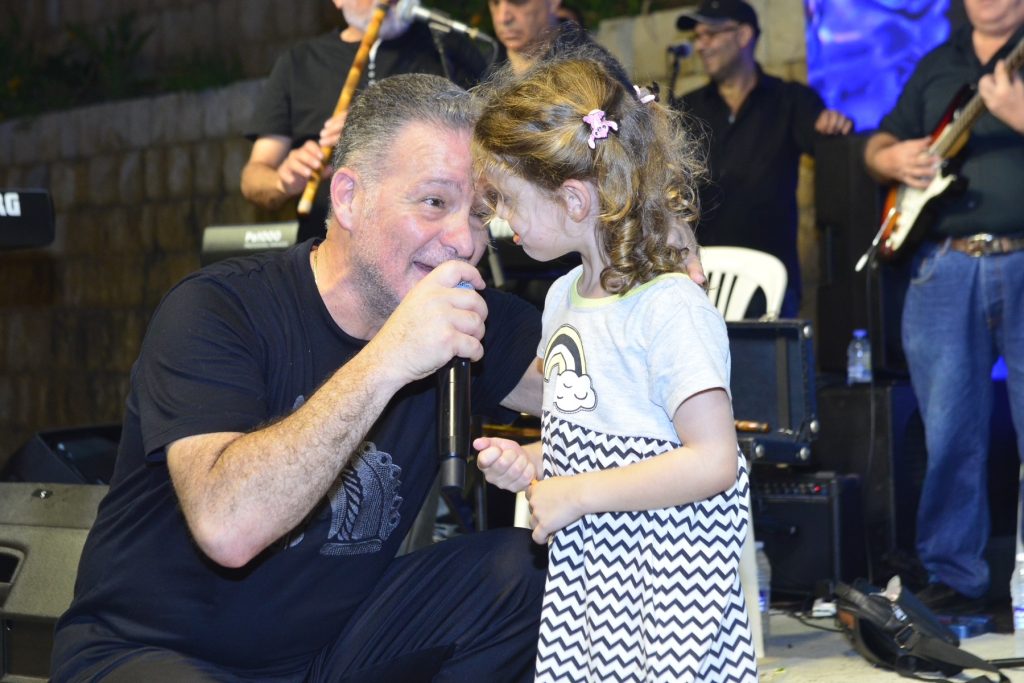
Has anyone been a guiding figure or mentor for you throughout your journey?
I have my own way of thinking — my own approach to choosing a song, choosing a word, deciding how I want to sing it. I don’t like to enter words that have no meaning. There are famous artists who use certain words or styles that I feel compromise their dignity in the long run. Everyone is responsible for themselves. I don’t look at others and think: “He did this, so I should do the same.” I have an identity and I want to stay true to it — even if that sometimes goes against commercial logic. What I will say is this: Thank God, I would not have continued if no one believed in me. I have many people who love and follow me, before social media even existed. In art, you have to believe in a person. Some people have a beautiful voice but you don’t believe them. Some have a less beautiful voice, but you believe every word. It’s not a simple equation. And the fact that I am still here means that people believe in me.
Where do you disconnect from it all?
Zahle. That’s all. I go home, to my family home and my own home. I walk in my garden, I tend to the soil — I love the earth. I spend time with my wife, my children, my daughters. My daily life there. If I ever feel that I am running low on energy, I go to Zahle, and that is more than enough.
If you enjoyed reading this, check out our interview with Lebanese singer Marilyne Naaman.
Loading