



Perched on the Mediterranean coast, with majestic mountains rising behind it and palm-lined streets at its feet, the Phoenicia Hotel stands as a symbol of Beirut’s elegance, ambition and enduring spirit. For over six decades, it has witnessed Lebanon’s peaks and troughs: from golden-era glamour to war, disaster and renewal, yet it continues to welcome guests with the same grace and quiet confidence that defined its beginnings.
Phoenicia archives
A Vision Born in Beirut
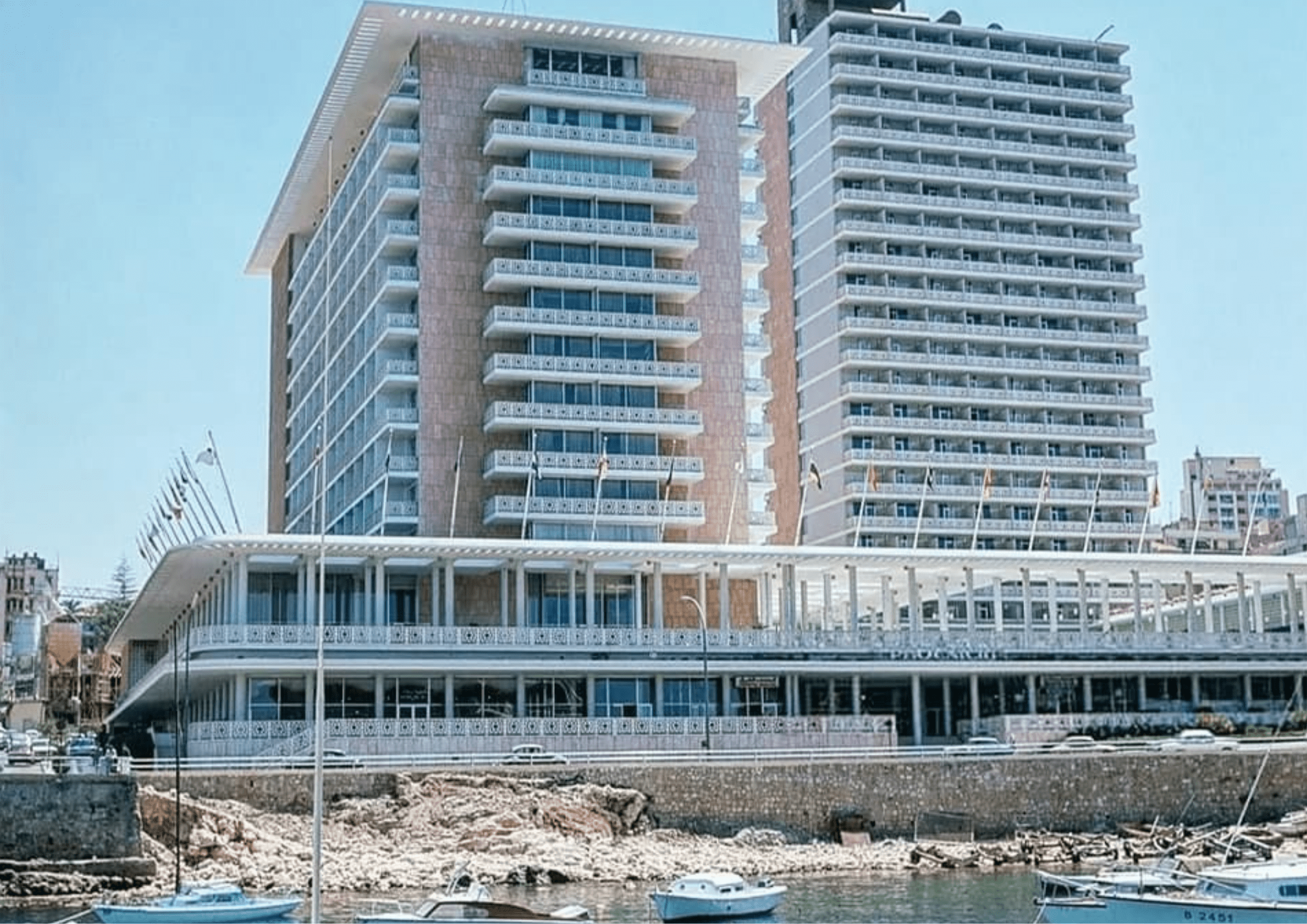
In 1953, Najib Ibrahim Salha, a Lebanese businessman deeply devoted to his country, announced a daring plan: to build a 300-room luxury hotel in the heart of Beirut overlooking the Mediterranean. At the time, Lebanon was flourishing. Its capital, celebrated as the “Paris of the Middle East,” was attracting film stars, dignitaries and elite travellers from around the world. Still, few believed Salha’s ambitious vision could truly materialise. He proved them wrong.
Partnering with renowned American architect Edward Durell Stone, Salha brought to life a property that fused oriental opulence with European grandeur. As the first InterContinental hotel in the Middle East, it marked Beirut’s arrival on the world stage of luxury hospitality. High ceilings, sweeping staircases, majestic pillars and intricate latticework created an atmosphere of theatrical elegance. Every detail was designed to impress without overwhelming — refined, confident, modern.
Phoenicia archives
Phoenicia archives
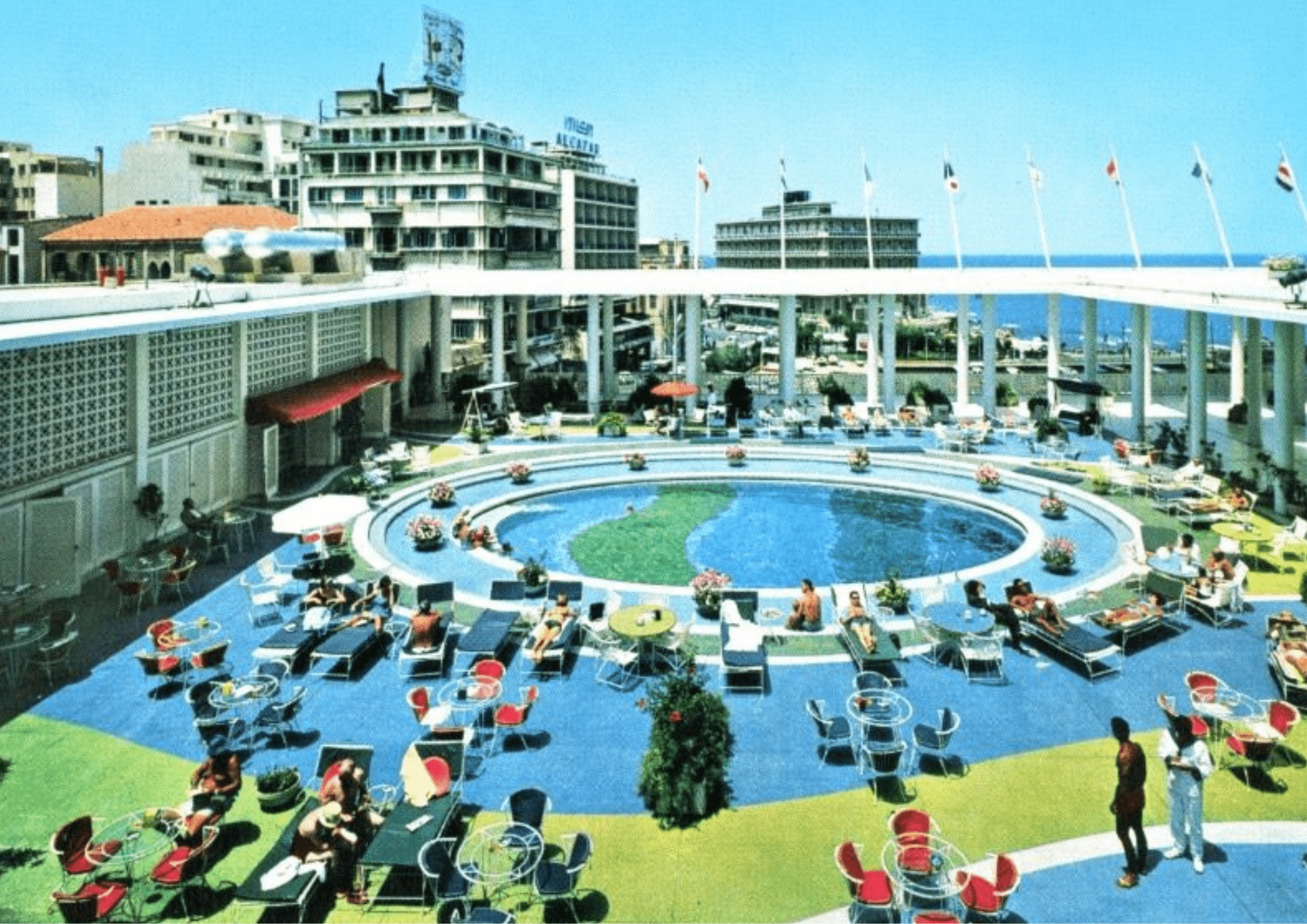
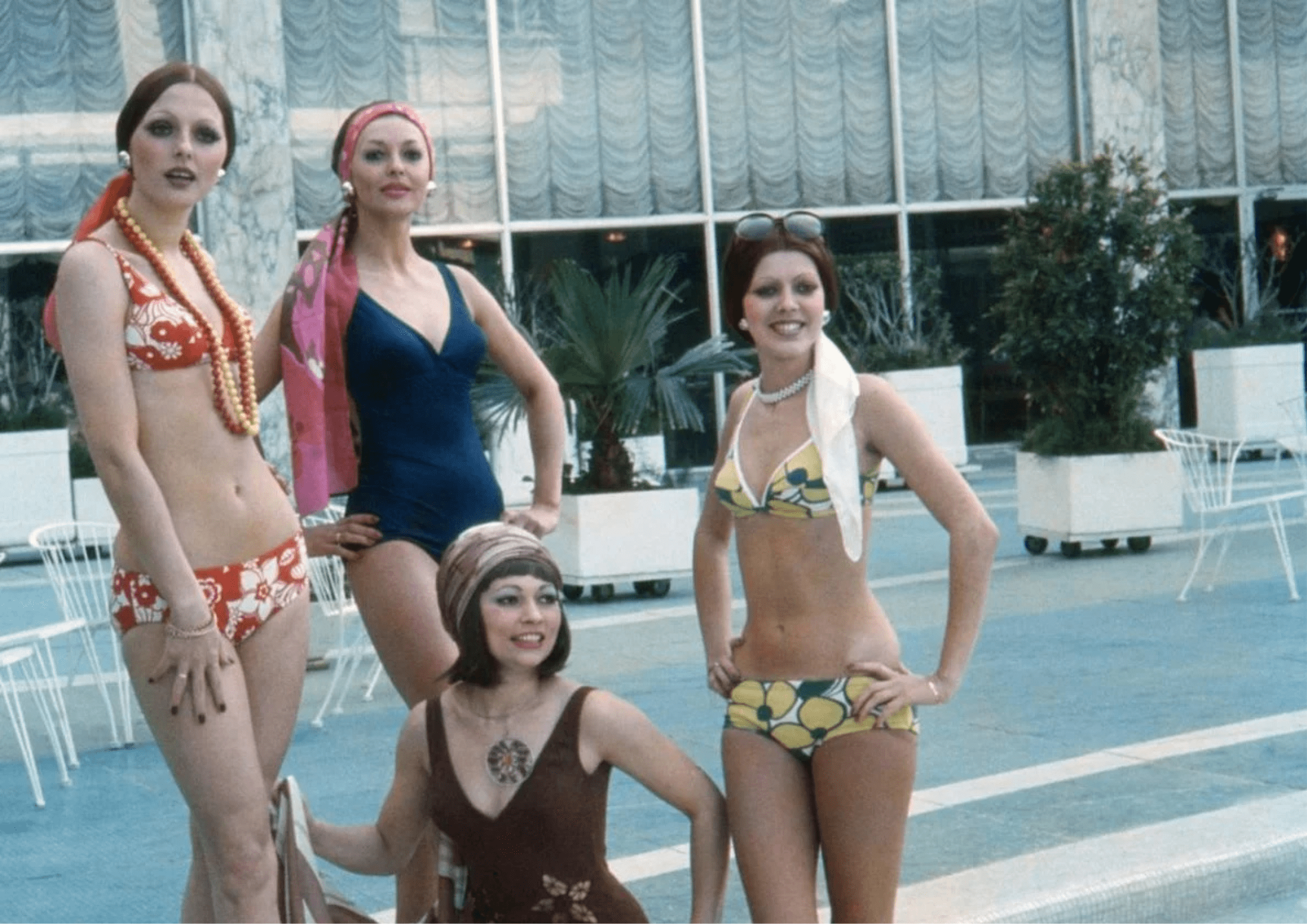
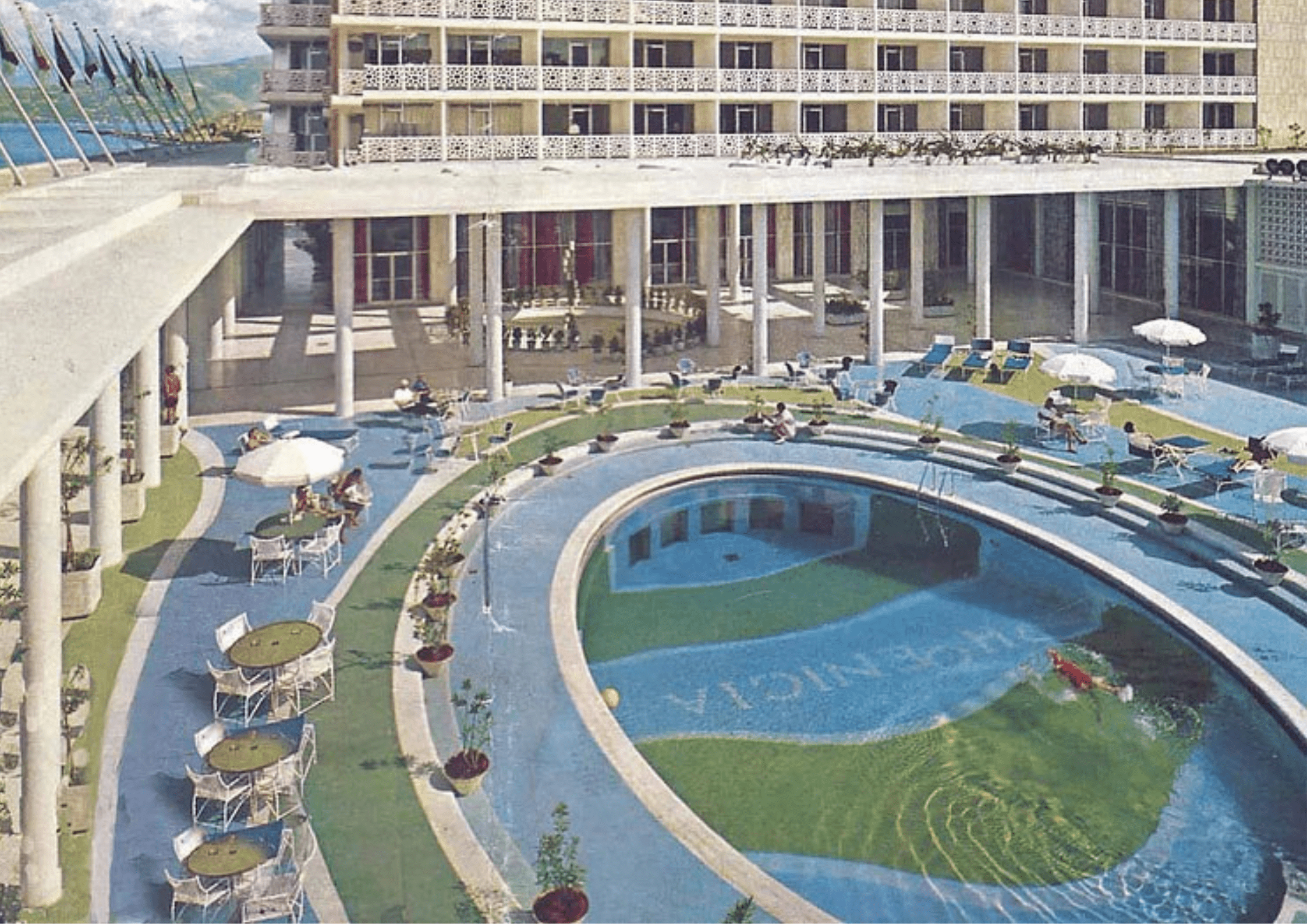
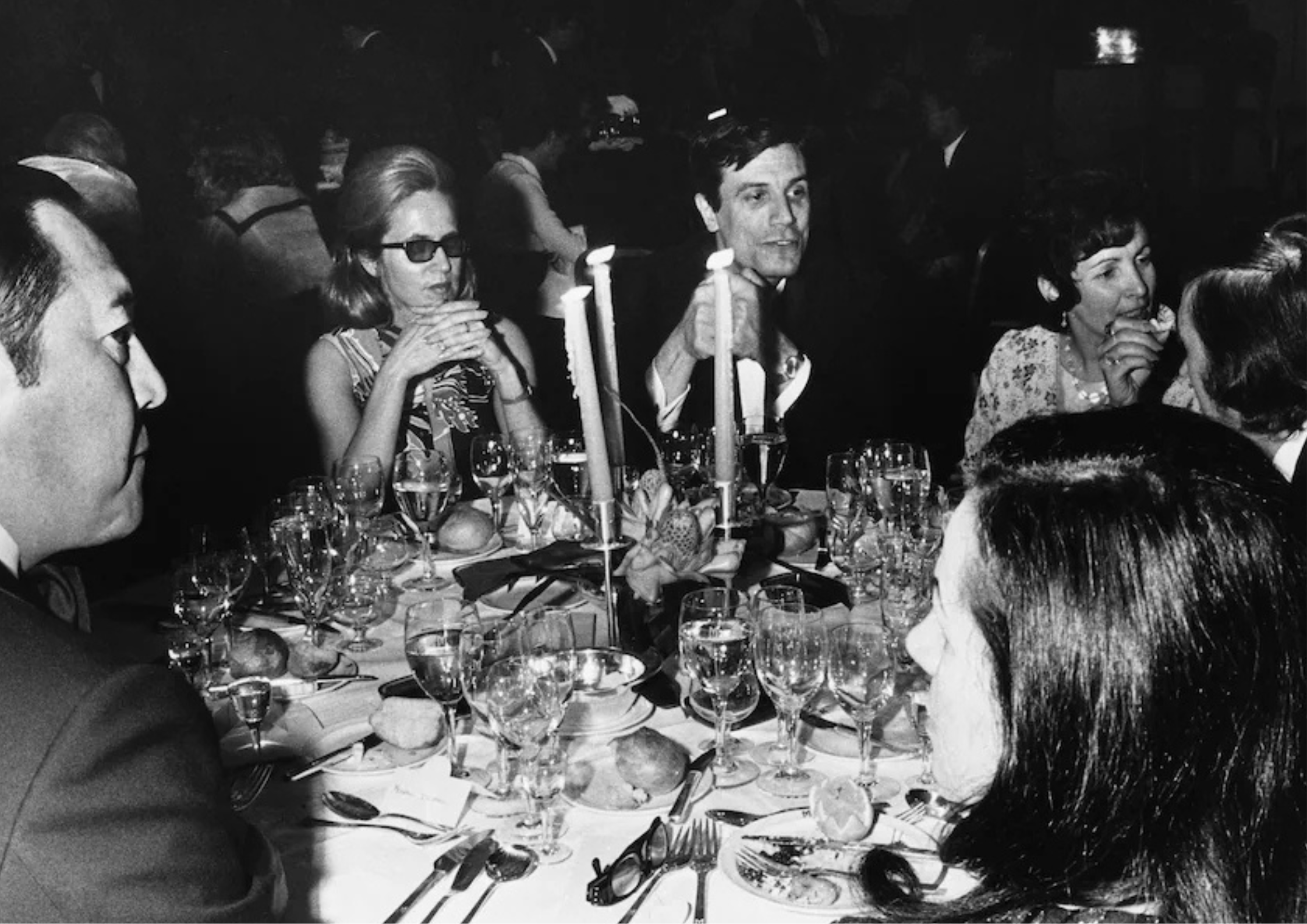
By its official opening in December 1961, the Phoenicia had set a new benchmark for luxury hospitality in Lebanon. It did not simply open; it arrived. Celebrity visitors soon flocked to “La Grande Dame,” including Brigitte Bardot, Catherine Deneuve, Marlon Brando and Jacques Brel. The hotel became synonymous with fashion shows, star-studded parties and high-society weddings, while its avant-garde glass-bottomed pool, rooftop Panache restaurant and lively nightclub Le Paon Rouge became legendary across the city. The Phoenicia was not just a hotel. It was a stage.
Surviving Lebanon’s Turbulent Years
When the Lebanese civil war began in 1975, the Phoenicia entered a prolonged period of silence. Like much of Beirut, it bore the visible marks of a city in conflict. Yet even in its stillness, it remained part of the skyline; a reminder of what had been and what could be again.
Following the passing of Najib Salha in 1980, his sons Mazen and Marwan carried forward their father’s vision. In the late 1990s, they began the careful restoration of the hotel, determined not simply to rebuild a property, but to revive a symbol woven into Beirut’s identity. When the Phoenicia reopened in 2000, its original building and Roman tower welcomed guests once more, reconnecting the city with a cherished part of its identity.
Phoenicia archives
The decades that followed continued to test the city in different ways, and the Phoenicia responded each time with measured resolve. After sustaining significant damage in the Beirut port explosion of August 4, 2020, the hotel once again undertook a meticulous restoration. In October 2022, it reopened its doors — not as an act of defiance, but as a seamless continuation of its story.
Phoenicia archives
The Phoenicia Today
More than sixty years after its debut, the Phoenicia remains what it has always been: enduring, elegant and deeply intertwined with Beirut itself. It does not stand apart from the city’s history — it stands within it.
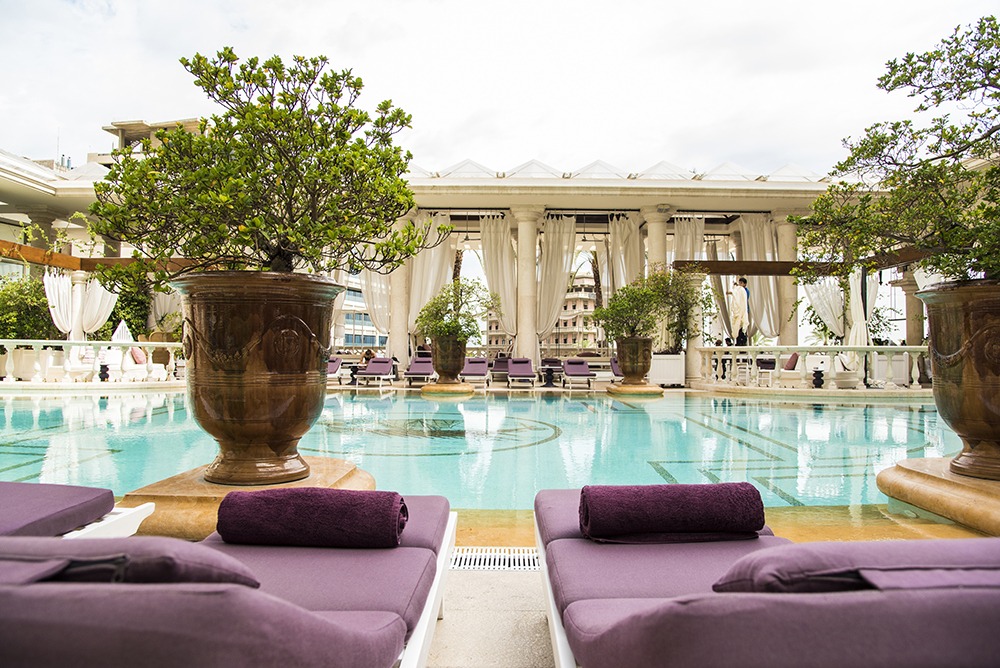
The Amethyst Lounge at Phoenicia Hotel
Walking into the Phoenicia today is stepping into a blend of timeless elegance and modern luxury. The hotel now features refined rooms and suites, each thoughtfully designed to balance comfort with classic Beirut sophistication. Sunlight streams through expansive windows, revealing views of the Mediterranean, the city skyline and the hotel’s iconic mosaic terraces, spaces that have welcomed generations of guests.
Dining at the Phoenicia is an experience in itself. From gourmet Lebanese cuisine that celebrates local flavors to international menus crafted with finesse, each restaurant reflects the hotel’s commitment to quality and hospitality. The hotel has also embraced sustainability and wellness, ensuring that the guest experience is attuned to contemporary expectations while respecting its historic character.
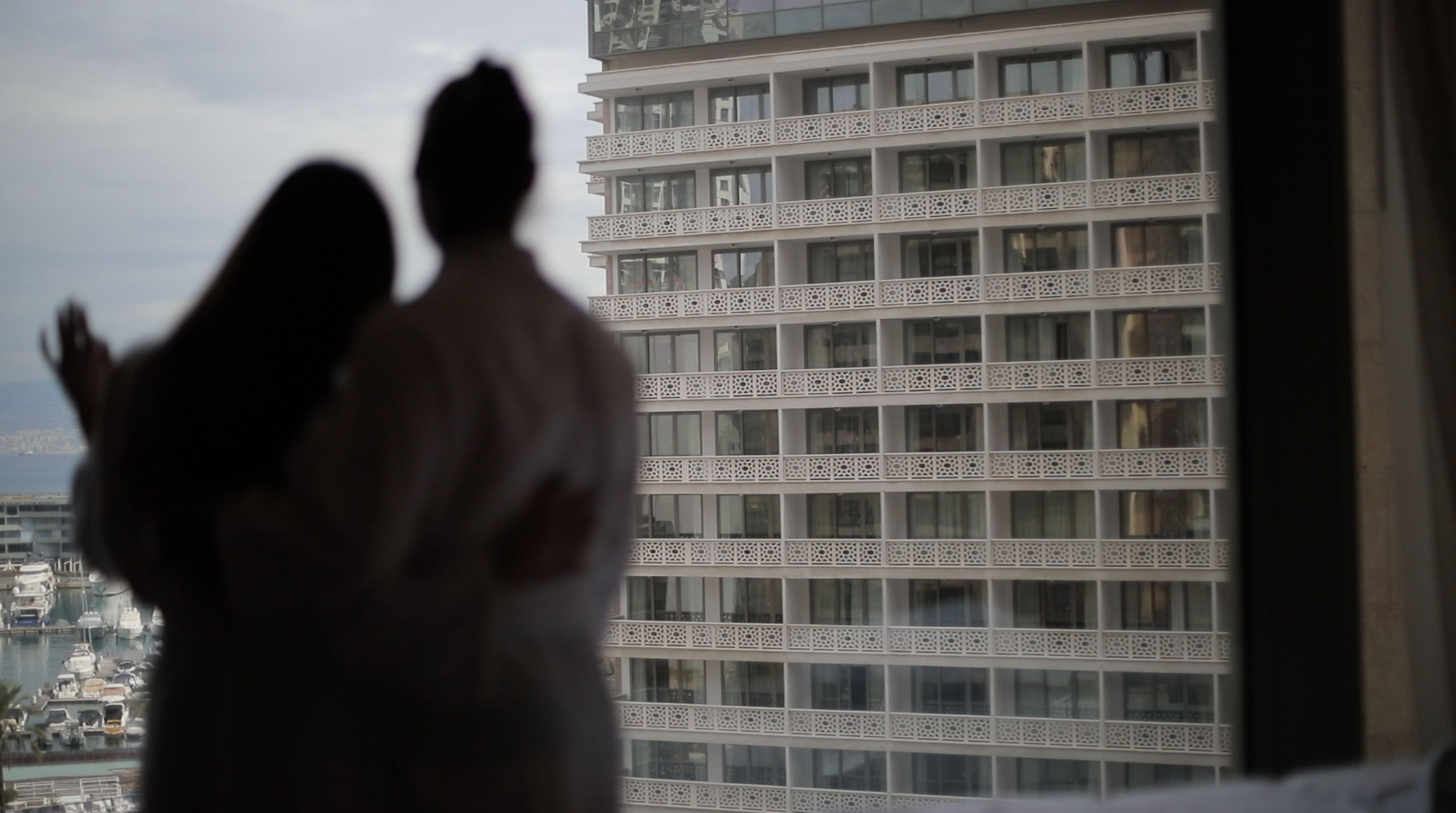 Today, the Phoenicia stands as more than a luxury property. It is a testament to resilience, an emblem of Beirut’s ability to rise, rebuild and welcome the world once again — a living story where history, hospitality and hope converge.
If you enjoyed reading this, check out our article on the renowned Sporting Club Beirut.
Loading