



Founded in 1953 on the coast of Beirut, Sporting Club has operated continuously through war, reconstruction, economic crises and generational change. What began as a small private venture by a Lebanese entrepreneur has grown into one of the city’s longest-running institutions.
Today, the club is owned and managed by the second and third generations of the family. Co-owner Walid Abu Nassar reflects on how it all began, why the club never closed during the war years and what Sporting represents today.
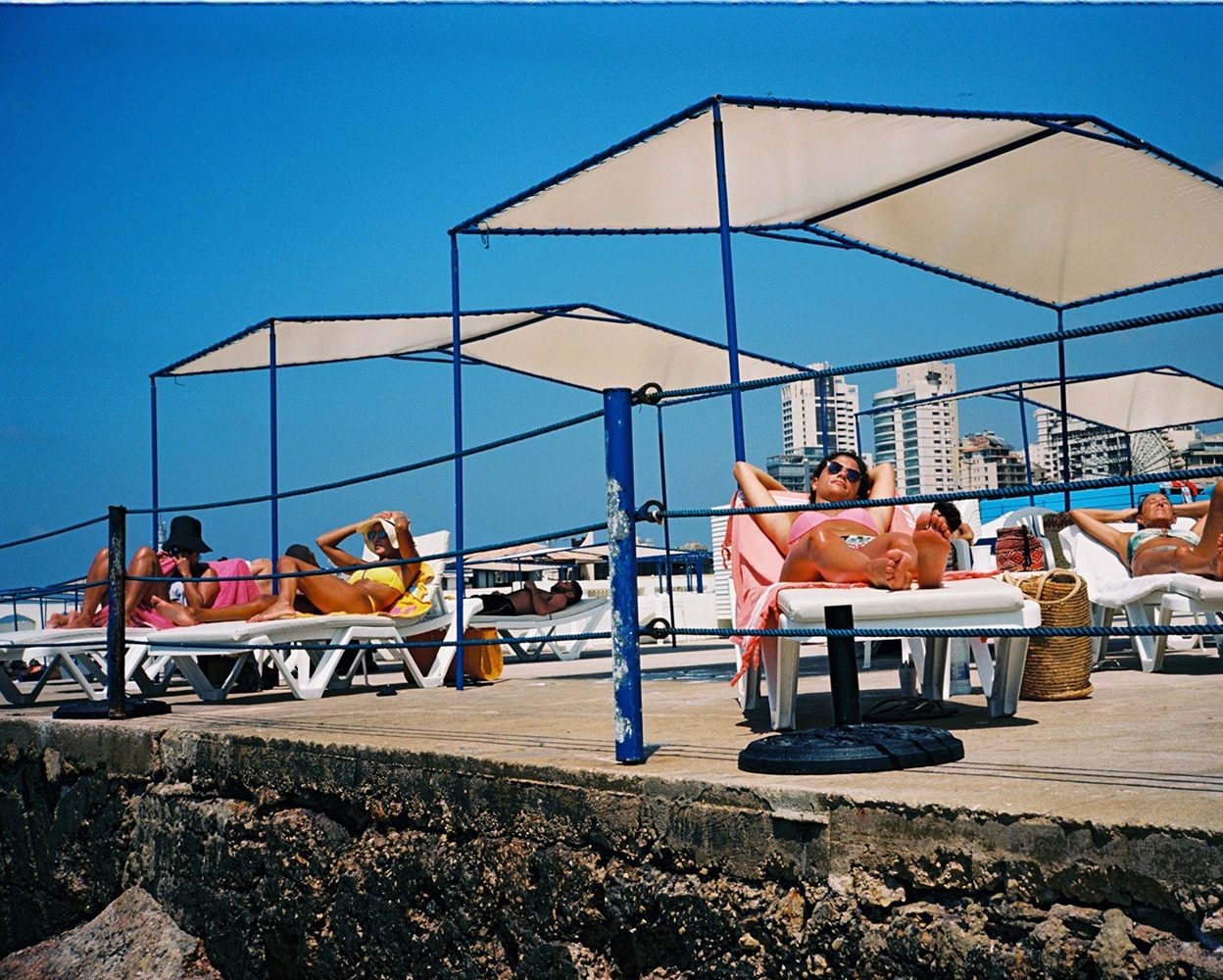
Photos: Cedric Bardawil
You’re the second generation running Sporting. How did it evolve over the years?
My father, George Abu Nassar, had just graduated from the American University of Beirut with a business degree. He wanted to build something that would give him pleasure — something social, something different. In 1953, he and a classmate secured a lease on a plot of land in Ras Beirut. The friend’s father knew President Camille Chamoun, which helped them obtain a license. My father insisted on leasing the entire property, not just a small section.
Shortly after, his partner passed away in a fire, and my father continued the project with his siblings. What you see today began as a simple cement slab by the sea.
He had several businesses. My grandparents owned a clothing factory, and my father studied textile engineering by correspondence in Switzerland. He designed fabrics and later swimsuits that were exported to Nordic countries. He worked nights, and whatever he earned, he reinvested into building Sporting — piece by piece, season after season.
Over time, Sporting expanded beyond the beach. Before Feluka in its current form, my father opened a restaurant called Au Loup De Mer. Later, we rented the space to an Indian restaurateur who opened The Maharaja, introducing Beirut to authentic Indian cuisine at a time when it was still rare. The restaurant became a local curiosity, admired for its rich flavors and vibrant atmosphere, and it taught us a lot about running a modern dining space. When The Maharaja eventually closed, we saw an opportunity to reimagine the space entirely. We rebuilt and relaunched it as Feluka, fully managed in-house, combining the lessons from the Indian restaurant with our own culinary vision. Feluka became a seamless extension of Sporting’s identity — a place where innovation met tradition, and where the social, welcoming spirit of the club continued to flourish.
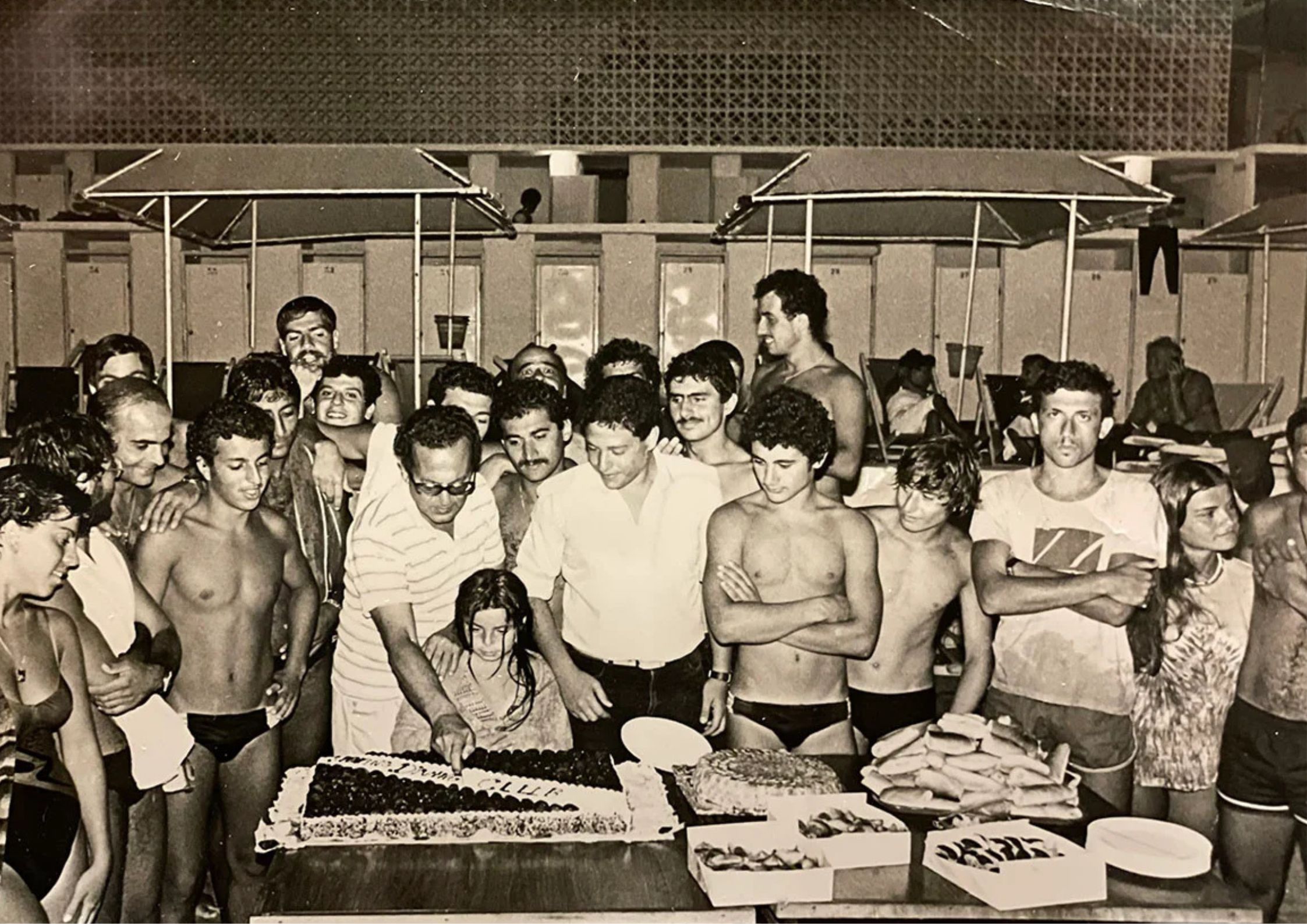
Sporting archives
What was the original concept?
At first, it was meant to be a small private club for him and his friends. He put up a sign that said “Private Beach.” When people asked how to join, he’d tell them they needed to know a member — even though, at the time, there were no members.
He printed membership cards and gave them to friends from AUB and other universities. Each was responsible for who they brought. If he didn’t approve, he’d revoke the card! That’s how the community began — intentionally built, one member at a time.
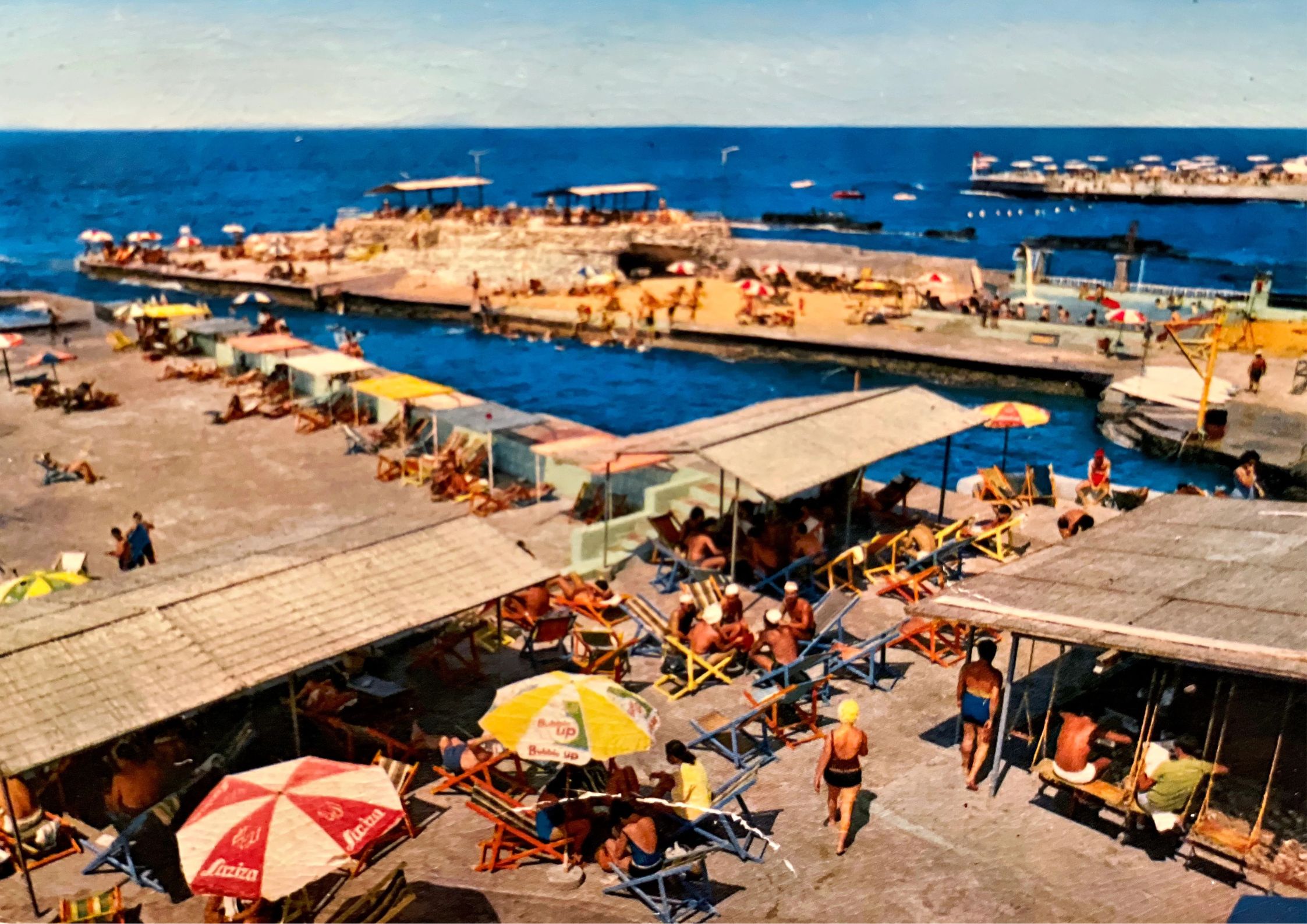
Sporting archives
Sporting never closed during the war. How was that possible?
When the war began in 1975, the club was about 70 percent built. It was my father’s life’s work. He refused to leave Beirut. He sent us — me, my brother and our cousin — to the United States for safety and education, but he stayed.
He came to the club every day. Even during shelling, even during the worst periods. For all intents and purposes, Sporting never closed. Maybe there were days when no one came because of bombardment, but he was always here. He used to say proudly, “I never closed the Sporting Club.” We continue that tradition. We are open 365 days a year.
It is important to mention that beyond the threat of war, storms regularly destroyed our terraces. In the late 1960s, a major storm wiped out almost everything. My father had to start over. Even recently, storms have caused significant damage. We rebuild constantly. It’s part of being by the sea, at the mercy of nature. That’s part of the Sporting story.
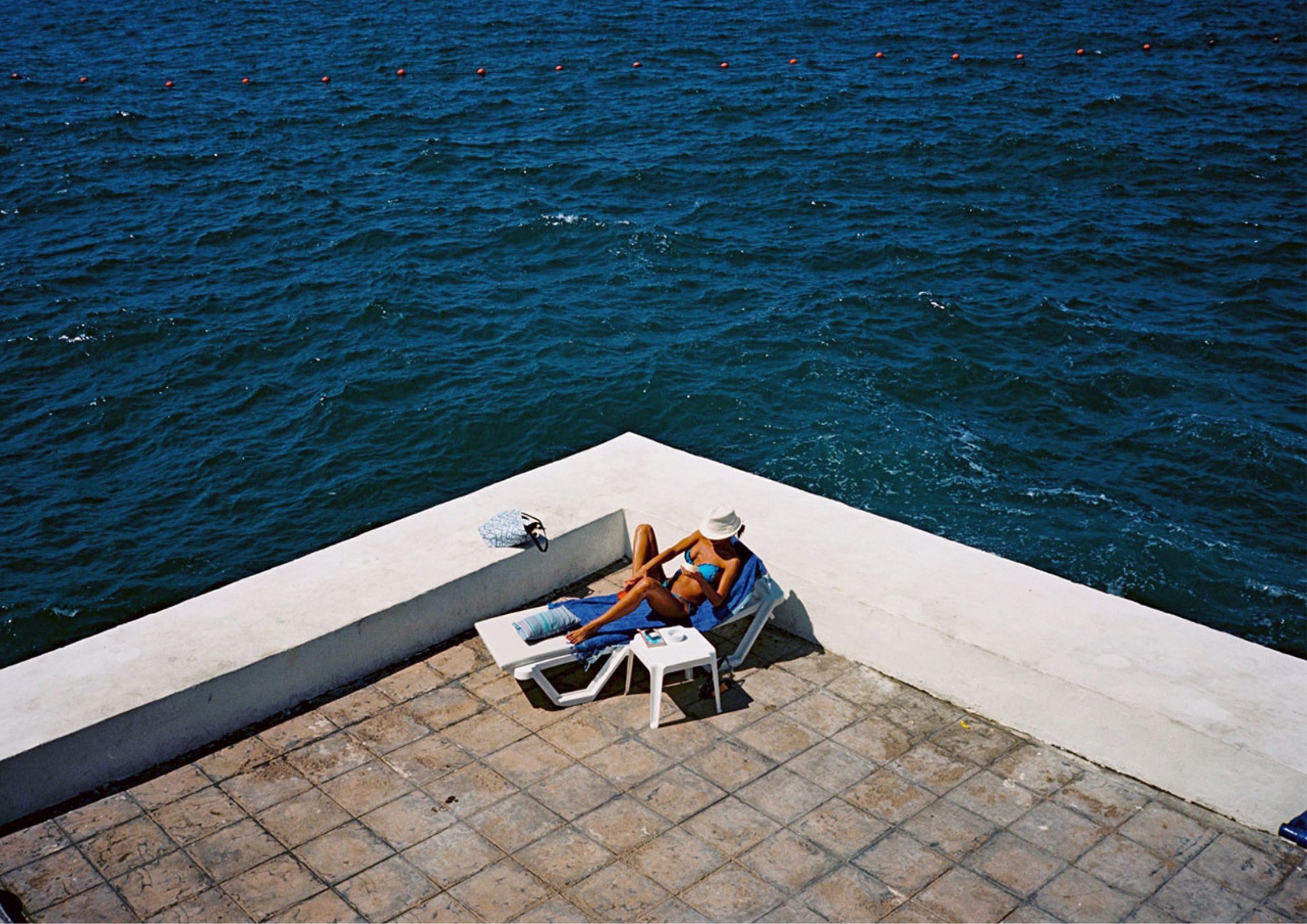
Photo: Cedric Bardawil
How would you describe Sporting’s identity today?
Over the years, Sporting has become more than a beach club; it is a neutral space — detached from politics, religion, sect. People sometimes ask what makes Sporting special. I say: nothing in particular. It’s the aura.
We don’t have VIP areas. We don’t separate people. Everyone is treated the same. Some visitors from abroad expect private cabanas or exclusive sections. That’s not our model. The value of Sporting is in its simplicity.
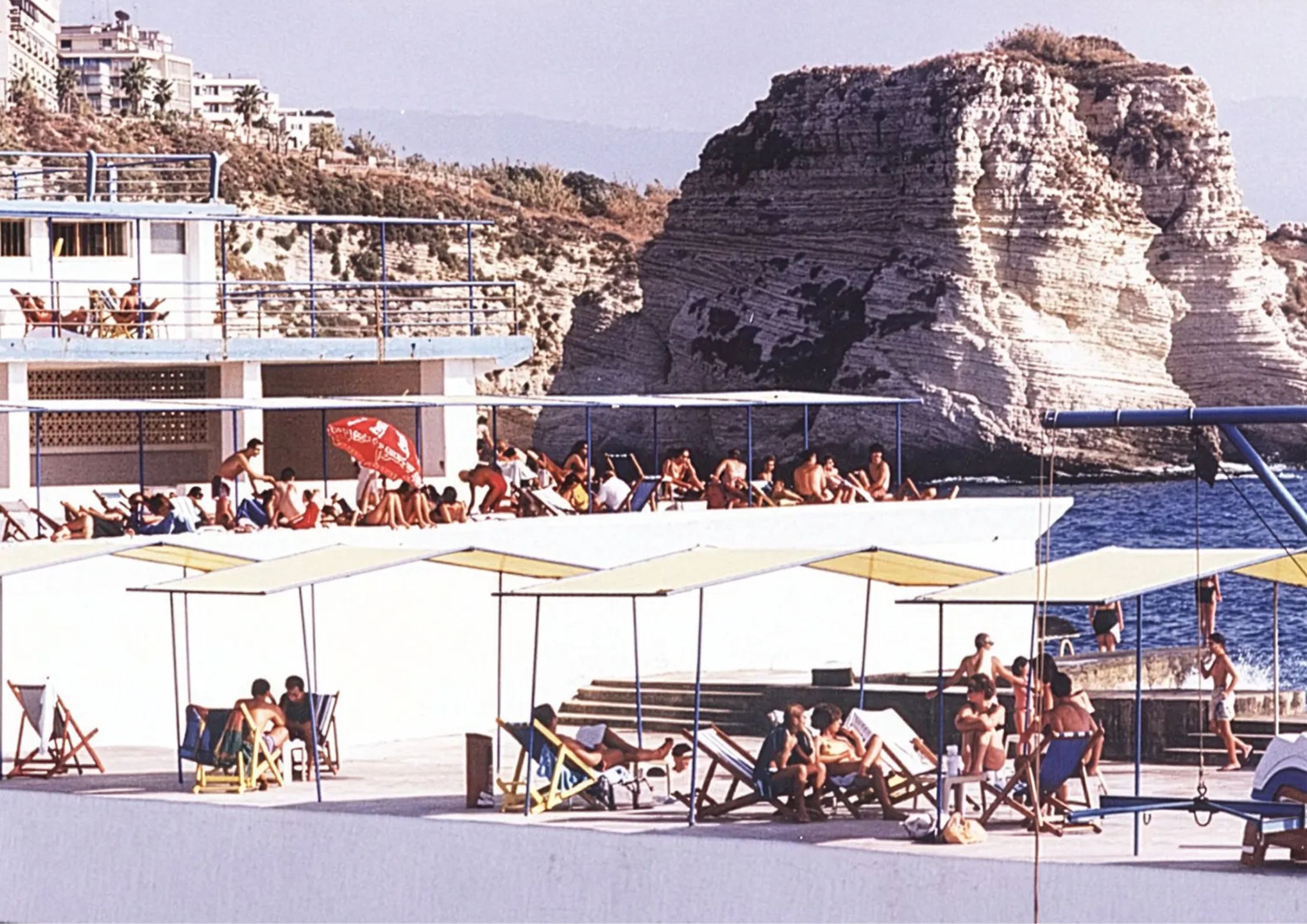
Sporting archives
When did the next generation step in?
Around 2000, my brother Marwan, my cousin Ralph, and I took over operations. We renovated and upgraded facilities while maintaining the original philosophy. Now the third generation — my son Tarek and my nephew Rayan — are involved. They’ve introduced partnerships, events and new concepts like Loft, our indoor and outdoor event space. We evolve but carefully. The core identity doesn’t change.
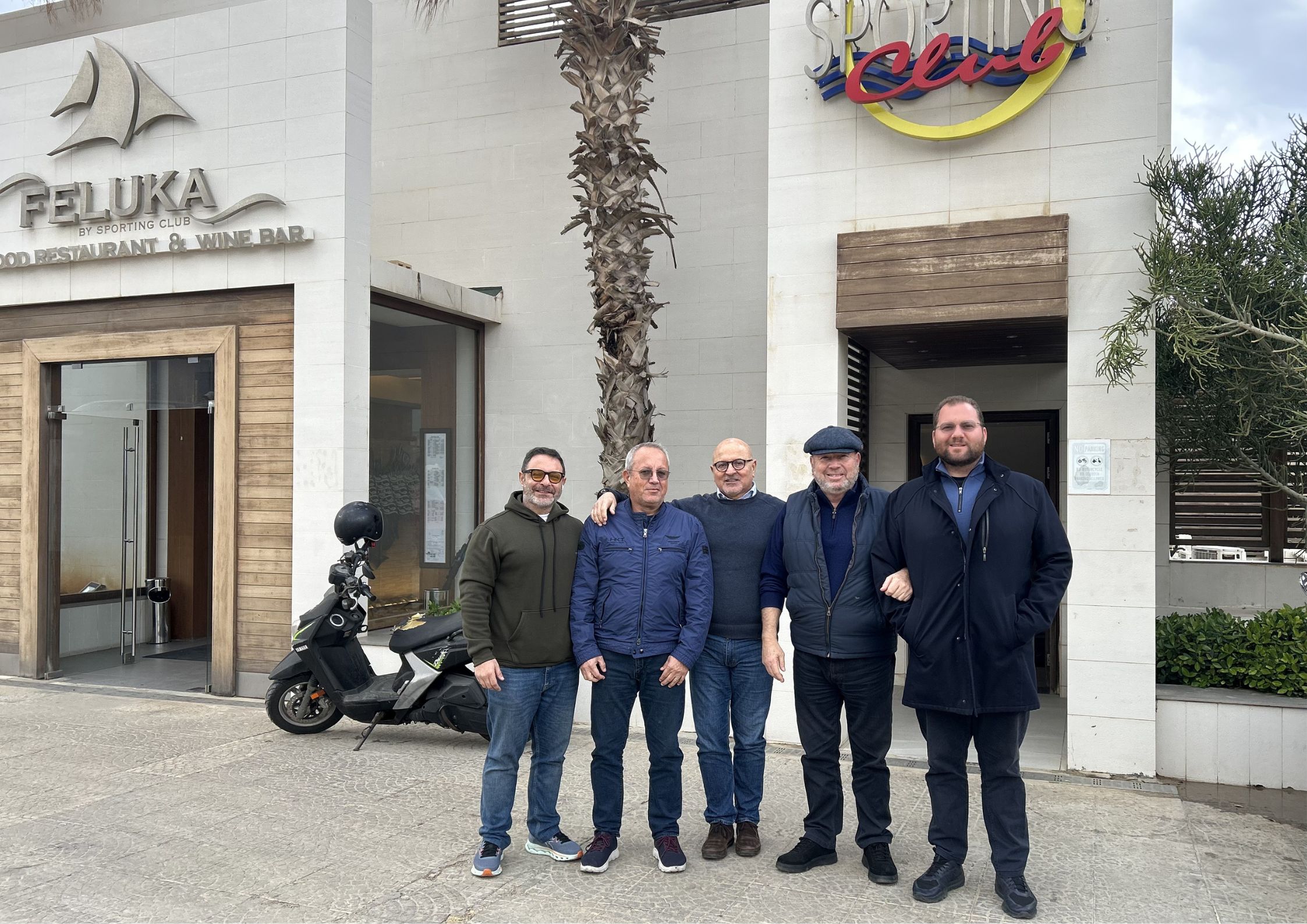
From left to right: Tarek, Marwan, Walid, Ralph and Rayan
Sporting is known for its membership model. Why keep it that way?
We prefer members over one-time guests. Membership spreads the cost across the year and builds community. The day fee also serves as a filter. We have limited space. We cannot operate like large-scale beach resorts outside Beirut.
Sporting works because it’s consistent. It’s not trying to be Dubai. It’s not trying to be Ibiza. It’s Beirut.
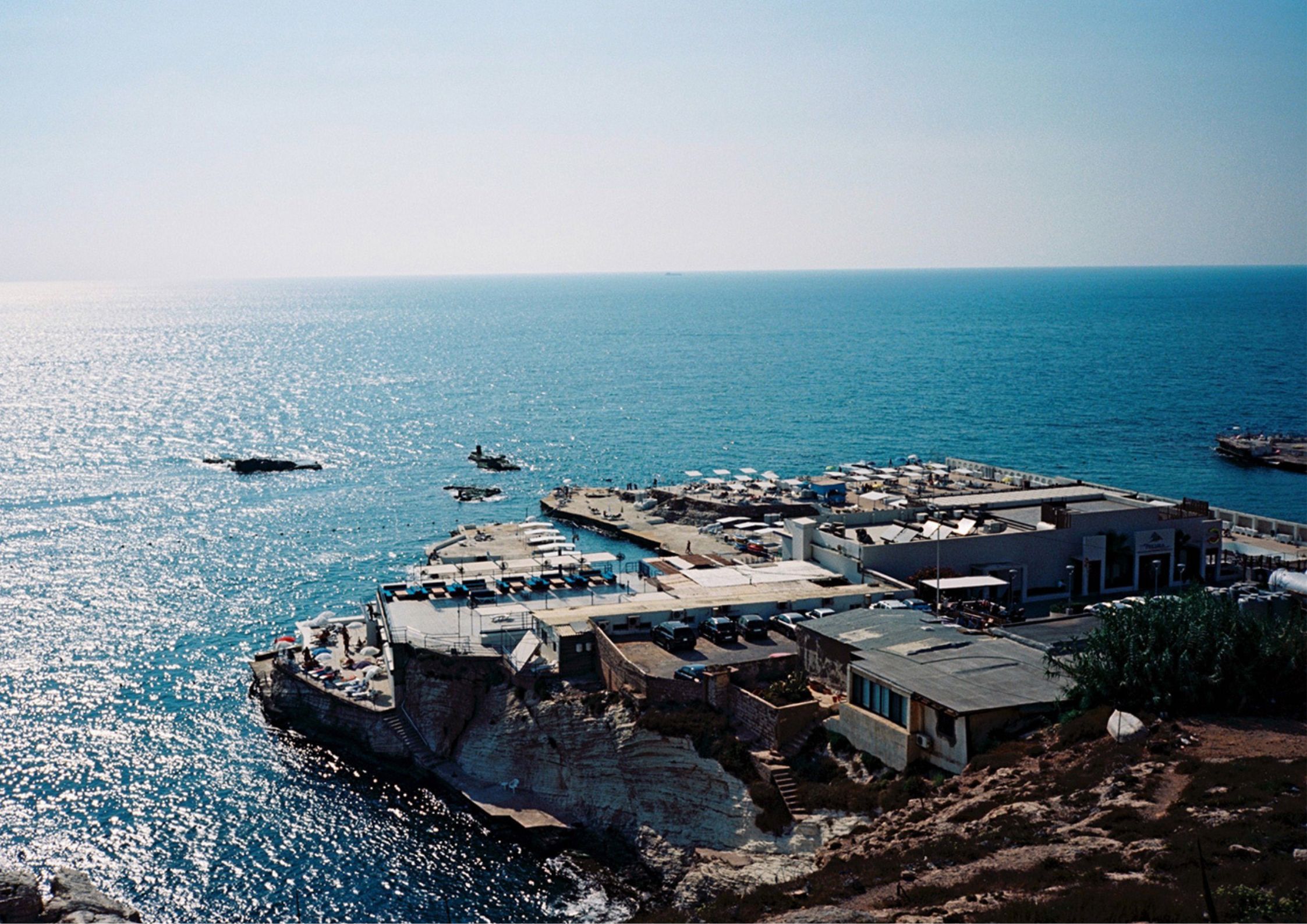
Photo: Cedric Bardawil
What does Lebanon mean to you in this context?
People call it a legacy. I don’t see it that way. It’s a responsibility — but not in a grand sense. We maintain a sane, safe space where people from all backgrounds can mix. That, in itself, contributes something positive. It’s not about saving the country. It’s about doing our part — selfishly, for our families — and if that benefits the country, even better.
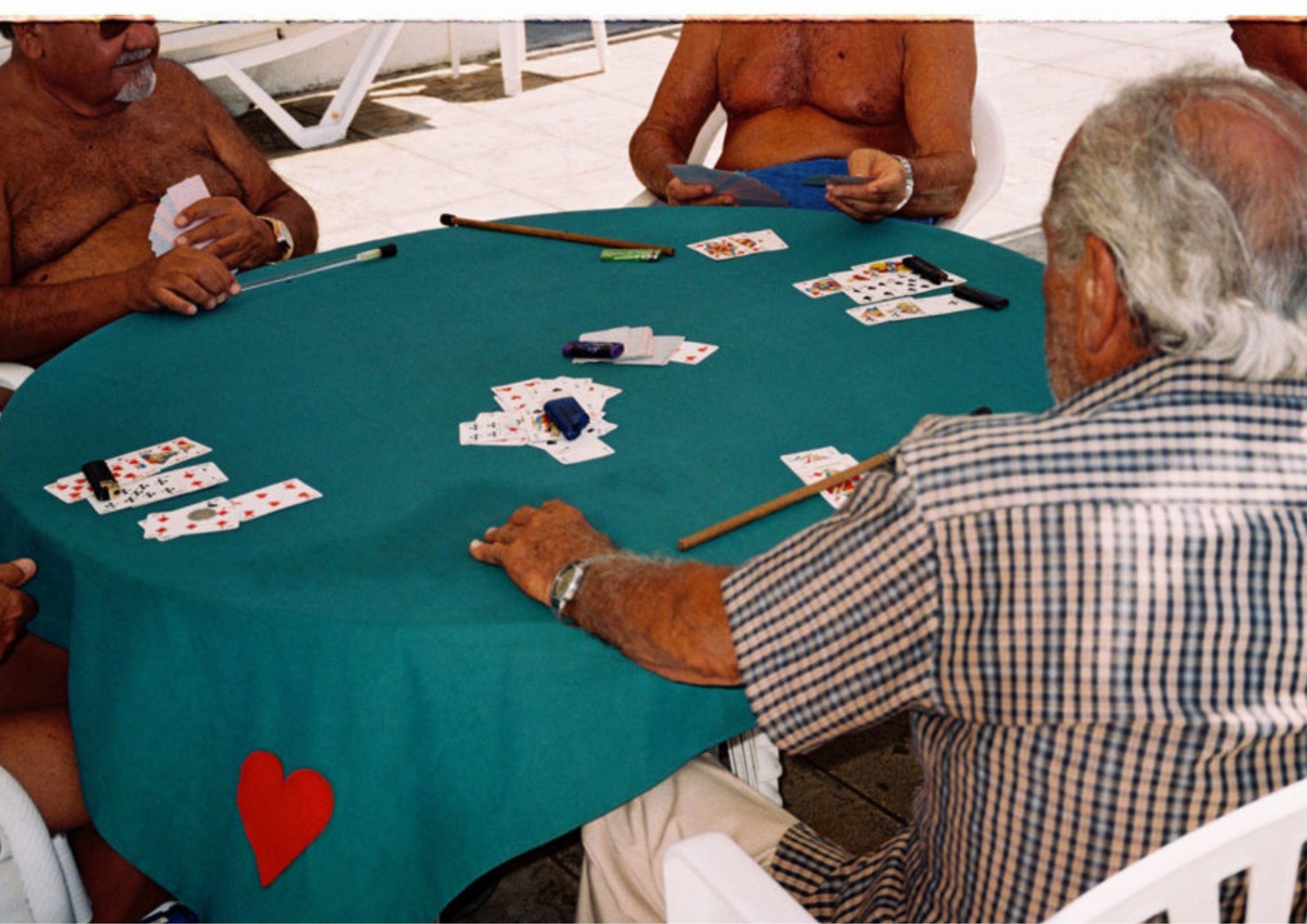
Sporting archives
What do you want people to feel when they leave Sporting?
Many who have left Lebanon tell us they miss this place. They remember the view of Raouche, the sound of the sea, the simplicity. You’re in the middle of the city, but you’re detached from it. Sometimes people come once and say they don’t understand the “obsession” with Sporting. But it grows on you. You need to give it time. It’s not spectacular. It’s consistent. And consistency, over decades, becomes something people carry with them.
If you enjoyed reading this, check out our article on how to spend 48 hours in Beirut.
Loading