


In September 2025, the historic Le Colisée Cinema reopened its doors after decades of closure. Built in 1945, the theater once stood at the heart of Hamra’s cultural life during Beirut’s golden age of cinema, screening major Arab and international films. Today, the venue has been transformed into the Lebanese National Theater, an initiative led by actor and director Kassem Istanbouli and the Tiro Association for Arts. The reopening coincided with the launch of the Lebanese International Monodrama Theater Festival, bringing together theater groups from Lebanon and abroad and signaling the return of artistic activity to one of Hamra’s most storied cultural landmarks.
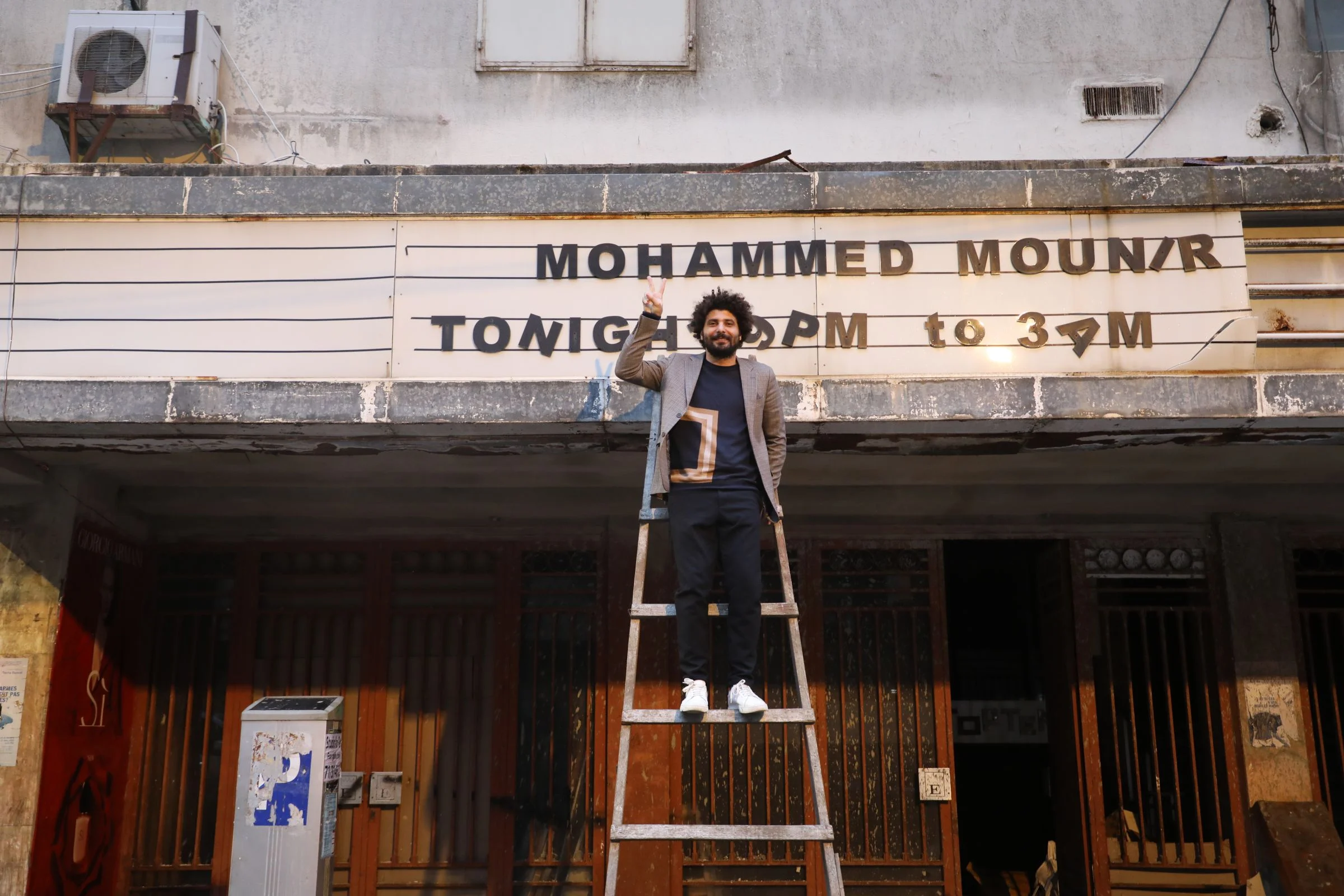
A Cinema Born in Hamra’s Golden Age
Le Colisée was originally established during the mid-20th century, when Hamra was emerging as Beirut’s intellectual and cultural center. At the time, the district was filled with cinemas, cafés and bookshops, attracting students, artists and thinkers from across the region. The theater quickly developed a reputation for screening art-house and international films, distinguishing itself from other venues that focused on mainstream cinema. Generations of Beirut residents remember gathering beneath its lights to watch films that were rarely shown elsewhere in the city.
During Lebanon’s civil war, the cinema — like many buildings in Hamra — was damaged and eventually closed, leaving behind an empty structure that remained a silent witness to the neighborhood’s changing fortunes.
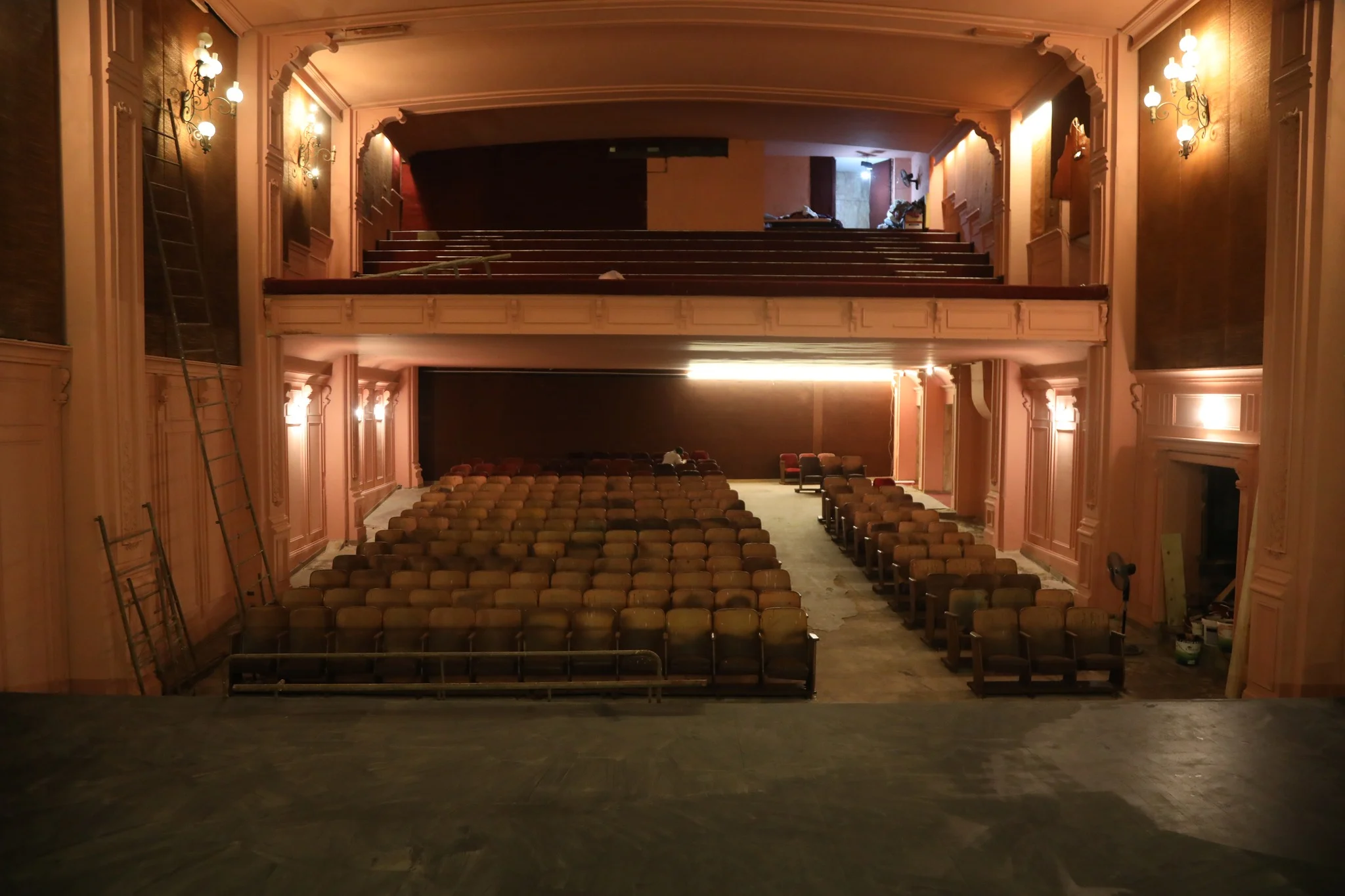
A Long-Awaited Revival
Today, the reopening of the theater represents more than the restoration of a building. Under Istanbouli’s direction, the venue will be reborn as the Lebanese National Theater, continuing his efforts to transform abandoned cinemas into cultural hubs. The restoration preserved many of the original architectural elements, including the deep red interior and vintage decorative details that defined the theater’s atmosphere in its early years. The goal was not to modernize the space entirely, but to maintain its historical identity while adapting it for contemporary cultural programming. Once reopened, the venue will host a variety of activities, including film screenings, theater performances, art exhibitions and workshops in photography, drawing, acting and dance.
Making Culture Accessible
A key aspect of the initiative is accessibility. Many of the events at the theater will be free or offered at very low cost, reflecting Istanbouli’s commitment to making the arts available to a wider public. The venue will also include a small library and exhibition space, allowing visitors to engage with Lebanese cultural history beyond film and performance. For Istanbouli, reviving abandoned theaters is not simply about preservation. It is about reconnecting communities with spaces that once shaped the country’s cultural life.
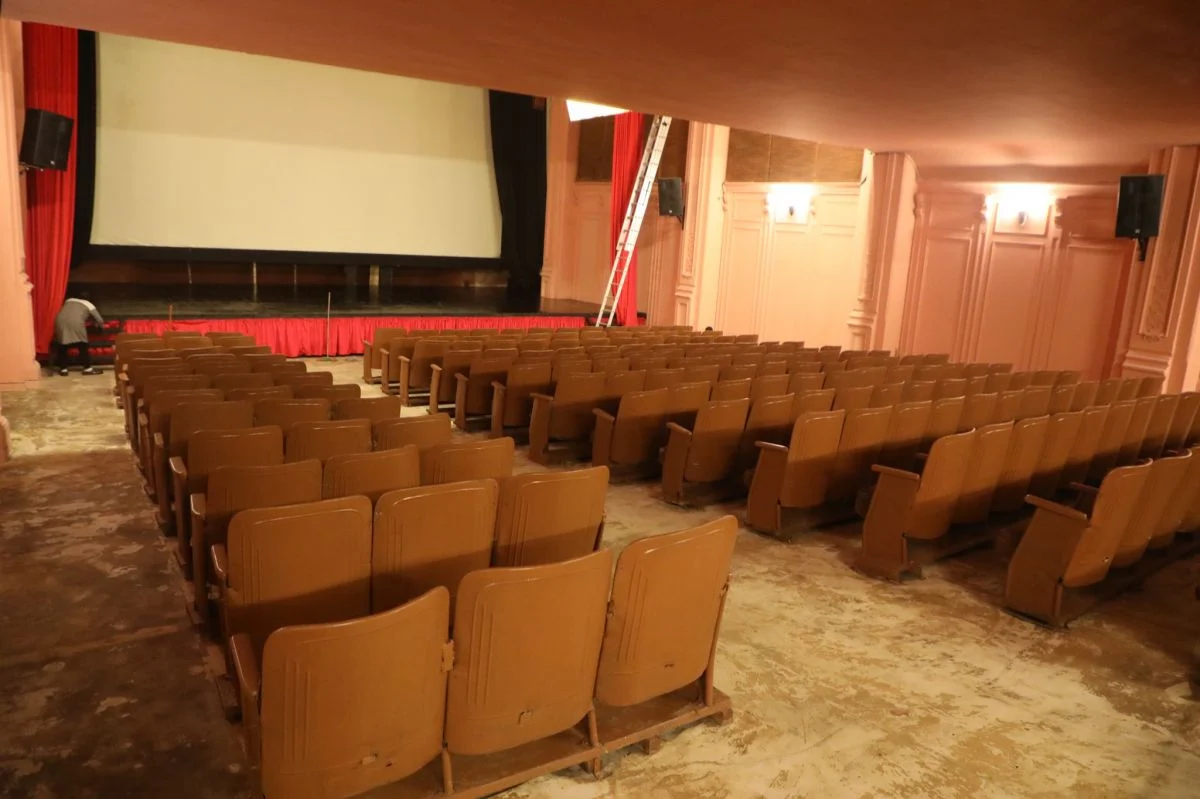
A Symbol of Cultural Resilience
The reopening of Le Colisée is part of a larger movement to reclaim Beirut’s historic cultural landmarks. In a city where many cinemas closed over the past decades, restoring such spaces carries strong symbolic meaning. By breathing new life into the theater, Istanbouli and his team hope to reconnect younger generations with Lebanon’s artistic heritage while giving Hamra another cultural gathering place. In many ways, the project echoes the story of Beirut itself: a city that continues to rebuild, reinvent and rediscover its identity through culture.
If you enjoyed reading this, check out our article on the story of the Phoenicia Beirut.
Loading