



For many visitors, Baalbeck begins and ends with its Roman temples. They come to marvel at the towering columns, wander through ancient courtyards and photograph one of Lebanon’s most remarkable archaeological sites. But for Omar Mohamad Hamade and the Hayakel Baalbeck dance troupe, one of the city’s greatest treasures is not carved in stone. It is danced.
Founded in the 1990s, Hayakel Baalbeck was created to preserve and teach one of Lebanon’s most enduring traditions. More than a performance troupe, it has become a place where history, music and heritage are passed from one generation to the next. “Dabke is part of our inheritance,” says Hamade, who leads the dance troupe. “We founded the group so that this heritage would not disappear and so future generations could continue learning it.” In Baalbeck, that connection begins early.
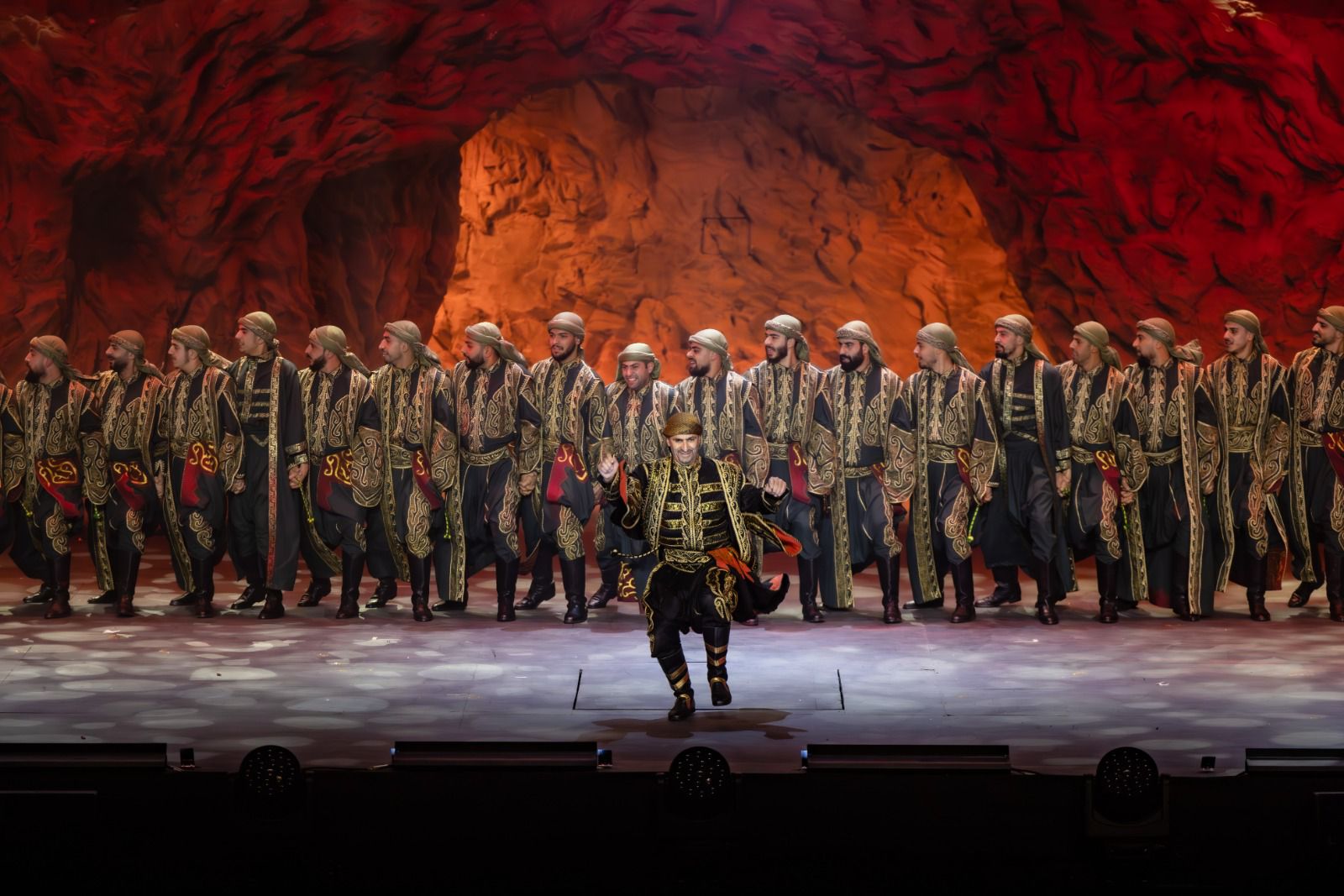
“If a child hears clapping and doesn’t start dancing, we take them to the doctor,” he jokes. Behind the humour lies a deeply held belief. While dabke is performed across Lebanon and throughout the Levant, Hamade insists there is something different about Baalbeck. “The spirit of dabke is in the blood of Baalbeck,” he says. “When the music starts, thousands of people stand up and dance. The weddings in Baalbeck are legendary.”
For generations, dabke has been at the heart of celebrations throughout the region. It accompanies weddings, festivals and family gatherings, transforming music into a shared expression of joy. “Dabke is a symbol of happiness,” says Hamade. “A wedding without dabke doesn’t feel complete.” That cultural importance is what drives the troupe’s work today. Beyond teaching choreography, the troupe introduces students to the history of the dance, its musical traditions and the stories behind its many styles.
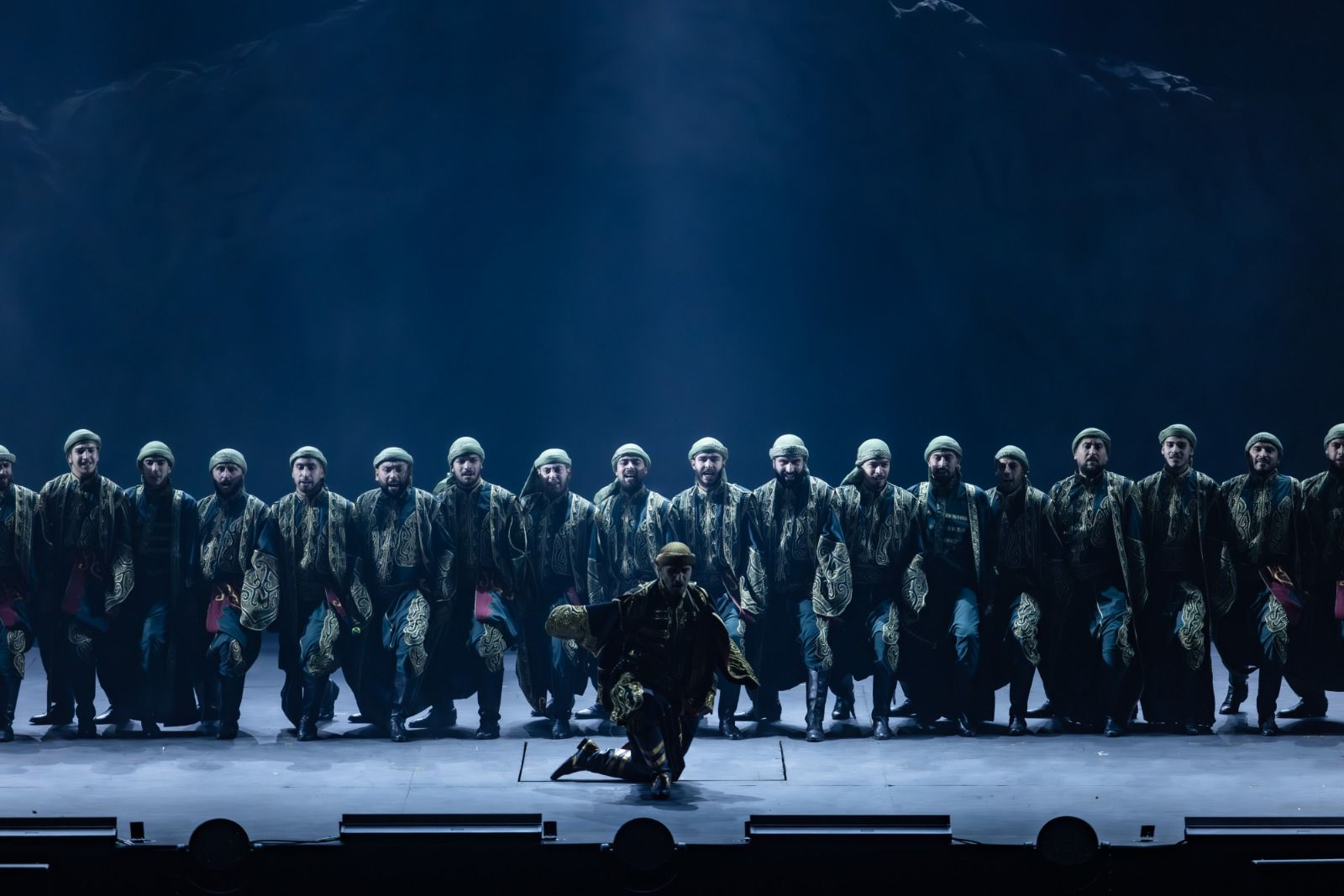
Among the most important are Baddawiya, Shimaliya, Aarja, Kerradiya and Tayrawiya, styles that have been preserved in Baalbeck for generations. According to Hamade, Baddawiya is linked to Bedouin communities that once travelled through the Bekaa Valley. As they camped near Baalbeck, they brought with them their music, celebrations and dances. Over time, local communities adopted elements of those traditions and incorporated them into their own. Shimaliya emerged from everyday village life. Before modern construction methods, neighbours would gather to help one another build homes and compact earthen rooftops. The synchronized movements and line formations associated with the dance reflect those communal gatherings and the spirit of cooperation that defined them.
Aarja carries a more symbolic story. Hamade explains that the dance evokes the image of victorious warriors returning from battle. Greeted by drums and celebration, exhausted fighters would stamp the ground as they arrived home. While versions of the dance existed elsewhere, the people of Baalbeck helped preserve and revive it, ensuring its survival. Kerradiya traces its roots to Kurdish communities that settled in the region. Over generations, it evolved into one of the most technically demanding forms of dabke performed in Baalbeck today. Tayrawiya is perhaps the most distinctive. Hamade attributes its creation to the late Abu Majid of Deir El Ahmar, a musician known for his love of folk poetry and the rababeh. Inspired by a melody he composed, he developed a new dance that would later become known as Tayrawiya.
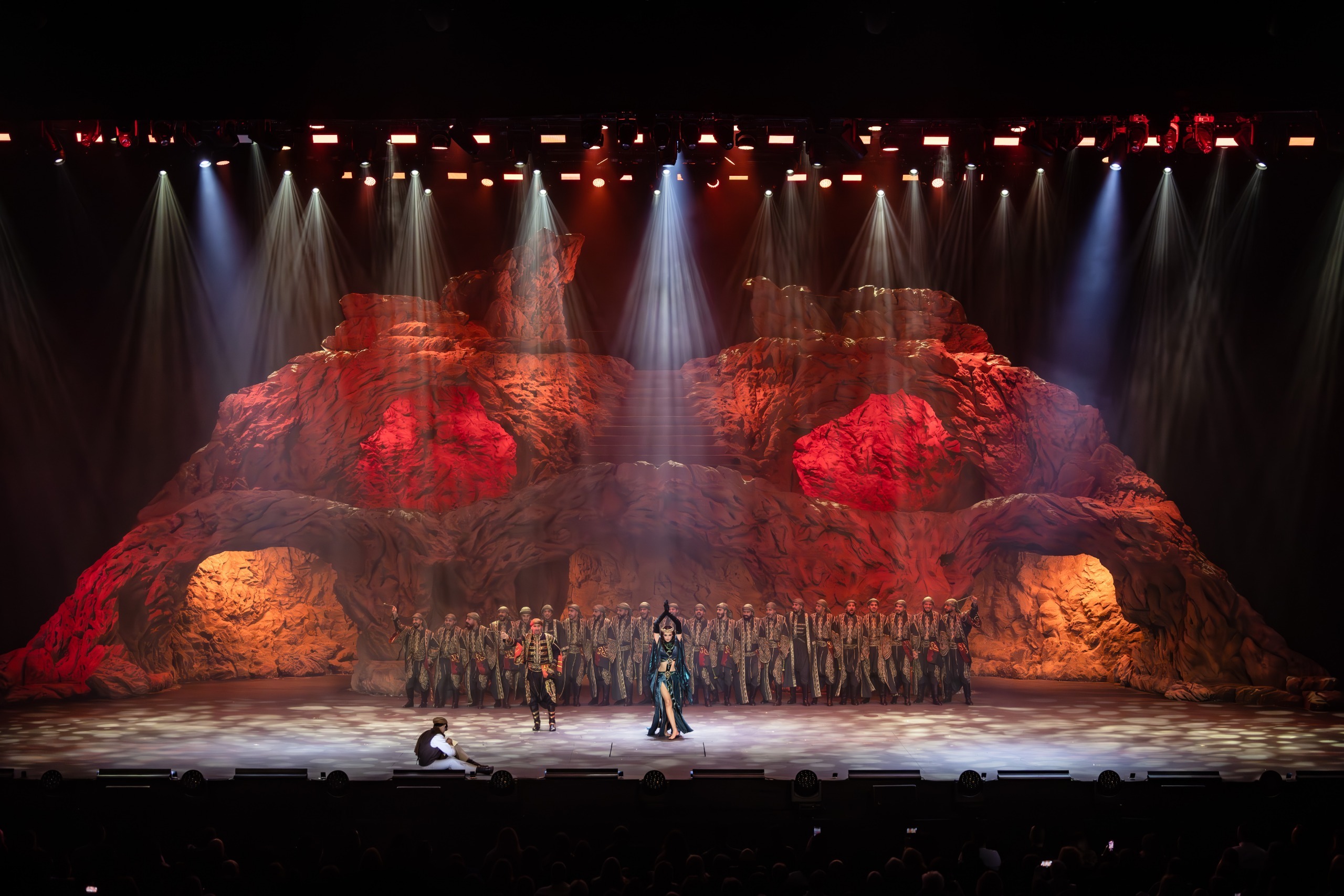
Together, these styles form a living archive of the region’s history, preserving stories of migration, labour, celebration and cultural exchange through movement and music. While audiences often focus on the footwork, Hamade believes understanding the music is equally important. “When we hear the music, we know immediately which dabke belongs to it,” he says. “The music tells us whether it is Shimaliya, Kerradiya or Aarja.” As social media and contemporary choreography introduce new interpretations of traditional dance, Hamade remains committed to preserving the original forms. “I am not against development,” he says. “But the traditional styles should remain as they are. Baddawiya is Baddawiya. Aarja is Aarja.” Unlike many cultural practitioners concerned about younger generations losing touch with tradition, Hamade remains optimistic. Through academies, workshops and local initiatives, he believes interest in dabke remains strong.
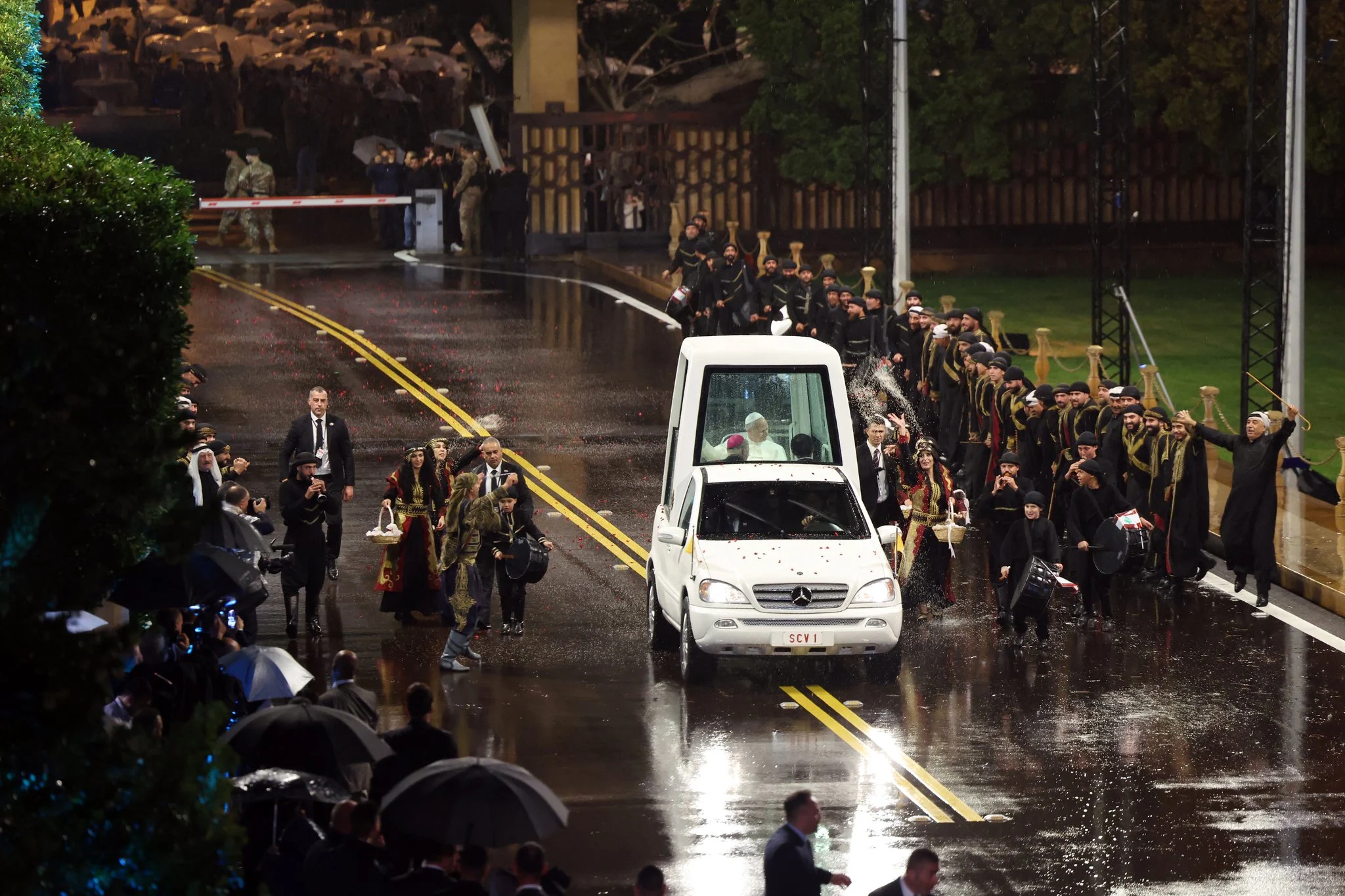
“Dabke has no age,” he says. “We teach children, adults and even people in their 50s.” That dedication has taken Hayakel Baalbeck far are wide. The troupe performed during the celebrations welcoming Pope Leo XVI to Lebanon and later collaborated with the Mayyas, helping bring elements of traditional Lebanese dance to contemporary productions seen by international audiences. Yet despite these milestones, Hamade remains focused on the same goal that inspired the troupe more than three decades ago.
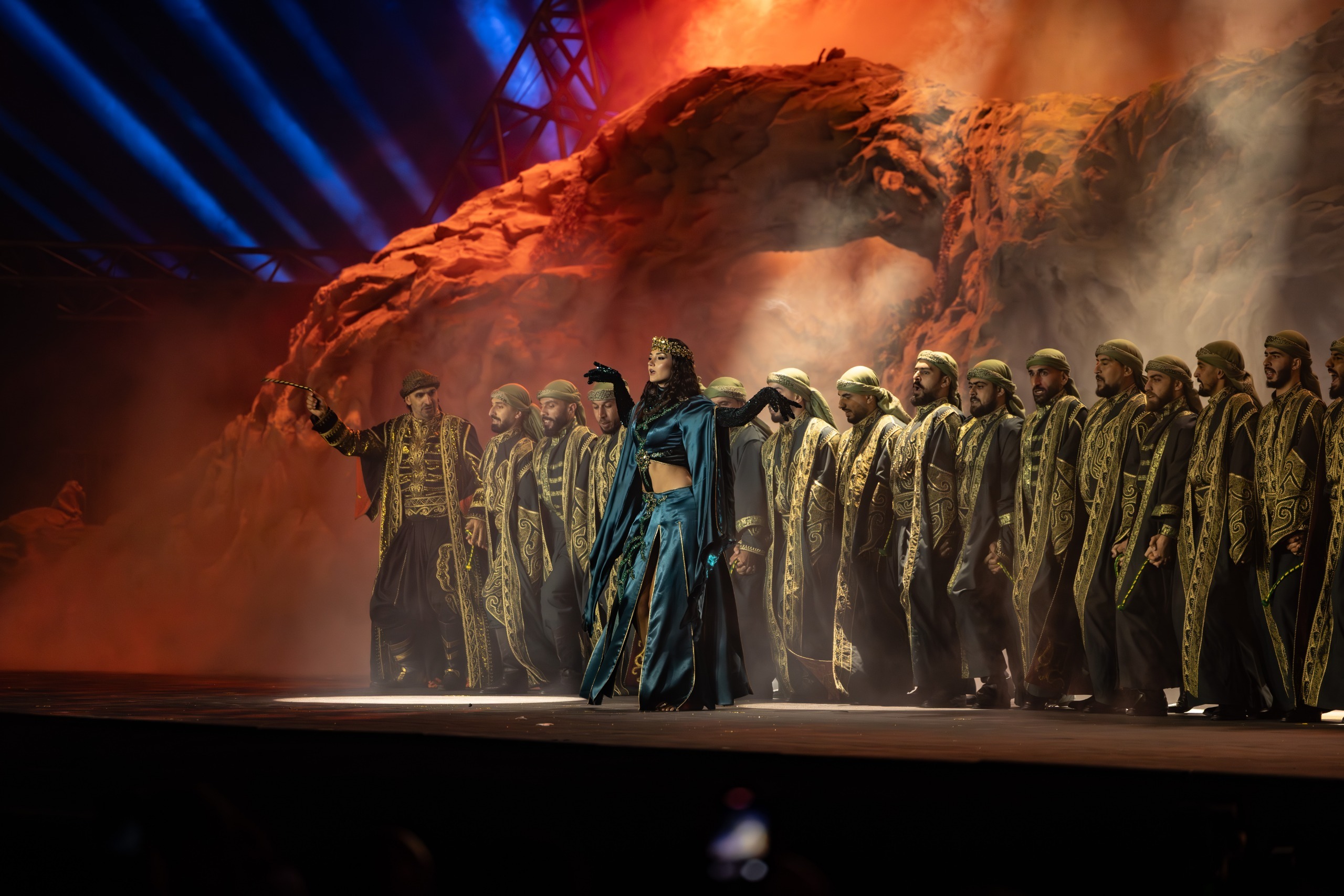
Visitors often come to Baalbeck to discover its ancient past. Hamade hopes they also experience its living heritage. “People come to see the ruins,” he says. “But I want them to see the dabke too.” For him, the dance is more than a performance. It is a living expression of identity, community and memory, carried forward one generation at a time.
“This dabke is my life,” he says. “It is not just part of my life. It is my life.”
If you enjoyed reading this, check out our mini guide to Baalbeck.
Loading