


For Hoda and Mariam Baroudi, creation is not just a practice — it’s a lineage. As one half of the celebrated design collective Bokja, Hoda has built a universe of storytelling through textiles, while Mariam, founder of SiLA Table, channels connection and memory into intuitive, ingredient-led cuisine. Though expressed through different mediums, their work shares a common language of emotion, generosity and deeply rooted Lebanese identity.
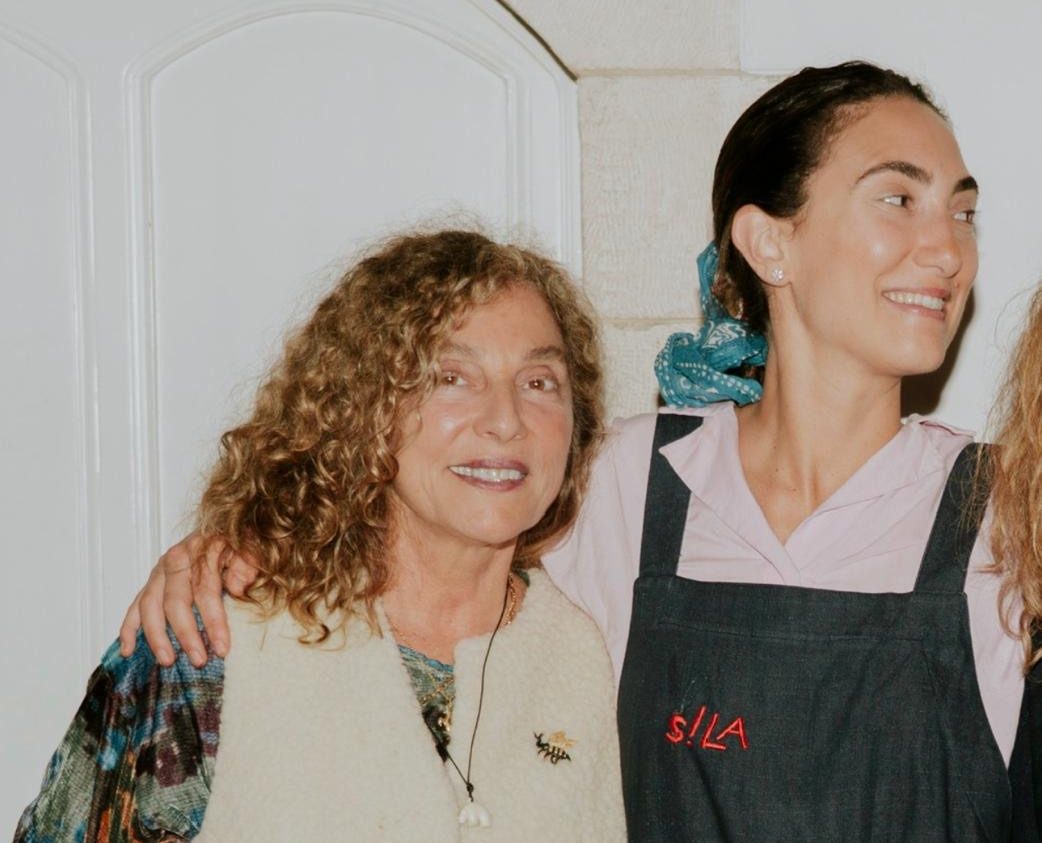
How did the home you shared shape the way each of you expresses heritage today?
Hoda: Our home was always filled with objects collected through travels — especially from second-hand markets, like the one in Basta, Beirut. There were textiles on the walls, books, artifacts and layers of memory in every corner. Through these objects, countless stories were passed on to our daughters.
To me, every piece carries memory, history and dialogue. It is never simply decorative; it becomes a vessel for both personal and collective narratives.
Growing up in Saida, I was constantly surrounded by inspiration. We had cushions embroidered by Palestinian women from the camps and a mother who was always cross-stitching or knitting while supervising our studies. She would even help us with our art homework . She drew beautifully. Craft was never separate from daily life; it was woven into the fabric of our home. It was an expression of care, and that has always stayed with me.
Mariam: When I think about my childhood at home, I immediately think of gathering. My parents were always hosting friends from all over the world. My mother would cook these beautiful dishes, not necessarily traditional, but always driven by curiosity and a desire to explore. At the same time, my father carefully chose the wines he would serve, making each evening feel intentional and special.
And then there were Sundays. Every week, we would drive to Saida to have lunch at my grandmother’s, surrounded by aunts, uncles and cousins. That’s where I learned what abundance really means: generous, overflowing tables filled with traditional food and shared moments.
Between these two worlds, one of exploration and one deeply rooted in tradition, my relationship to food and hospitality was shaped. It’s where my way of expressing heritage today truly began.
As a mother and daughter working in creative fields, what did you learn from each other?
Hoda: Mariam taught me the importance of adhering to a process, of how patience, attention and care elevate everyday gestures into meaningful acts. It reminded me to slow down in my own creative work and to tune to the the people I work with and the materials that we work with.
Mariam: My mother taught me that objects carry memory and that meaning is as important as technique. It changed the way I think about food: every dish can tell a story, connect people and carry culture forward.
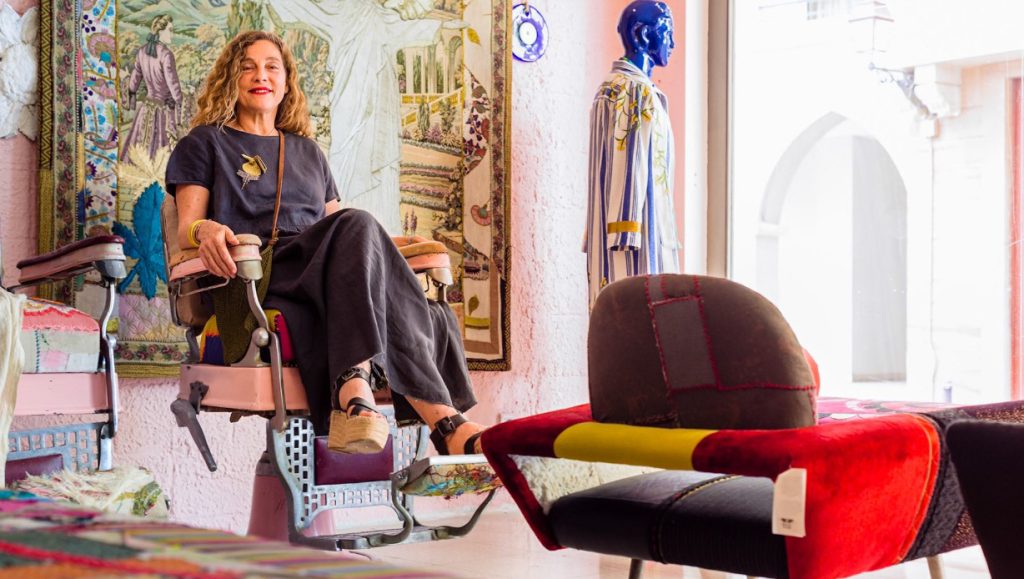
Hoda, do you feel a responsibility to reflect the realities of the region through your textiles?
Absolutely. Textiles are more than decoration; they’re carriers of stories and histories. I feel a responsibility to reflect the realities of the region, its beauty and its struggles while giving a platform to artisans and communities whose work is often unseen.
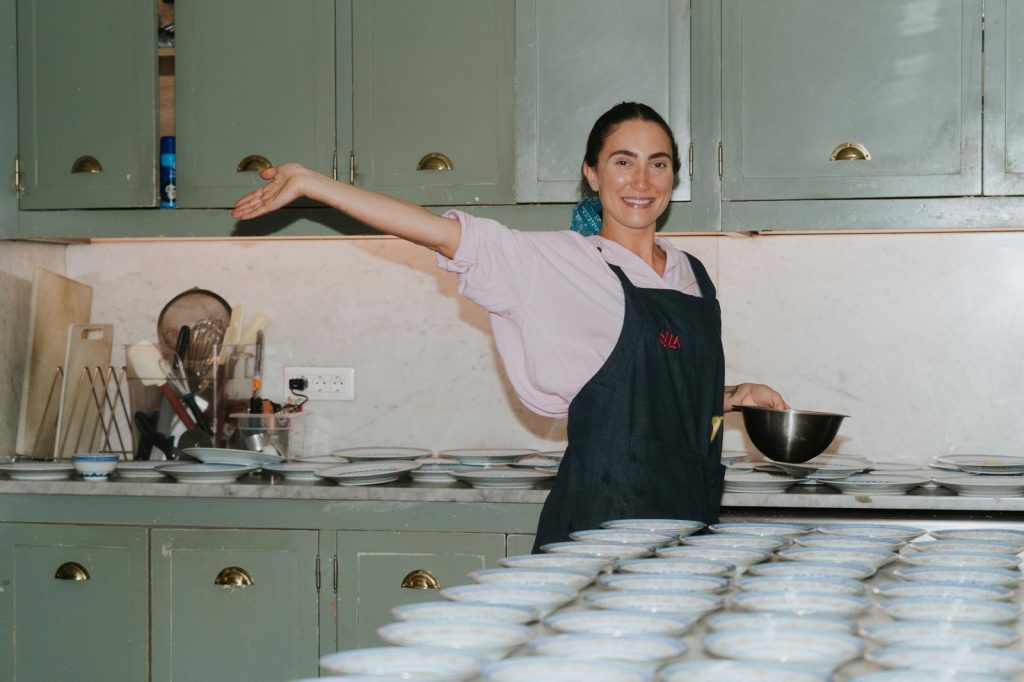
Mariam, how do you see food as a way of protecting and celebrating Lebanese culture today?
Mariam: Food is one of the most immediate and accessible ways we hold onto culture. It’s something we live every day, something we share.
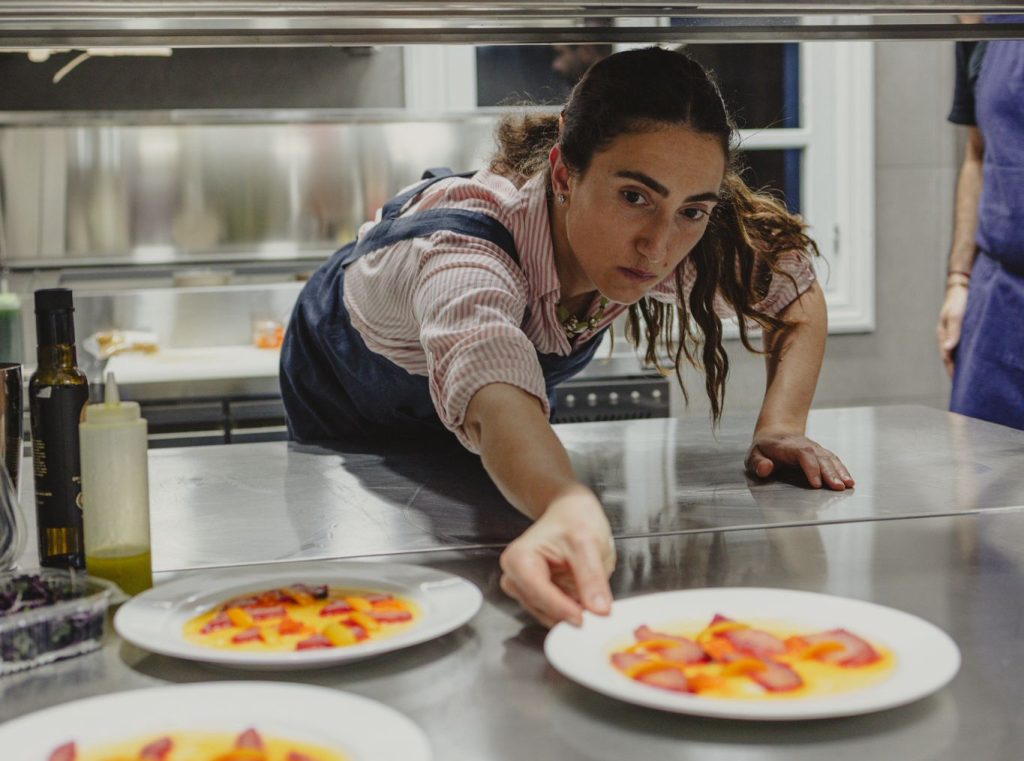
Through SiLA Table, I work with seasonal and local ingredients, not only because it makes sense environmentally, but because it keeps us connected to our land and traditions. At the same time, I allow myself to reinterpret (not change) dishes, keeping them alive while allowing them to evolve.
For me, protecting culture doesn’t mean freezing it. It means continuing to cook, share and tell stories through food in a way that feels relevant today.
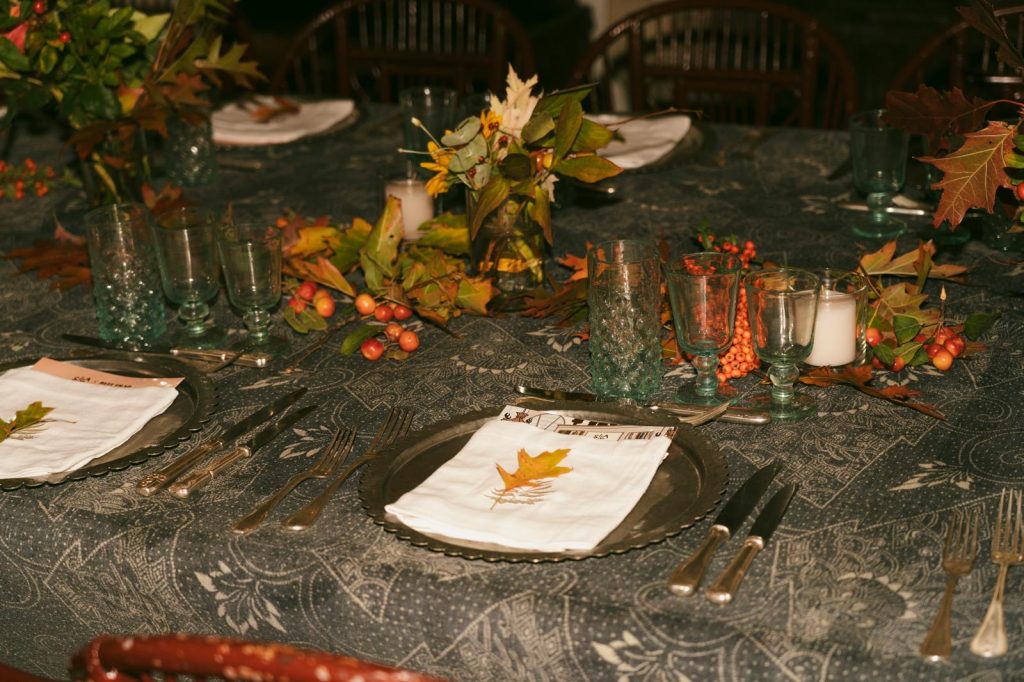
Have you collaborated?
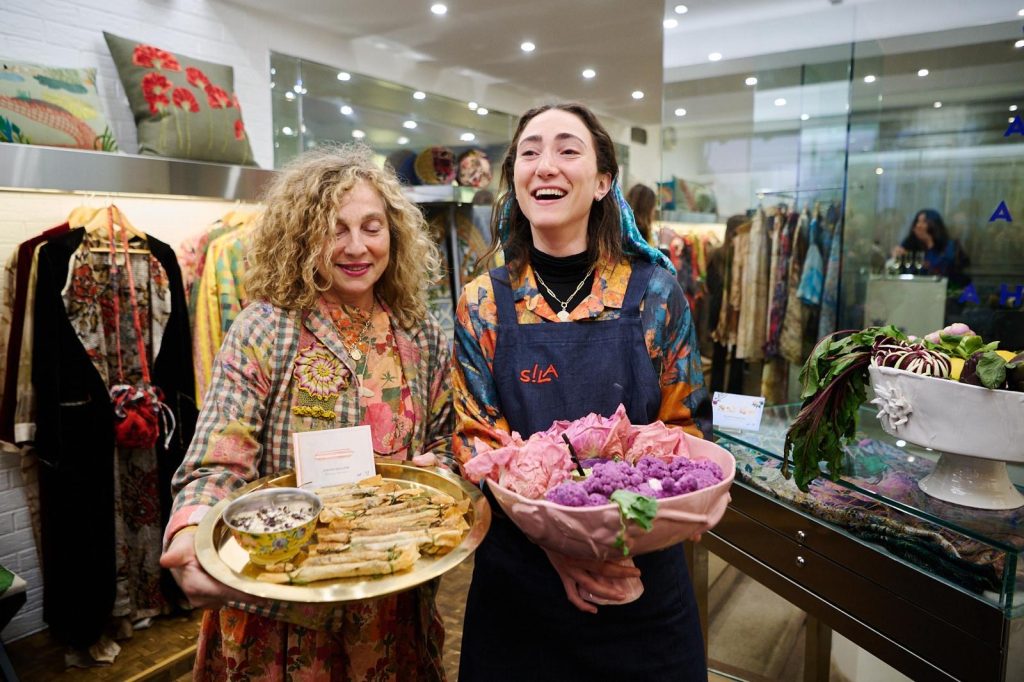
Mariam: My mom and I collaborated on the pop-up I did at Beit Trad back in October 2025. She created the table setting to the theme of “Fall Harvest,” so she selected the flowers, the tableware and place settings, while I handled the food. We were supposed to do an event together at Bkerzay for Mother’s Day, but unfortunately the situation did not allow us to go ahead with it.
We are working on turning my home in Beit Mery into a dining experience space where we can host private events, including dinners, birthdays, etc. I also want to collaborate with chefs from abroad and invite them to cook there. Of course, Mom will handle the interior furnishings and decor. It’s an exciting project, and one that we can both enjoy working on together.
How important is human connection to the work you do?
Hoda: It is at the core of everything. Without the artisans, there is no work. Each piece is the result of dialogue, trust and shared knowledge. At Bokja it’s always a collective process.
Mariam: It’s the same for me. Whether it’s farmers, producers or the people I cook for, the work only exists because of these relationships. Food is inherently about connection, and I try to honor that at every step.
Even the name “SiLA” means connection in Arabic, so it truly sits at the heart of everything I want to do: creating links between people, places and stories through food.
What rituals help you stay grounded?
Hoda: I find comfort in textures and in the act of creating something — the rhythm of of the embroidery machine, the smell of paint, the quiet presence of a familiar textile. It’s a small ritual, but it grounds me.
Mariam: Cooking is one of them. Even something simple like preparing a meal, setting a table and sharing it with people I love brings me back to what really matters.
I also find grounding in yoga and breathing, in walking in nature and in going to the farmers’ market: knowing where my ingredients come from and speaking to the people who grow them. These small rituals reconnect me to my body, to the land and to a slower, more intentional rhythm.
What feels most urgent for you to preserve and pass on?
Hoda: Levantine craftsmanship. Weaving, embroidery and appliqué are under threat. Preserving these techniques, along with the knowledge and values behind them, and passing them on to younger generations feels both urgent and necessary.
Mariam: For me, it’s preserving traditional techniques like mouneh, the way our grandmothers cooked, all the knowledge that was passed down through practice rather than written recipes.
It’s also about preserving rituals, especially the weekly Sunday family lunch. Whether you’re lucky enough to live close to your family or you recreate it abroad with friends who feel like home, that moment of gathering around a table every week is so important to hold onto.
More broadly, it’s about understanding ingredients, respecting seasons and keeping the stories behind dishes alive. And above all, preserving the culture of sharing, sitting together, taking time, being present. That, to me, is just as important as the food itself.
What gives you hope and what do you wish for women across the country?
Hoda: I’m inspired by the tenacity I see every day. I hope women across Lebanon continue to tell their stories, create and claim space for their vision. For too long, the work of women was relegated to second place, and that should no longer be the case.
Mariam: What gives me hope is the love I have for what I do, my country and the people around me, and how much people still care, despite everything.
My wish is for women to feel empowered to build their own paths, to trust their voices and to create freely. It is so important to preserve culture, lead with care and nurture communities, especially in challenging times.
If you enjoyed reading this, check out our interview with father-daughter design duo Anachar and Shana Basbous.
Loading