


Spanning archaeology, art, history and heritage, these 25 museums offer a rich journey through Lebanon’s layered past and vibrant cultural present. Grouped by region, they reveal the stories, civilizations and creative voices that have shaped the country.
BEIRUT
AUB Archaeological Museum
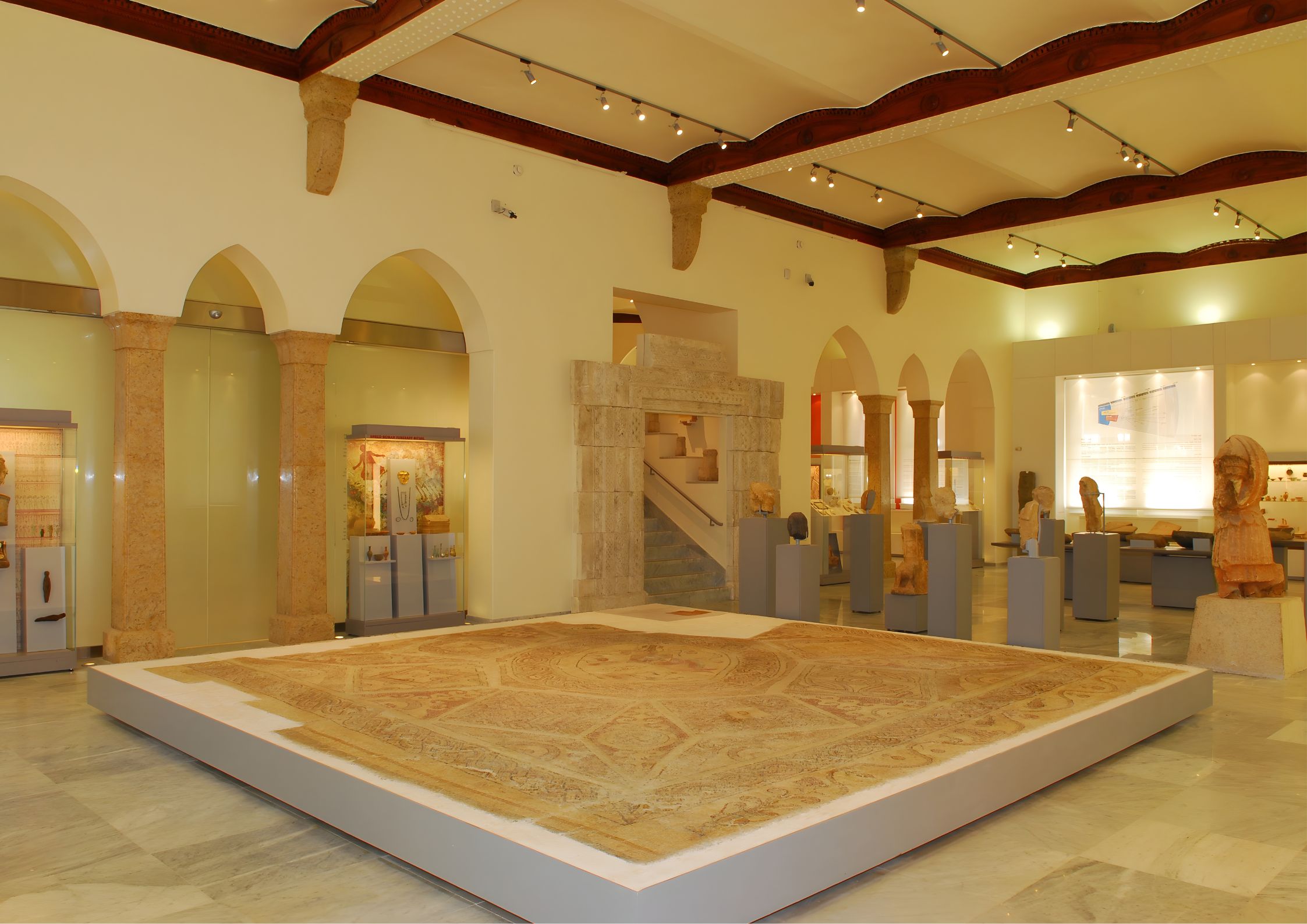
Founded in 1868, the American University of Beirut Archeological Museum (+961 1 759 665) is one of the oldest in the Middle East. It holds an important collection of objects such as flint, currencies, mosaics and prehistoric tools from Lebanon and neighboring countries, covering a period from the Early Stone Age to the Islamic era.
Banque du Liban Museum
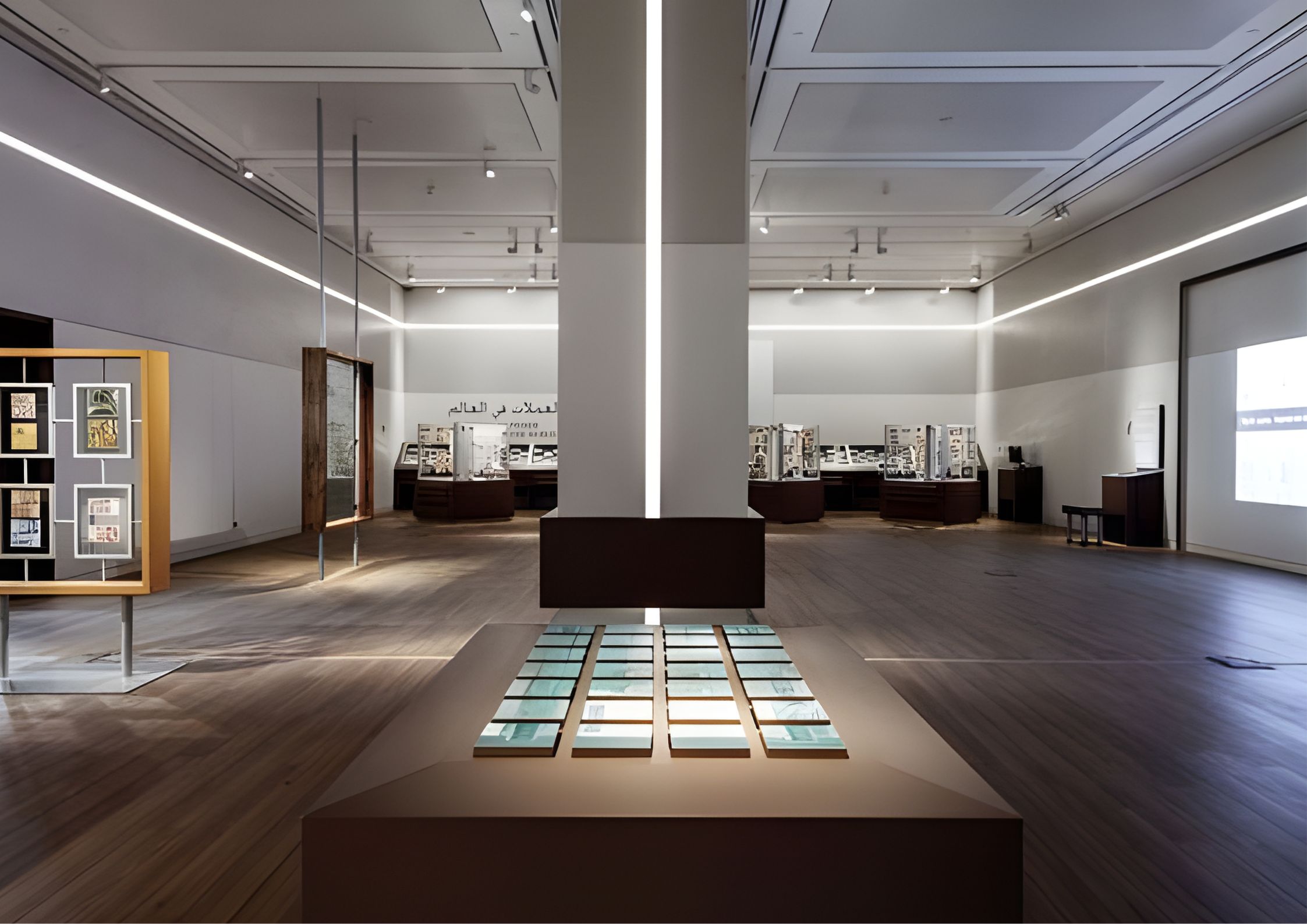
Displaying an impressive collection of local and foreign currencies as well as rare and valuable ancient banknotes and coins, the Banque du Liban Museum (+961 1 750 000) captures a rich history covering the Persian, Hellenistic, Roman, Byzantine, Arab, Islamic and Crusaders periods.
Museum of Lebanese Prehistory
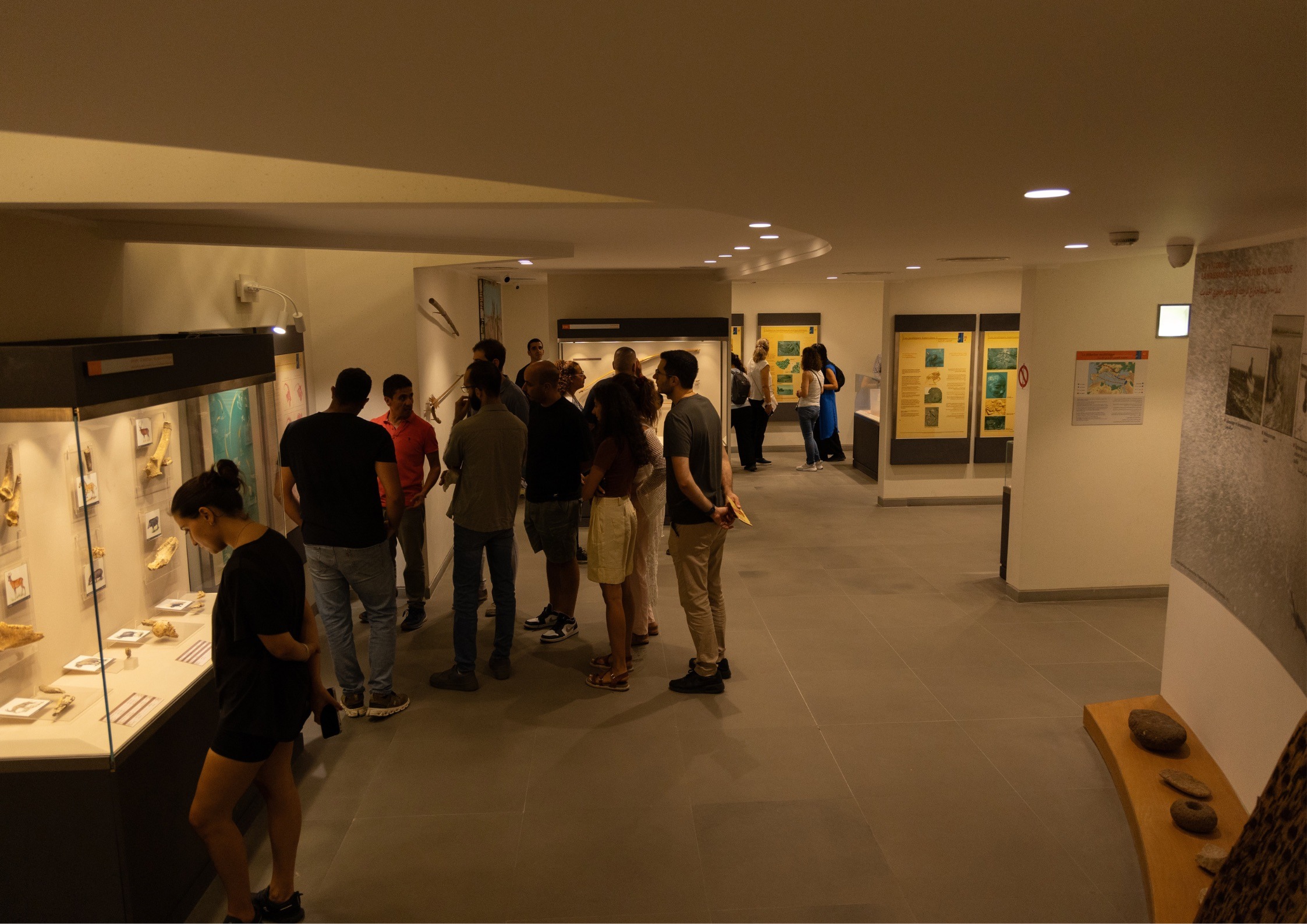
The Lebanese Prehistory Museum (+961 1 421 860) showcases the result of extensive research conducted by the Jesuit into prehistoric periods in Lebanon. Occupying two floors, the museum houses an exceptional collection of animal s, Neolithic pottery, stone tools and other ancient items recovered from over 400 archaeological sites.
MIM Mineral Museum
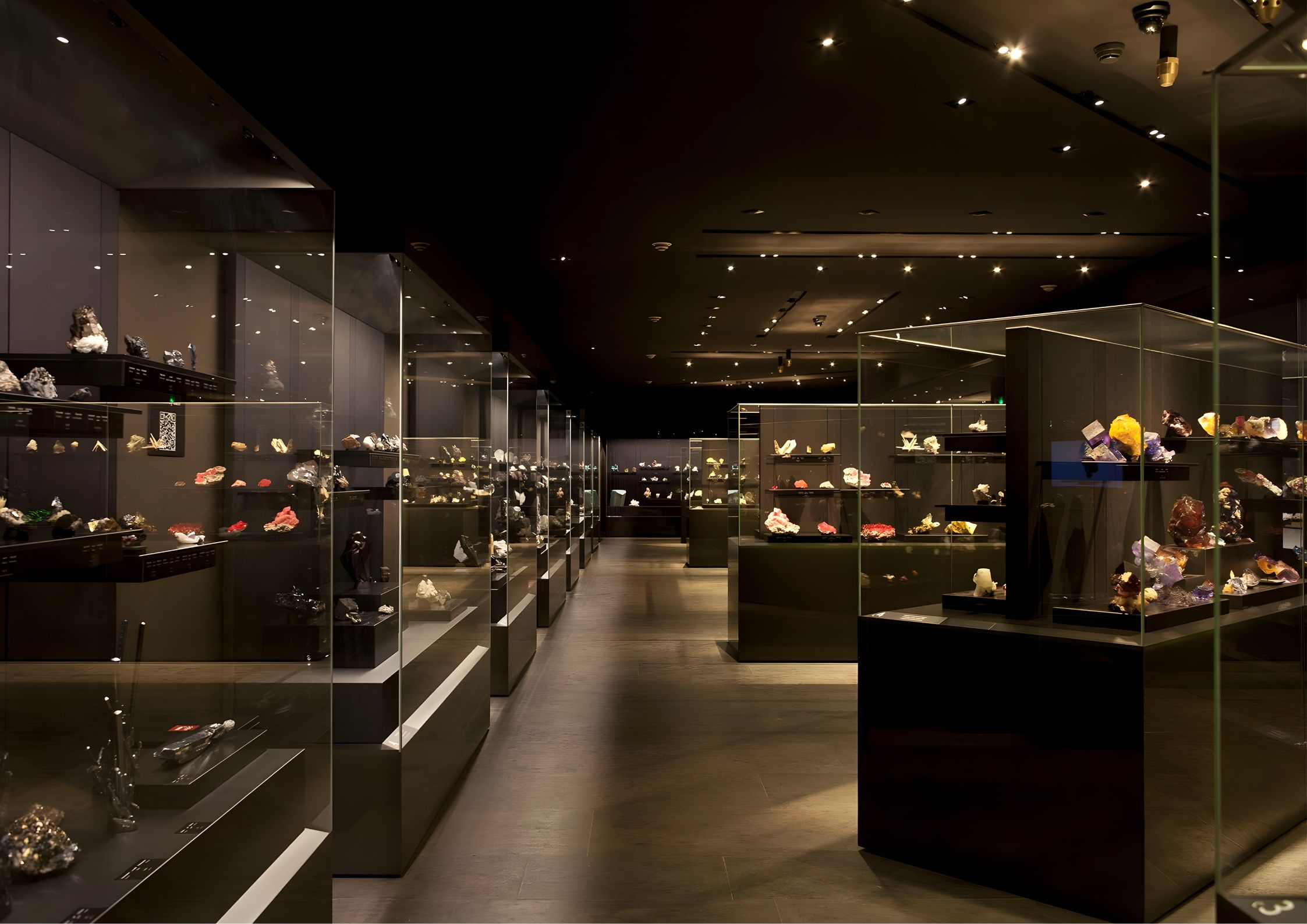
Showcasing more than 1,400 minerals and gems from over 60 countries, MIM (+961 1 421 672) is home to Salim Edde’s private collection. Considered one of the world’s paramount private collections for the variety and quality of its minerals, the museum takes visitors on an interactive journey to learn more about the science behind mineralogy.
National Museum of Beirut
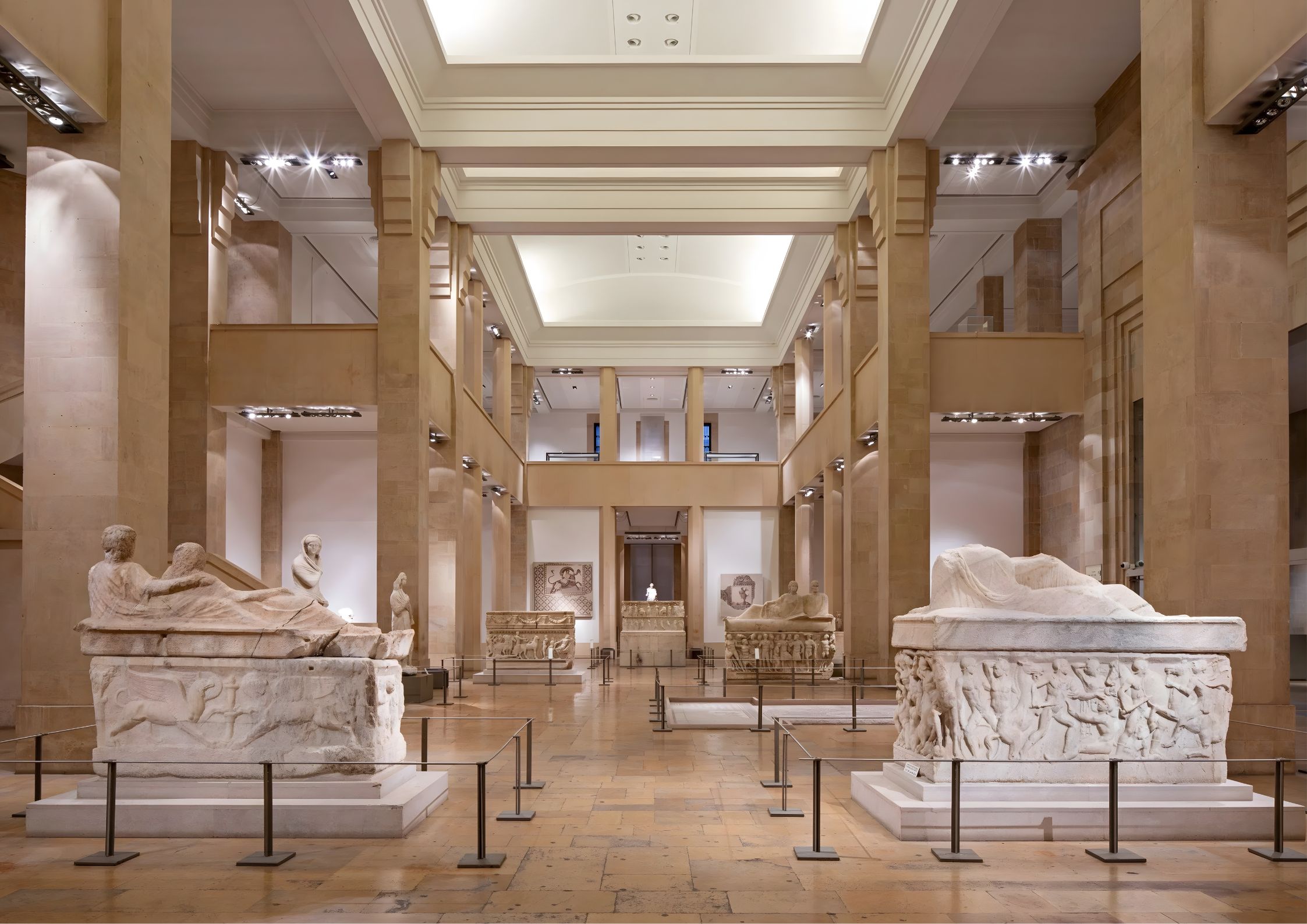
Built in the 1930s, the National Museum of Beirut (+961 1 426 703) is the only one of its kind to exhibit ancient artifacts discovered on Lebanese territory. Considered to be among the richest museums in the Middle East, its precious objects tell the story of people and civilizations that conquered Lebanon and lived there, from prehistory to the 19th century. The Nuhaid-Es-Said Pavilion adjacent to the National Museum, is a space dedicated to fostering artistic and cultural dialogues.
Sursock Museum
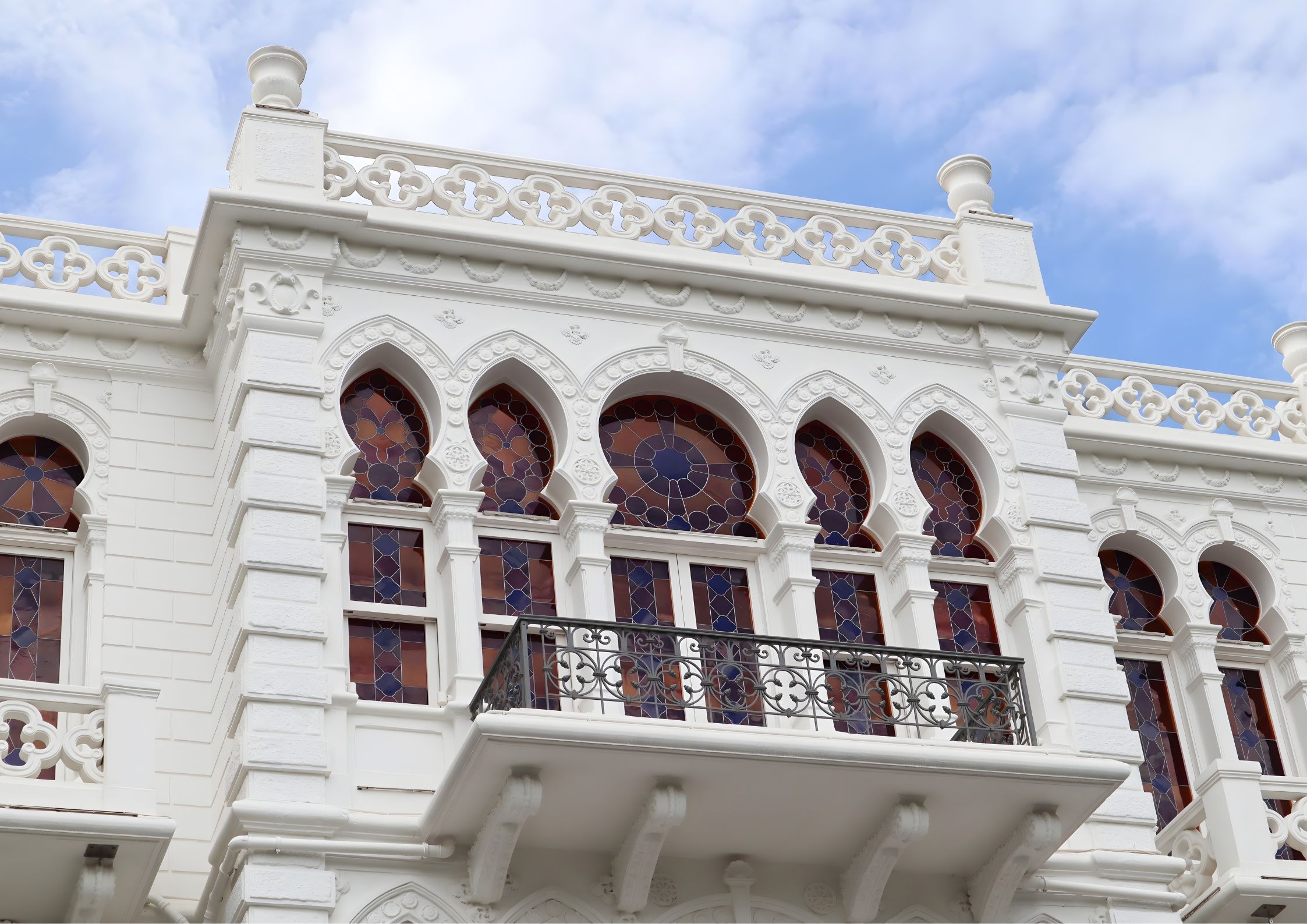
Widely regarded as one of Lebanon’s most important museums of modern and contemporary art, the Sursock Museum (+961 1 202 001) was the former villa of aristocrat Nicolas Sursock, who gifted the mansion as an art museum to the people of Beirut upon his death in 1952. The building itself is nothing short of a work of art, with its exquisite blend of Venetian and Ottoman architectural elements and extravagant external staircases.
Villa Audi Mosaic Museum
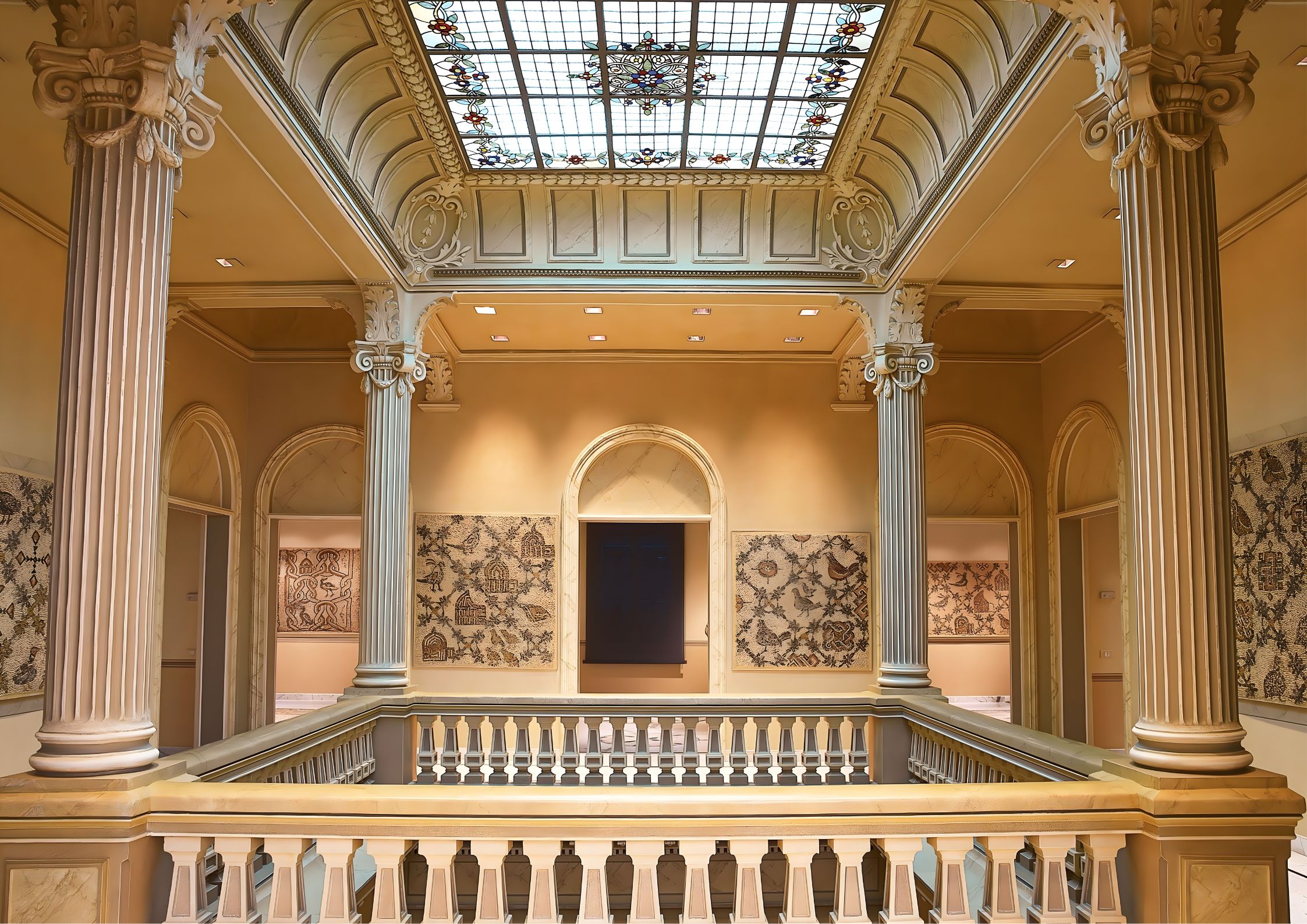
Located on a leafy street in Sursock, the beautiful Villa Audi (+961 1 200 445) houses a unique collection of mosaics from the four corners of the world. In addition to the extraordinary mosaics, visitors can see a number of sculptures as they explore both floors of the villa.
MOUNT LEBANON
Atelier Assaf
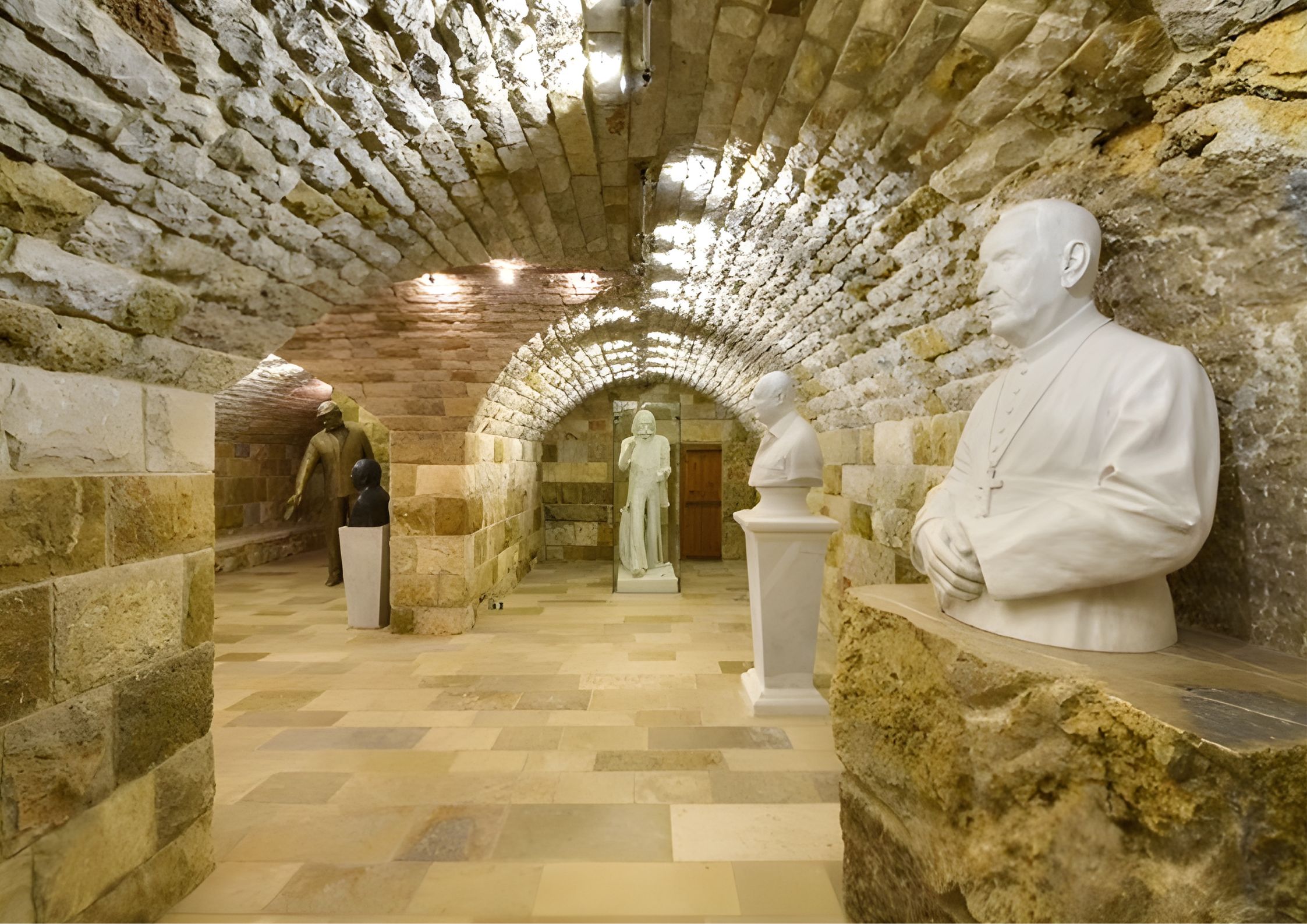
Atelier Assaf (+961 3 737 528) is a cultural, artistic and ecotouristic project located in Al Warhaniyeh, Shouf. The project consists of a small botanical garden, a sculpture park, an art museum, a rural environmental house and a café.
Beiteddine Palace Museum
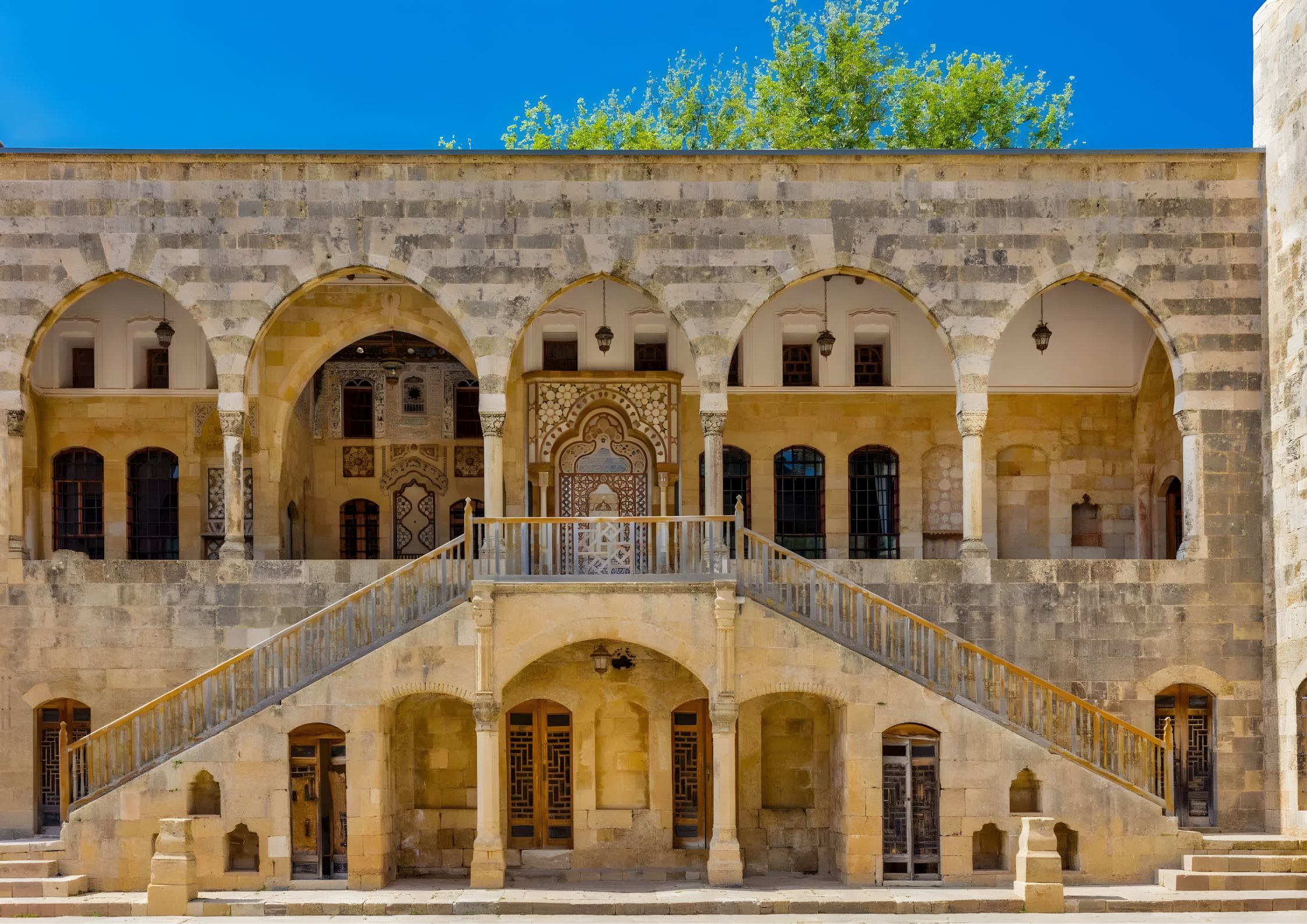
In the old stables of the magnificent Beiteddine Palace (+961 5 500 077) is a museum housing a collection of Byzantine mosaics.
Farhat Art Museum
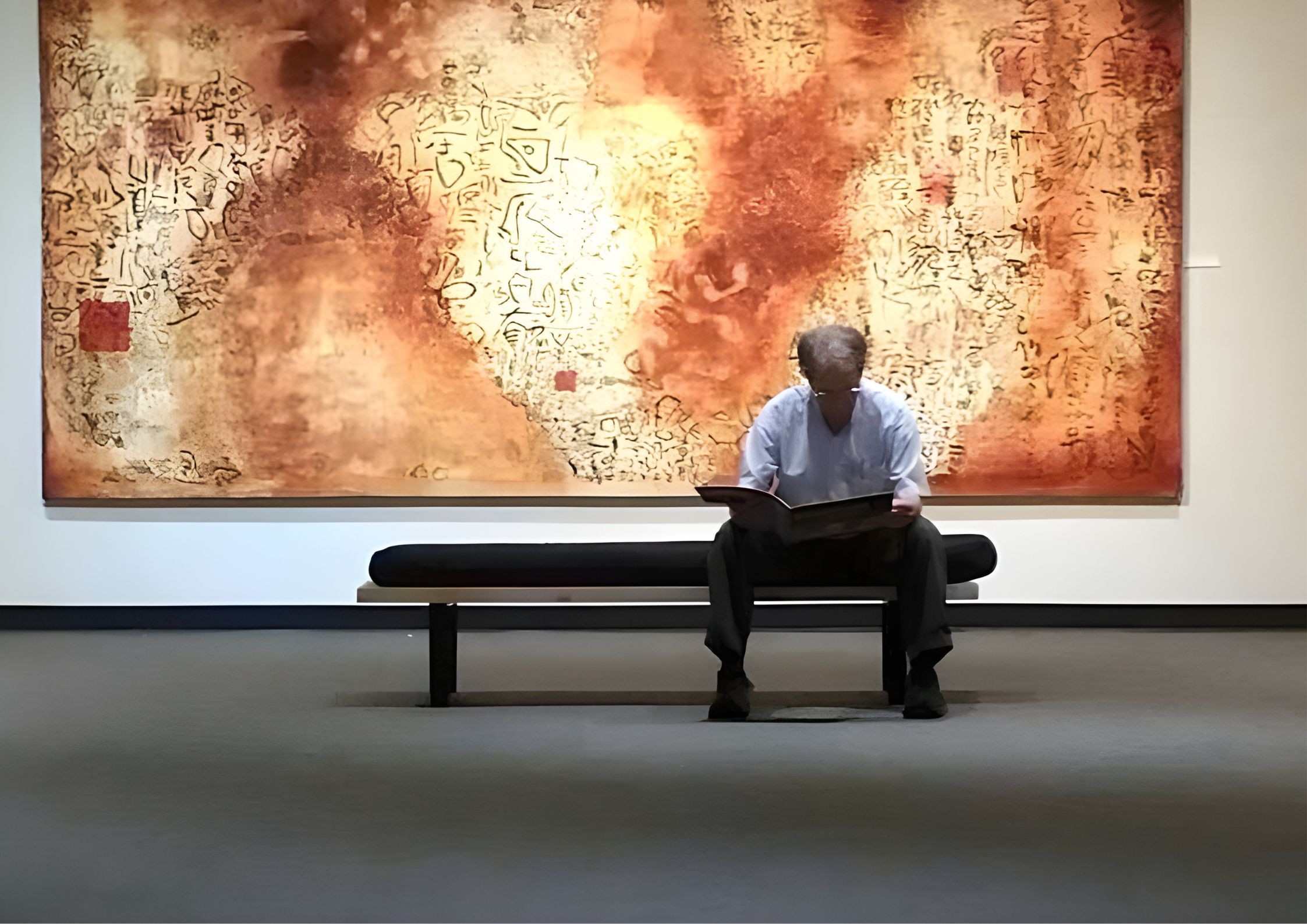
The Farhat Art Museum is a modern and contemporary Arab art museum brings into focus a collection of paintings, photographs and conceptual art constructions that best represent the powerful artistic expressions of contemporary Arab artists.
Bsous Silk Museum
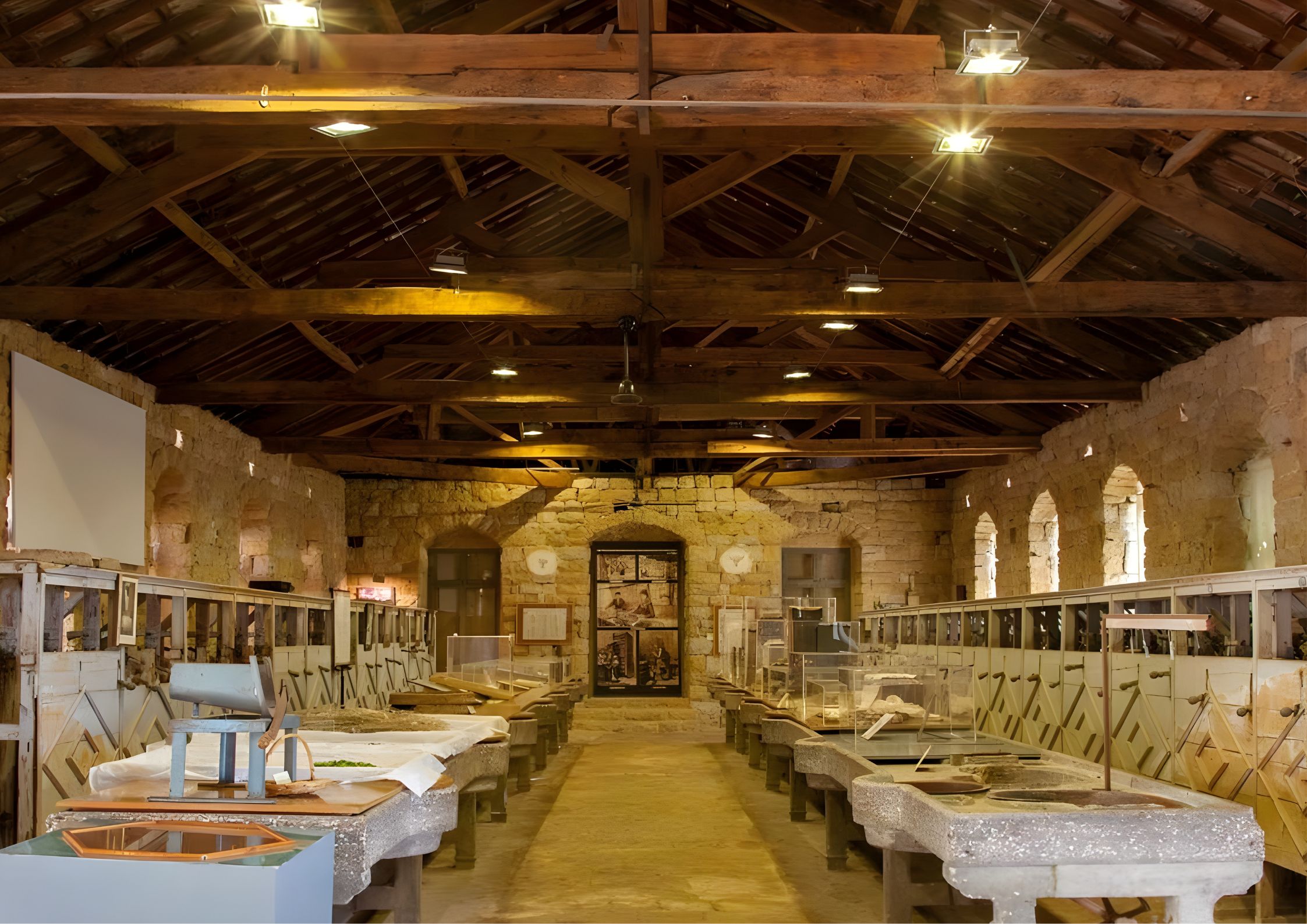
Bsous Silk Museum (+961 5 940 767) is housed in an old silk factory, where visitors can learn firsthand about this precious fabric, the art of its production and its history in the country. The museum is open from May to September.
Memory of Time
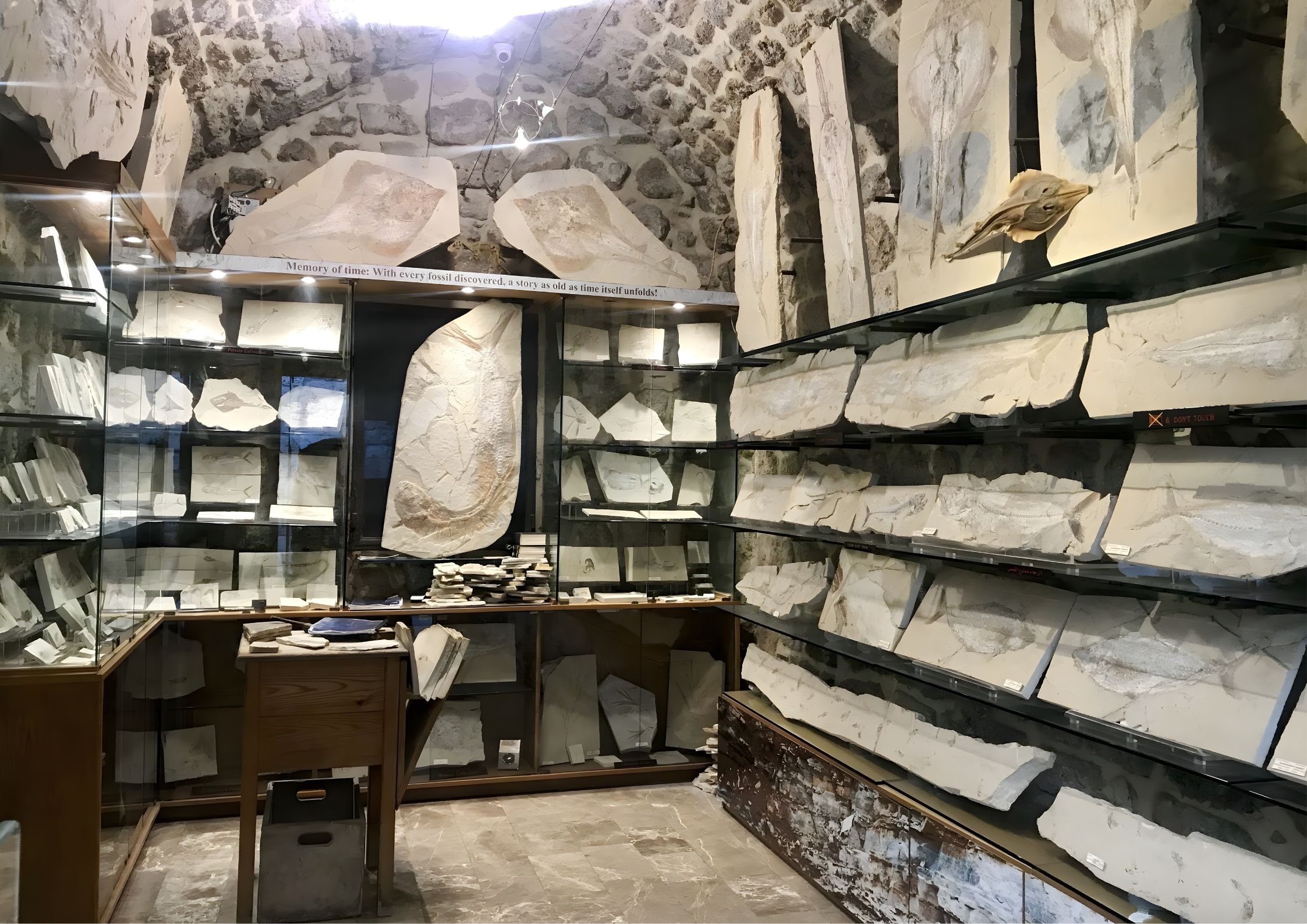
Discover the only fish fossils to emerge from the Middle East at Memory of Time (+961 9 540 555). Excavated from the paleontologist and shop-owner’s land, the fossils are incredibly detailed and available to purchase.
Byblos Wax Museum
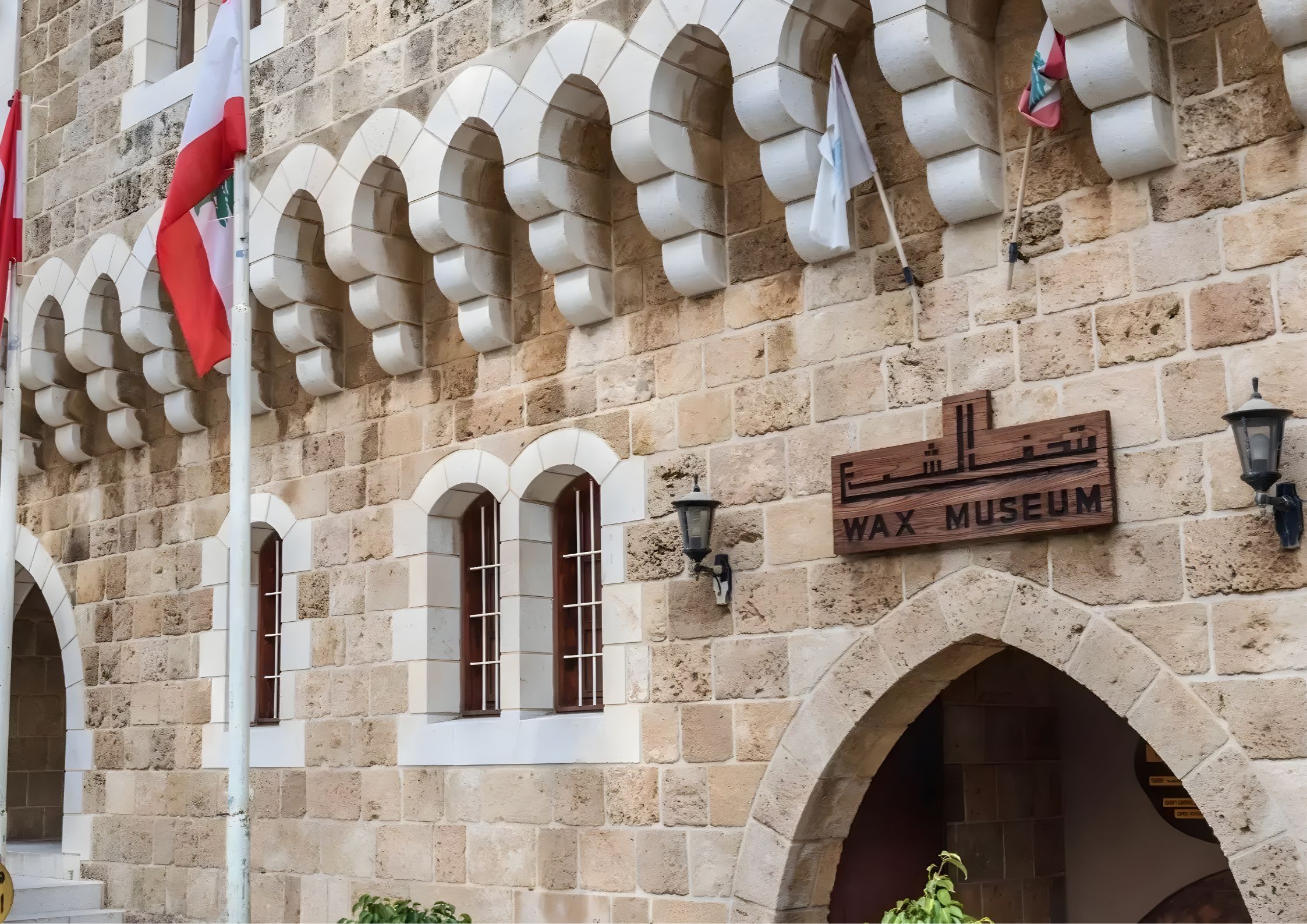
Wax statues and life scenes from the Phoenician era to the modern times is what you’ll find at the Byblos Wax Museum. Expect to see statues of famous figures in Lebanese history such as Gibran Khalil Gibran and Bechara El Khoury.
Lebanese Heritage Museum
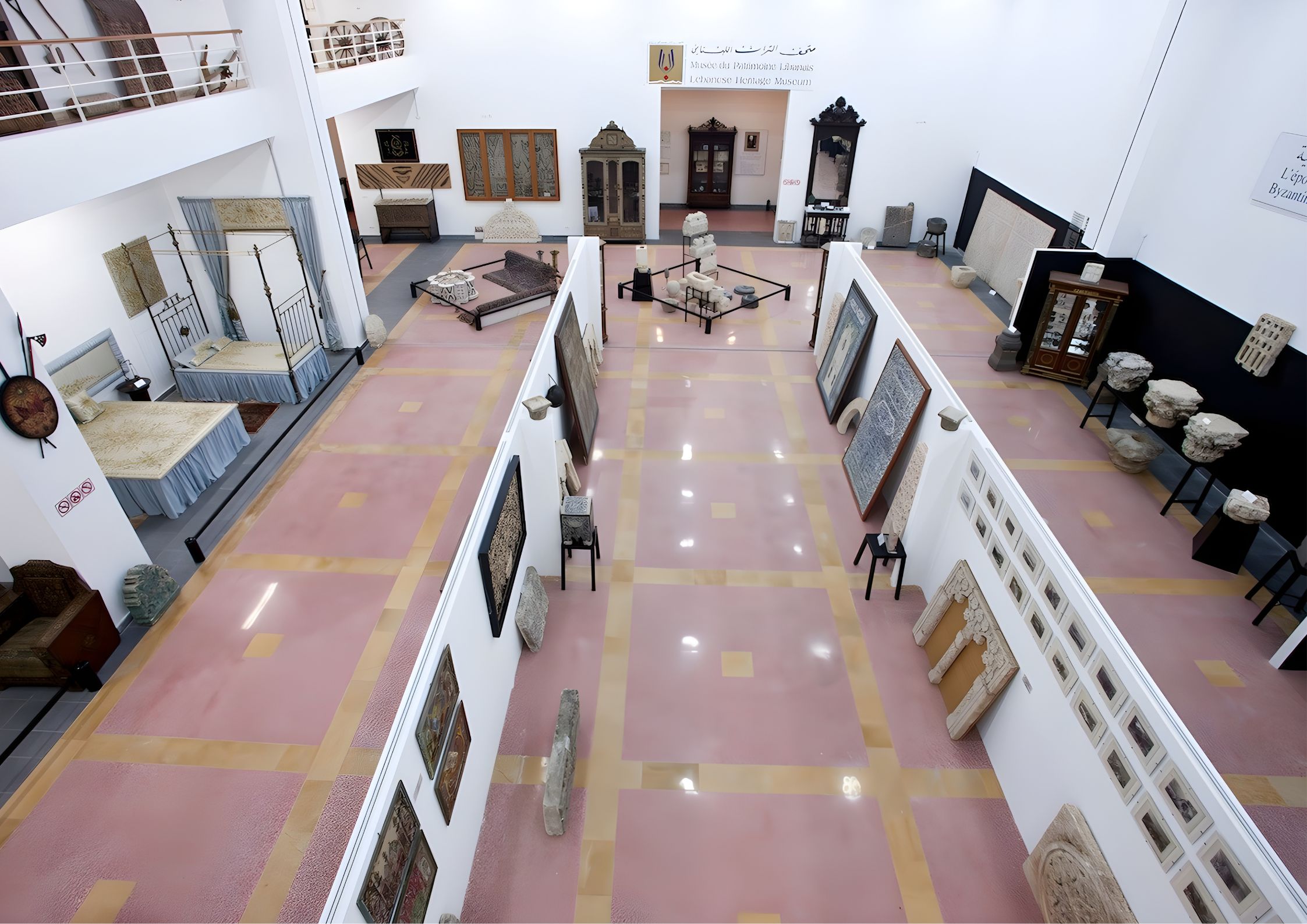
The Lebanese Heritage Museum (+961 1 421 860) comprises 14 sections covering every era of Lebanese history, including Phoenician, Roman, Byzantine and Islamic. The collection is extensive and includes Roman sarcophagi, ancient drinking vessels, Byzantine columns, decorative Islamic tiles and Ottoman weapons. A walk around the museum, leads you on a timeline through Lebanese history, giving insight into the civilizations that have left their impact.
Lebanese Marine & Wildlife Museum
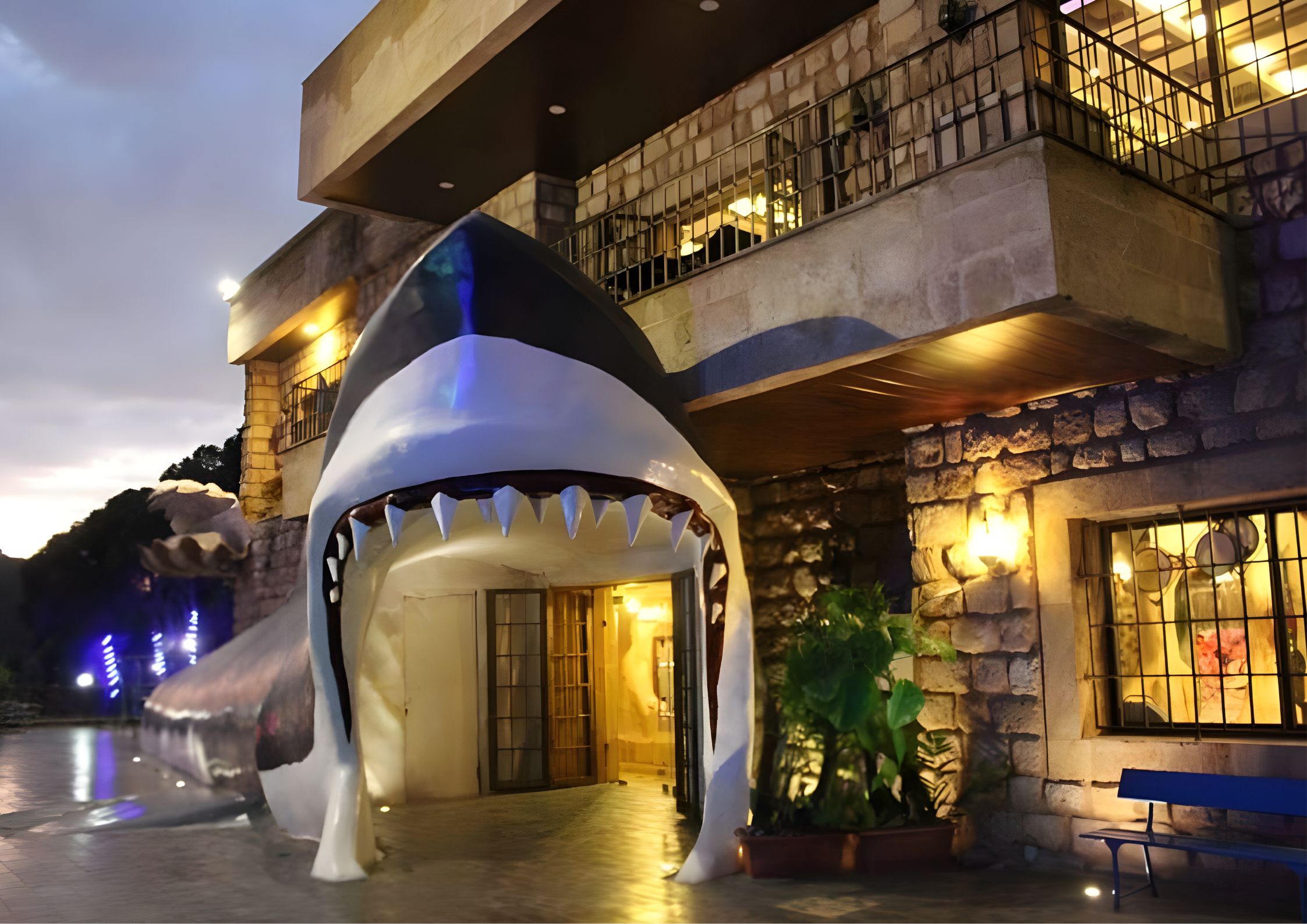
The Lebanese Marine and Wildlife Museum (+961 1 421 860) aims to teach and spread environmental awareness through its six exhibits containing over 6,000 specimens, including mummified sharks, dolphins, sea turtles and birds.
Modern & Contemporary Art Museum (MACAM)
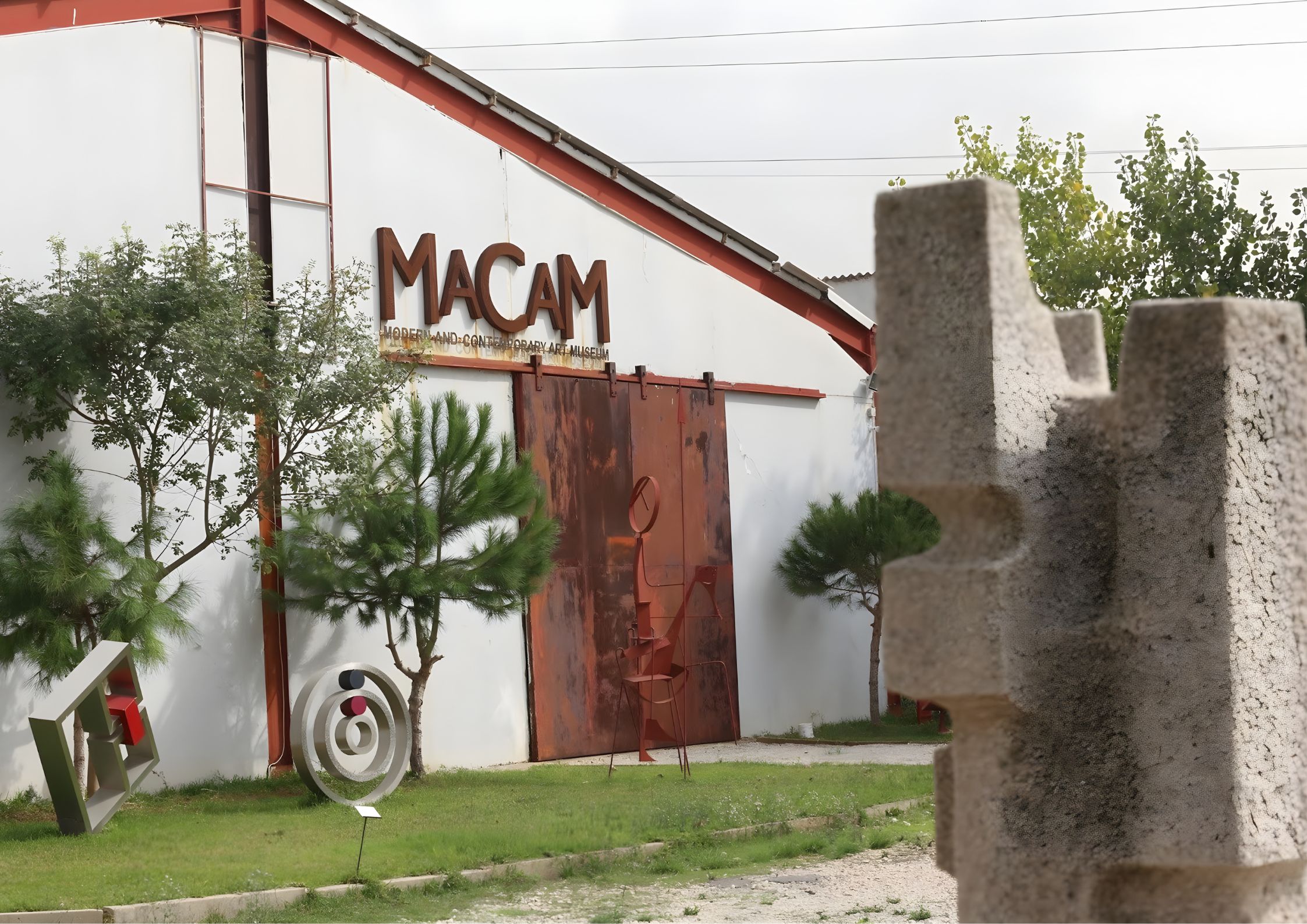
Surrounded by nature, MACAM (+961 3 322 432) is the first contemporary art museum in Lebanon dedicated to preserving, documenting and exhibiting art in the country. An independent non-profit society transformed the building, which was once a factory complex, into a dynamic museum in 2013.
Mtein Museum of Arts
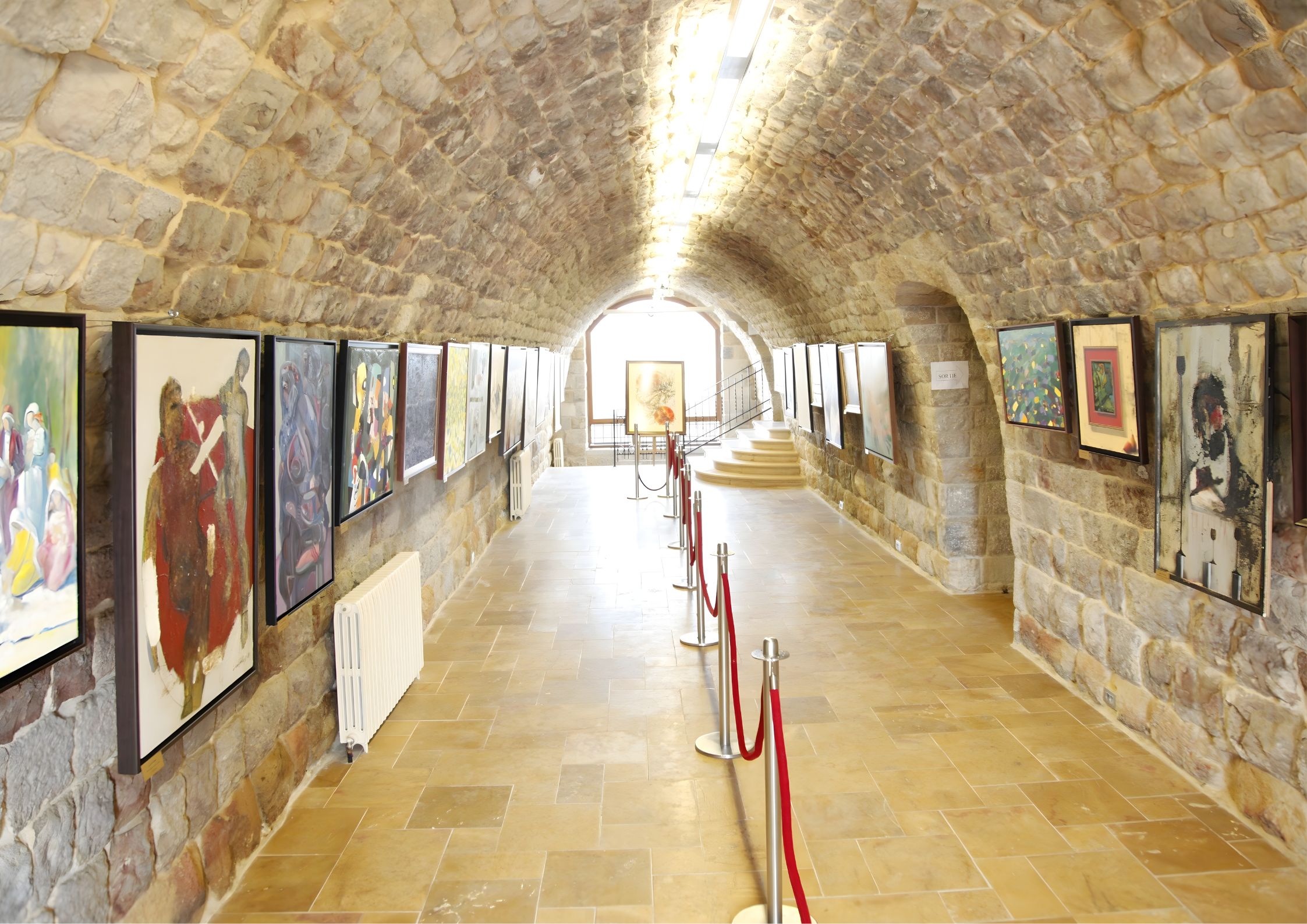
Launched in 2013, the Mtein Museum of Arts (+961 76 036 180) showcases over 60 works of art donated by Lebanese and foreign artists. The museum was an initiative launched by the municipality with the townspeople of Mtein to restore the town’s old spaces and preserve its culture and heritage.
Museum of George Khairallah
The George Khairallah Museum contains a hundred works and articles pertaining to the great painter. Khairallah’s works have toured the world, making his museum a must-see for those visiting Mtein.
NORTH LEBANON
Alfred Basbous Museum
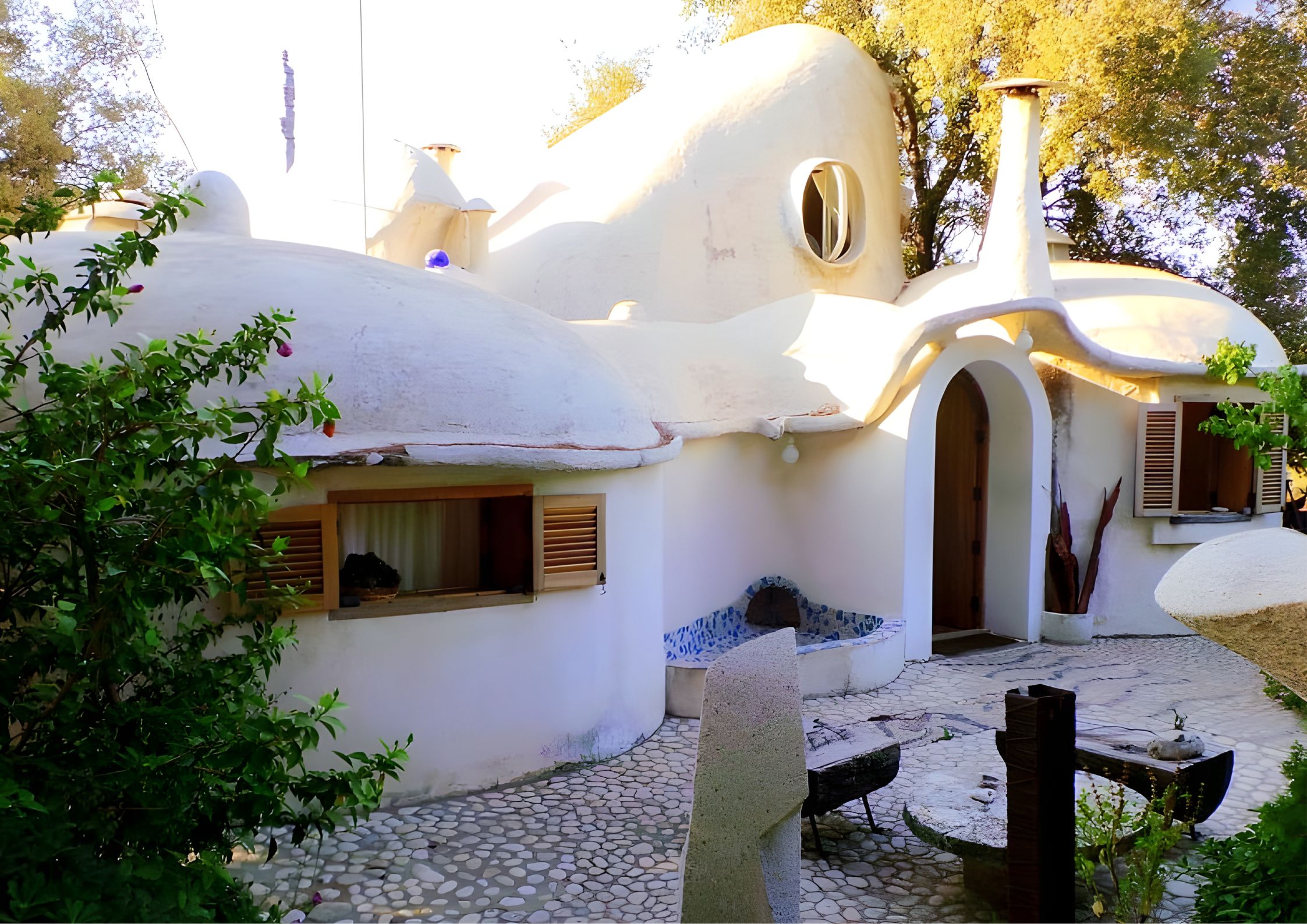
Located in the northern village of Rachana, the Basbous Museum (+961 3 033 099) showcases the work of Michel, Youssef and Alfred Basbous. It is an open-air museum where one can admire seemingly fictional sculptures made of materials such as bronze, wood and marble.
Gibran Museum
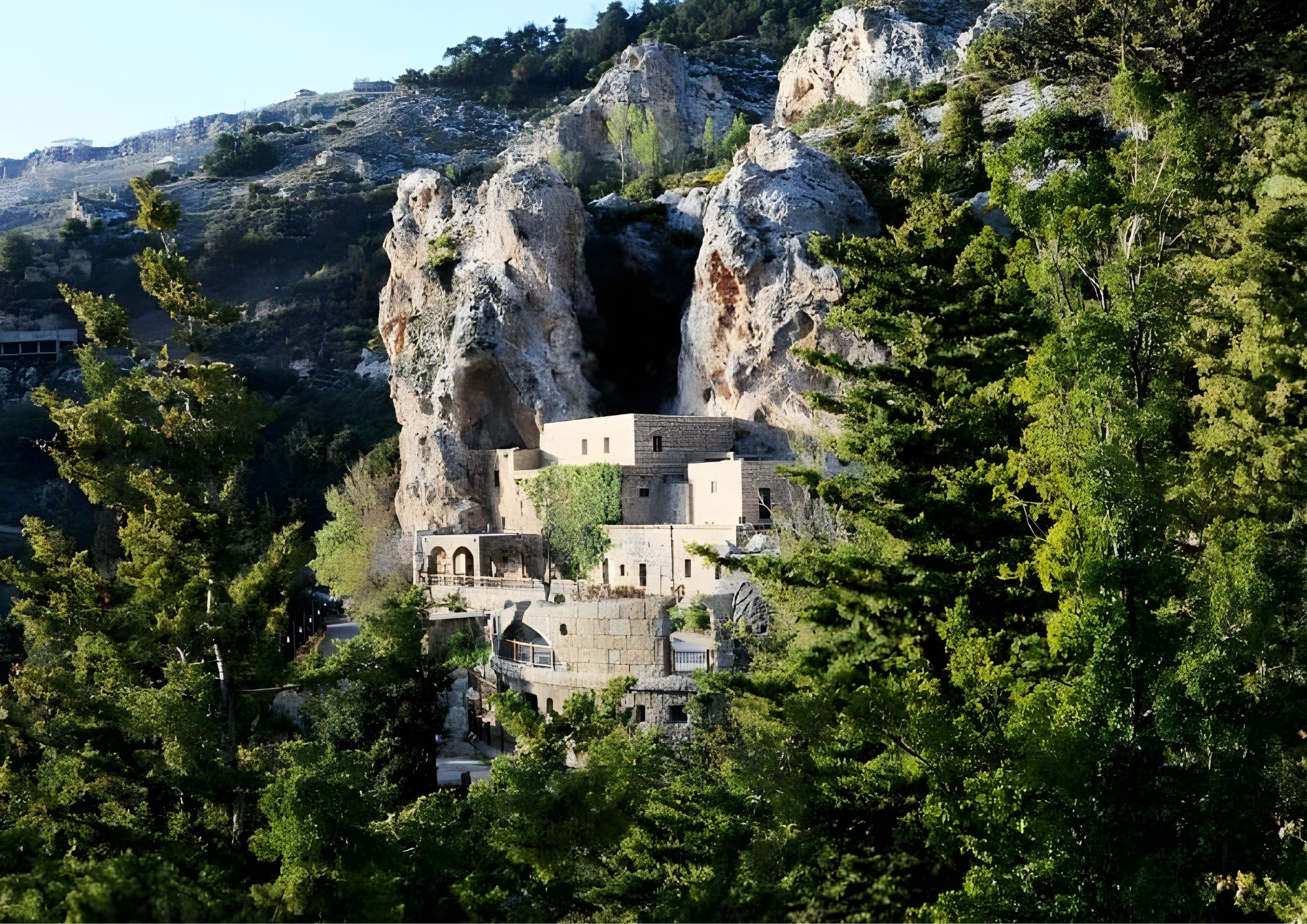
Arguably one of the most well-known literary masterminds, Gibran Khalil Gibran’s legacy lives on at the Gibran Museum (+961 6 671 137) in Bcharre, North Lebanon. Set in what was an ancient monastery carved into the rock, the museum showcases the contents of Gibran’s New York studio, his private library, along with manuscripts and around 440 original paintings that have been restored. It is also where he is buried.
Nabu Museum
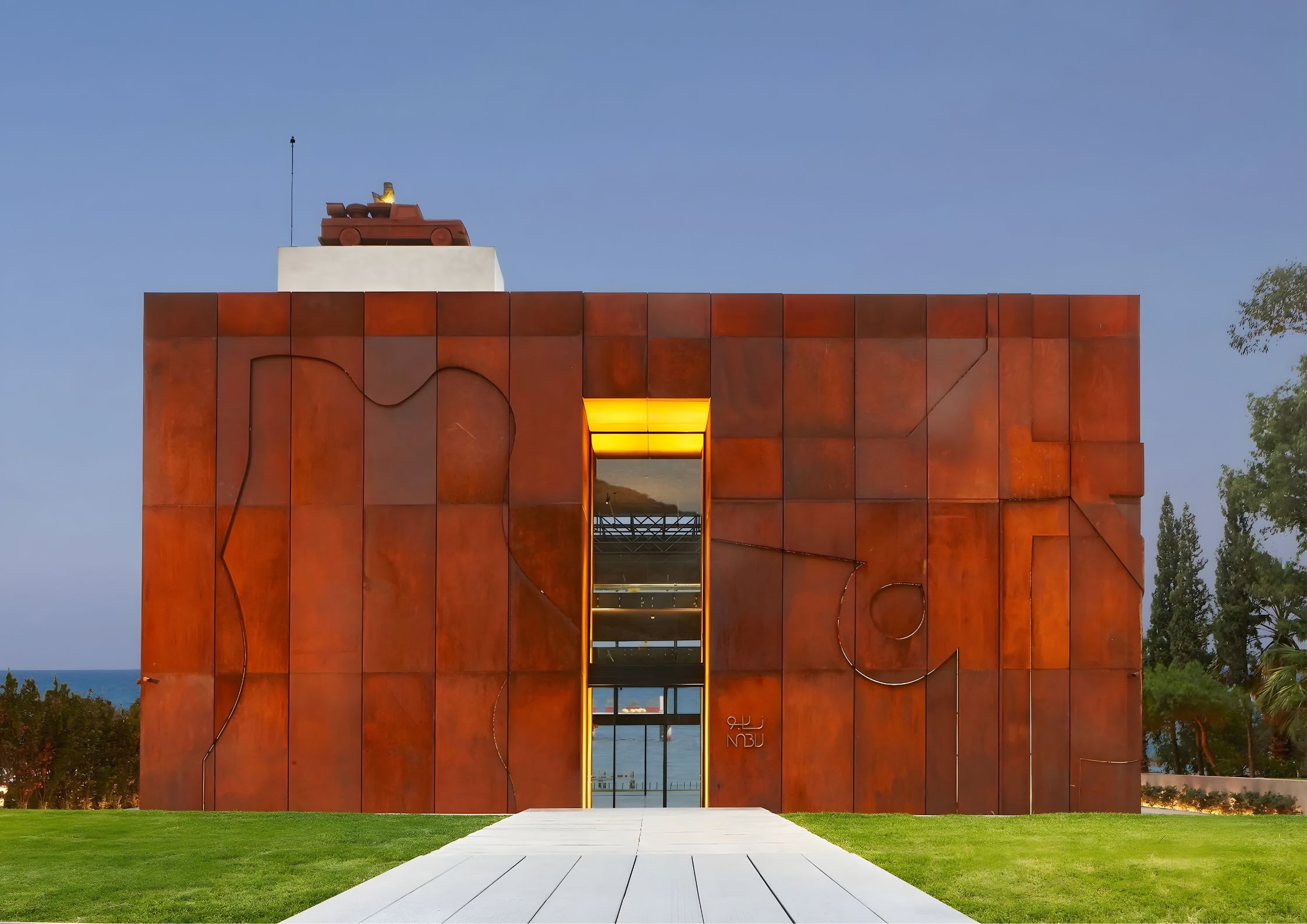
Seeking to exhibit the cultural wealth of Lebanon and the region, the Nabu Museum (+961 26 541 341) — which opened in El Heri in 2018 — is home to hundreds of regional artifacts and modern artworks. The founders intend to hold two to three exhibitions yearly with unseen works from their personal collections.
SOUTH LEBANON
Moussa Tiba Museum
Moussa Tiba’s family home in Cana has been converted into a the Moussa Tiba Museum ( +961 7 430 149 / 3 568 925), which displays around 300 of his works. The museum also exhibits the works of important foreign and Lebanese artists, such as Shafiq Abboud, Halim Jurdak and Hussein Madi.
Saida Soap Museum
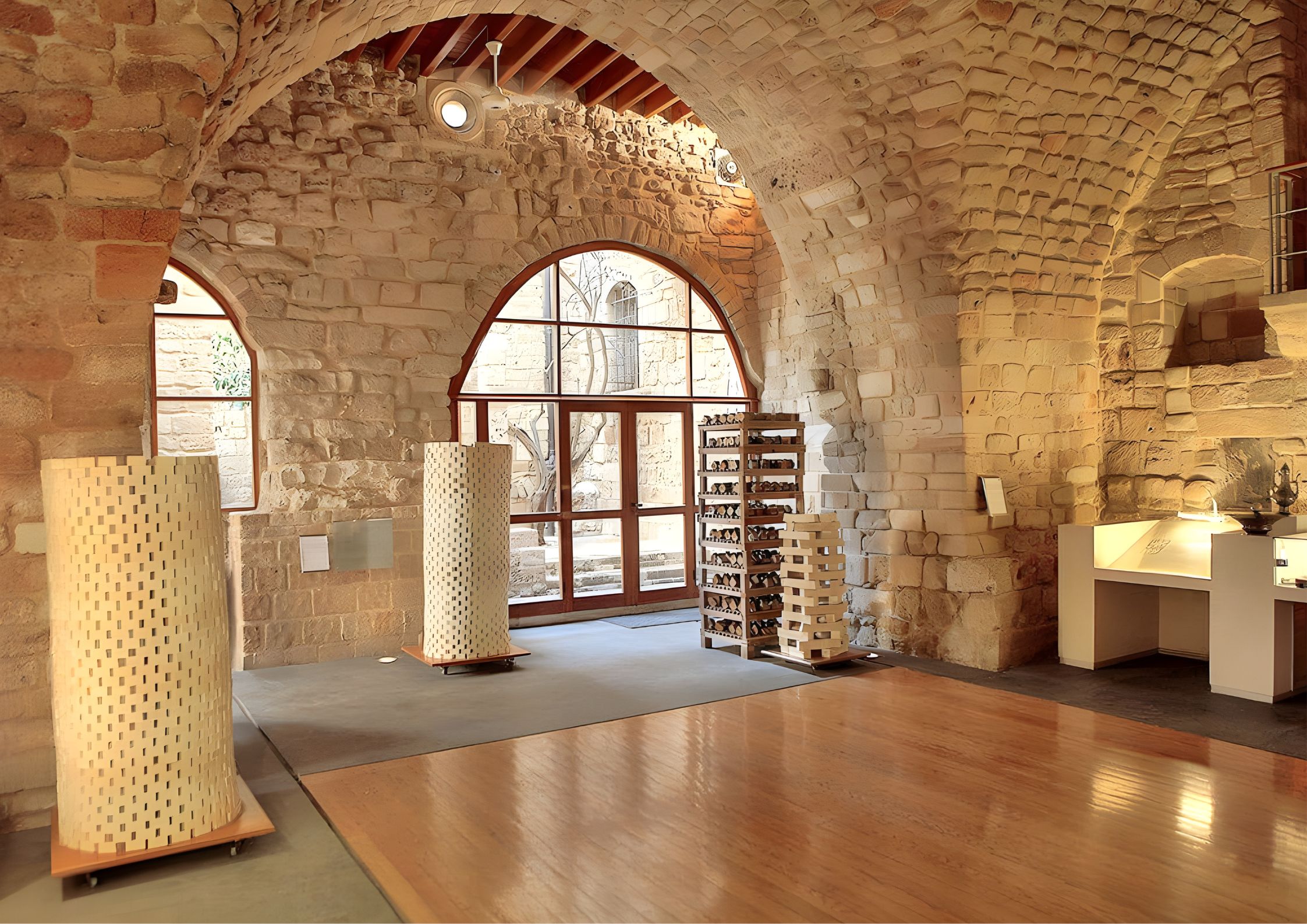
Located in the old city, the 13th century stone building housing the Saida Soap Museum (+961 7 733 353) was once a soap factory producing soap, meeting the needs of the region’s hammams, before its transformation into a thematic museum. The museum beautifully illustrates the history of soap making and how it has developed over time. Visitors can also learn about the production of traditional olive oil soaps.
BEKAA
Baalbeck Site Museum
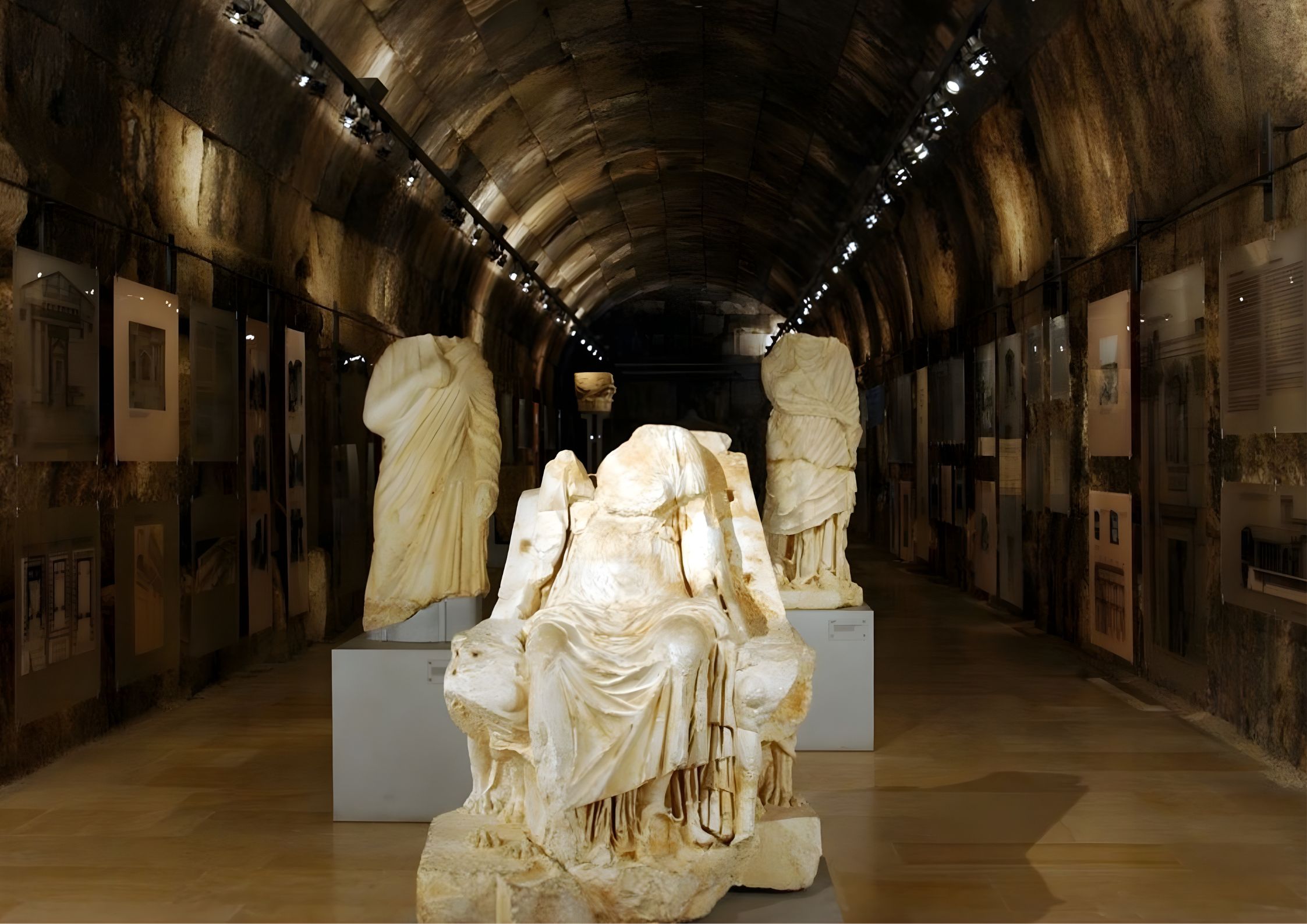
The Baalbeck Site Museum (+961 8 370 520) was founded in 1998 and contains various archaeological finds — statues, mosaics, sarcophagi, ceramics and more.
Terbol Museum
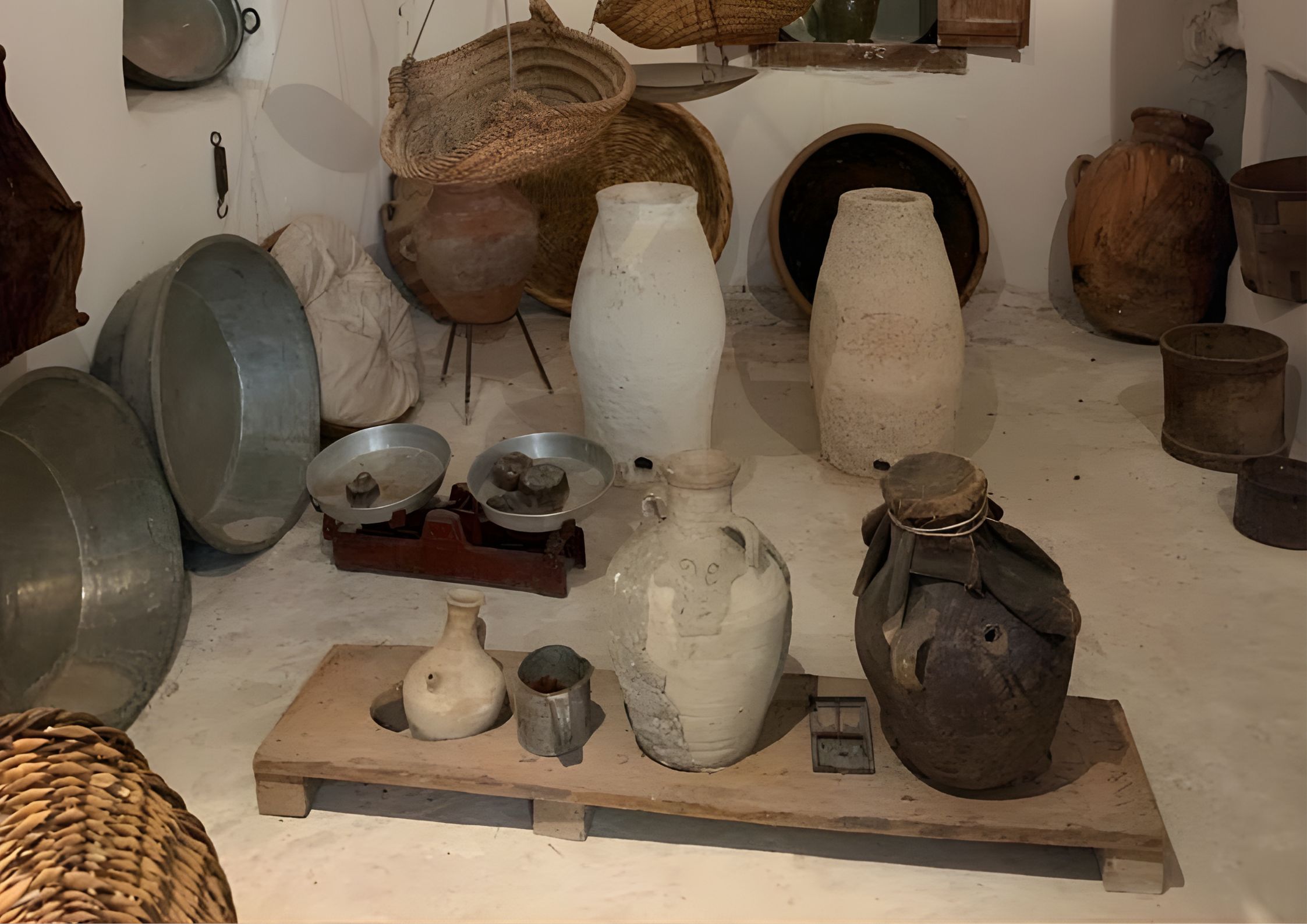
The Terbol Museum (+961 5 455 104) opened its doors to the pubic in 2004 primarily for the sake of preserving an icon of rural vernacular architecture but also to keep the remnants of a traditional way of life from disappearing altogether. The museum also displays a collection of regional ethnographical and historical agricultural tools. It is open from May to November.
If you enjoyed reading this, check out our Google Maps for more cultural destinations around Lebanon.
Loading