




Making waves both in and out of the pool, Lebanese Olympian Lynn Hajj has carved her path through dedication, discipline and sheer speed. From early mornings at the lanes to representing Lebanon on the world stage, her journey is one of relentless strokes, powerful turns and a heart that never stops racing toward her dreams.
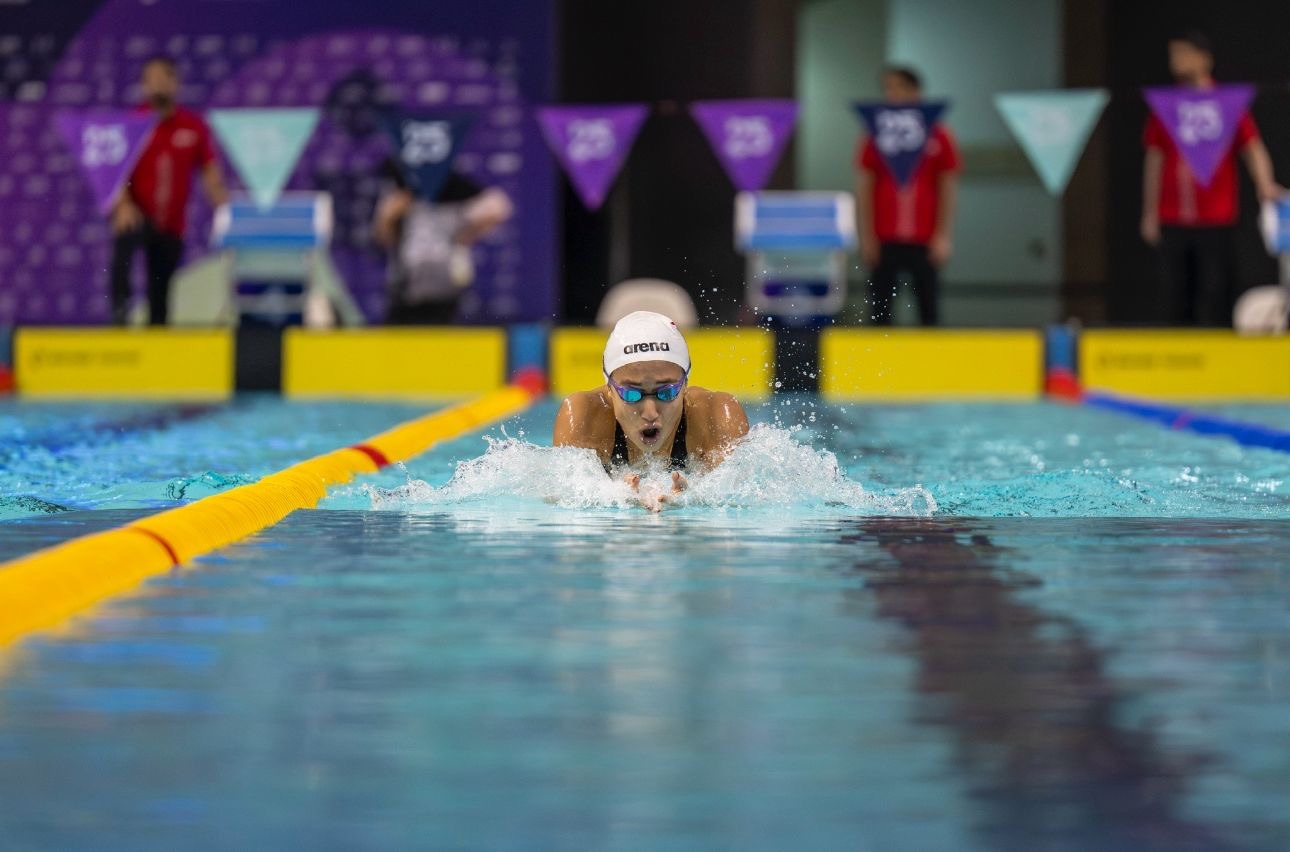
What first drew you to swimming and how did your journey begin in Lebanon?
I was introduced to this sport at the age of three by my parents, primarily for safety reasons. Over time, I began attending practices more regularly and training more seriously. By the age of seven, I joined my school swim team at the International College (IC) and started competing both in Lebanon and abroad.
At the age of nine, I participated in a school competition in France and performed very well. As a result, Mazen Fathallah — my first coach at age three and the coach of my school team — helped me join my current club, Al Jazeera. There, under the guidance of head coach Francois Ghattas, I received the training and support that ultimately helped me reach the Olympics.
What has been your proudest moment representing Lebanon in swimming competitions?
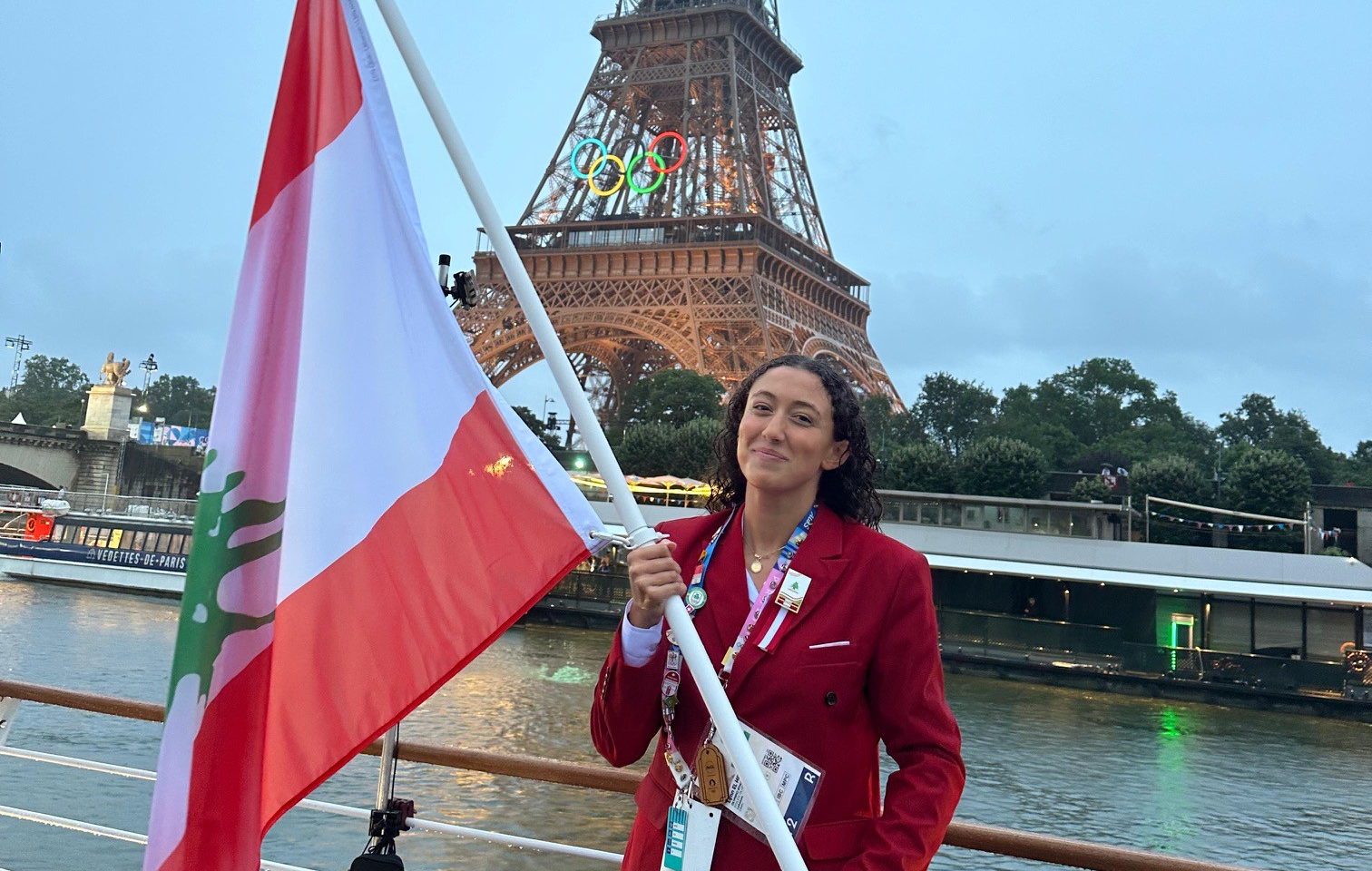
It’s always a proud moment to swim under the Lebanese flag. The pride and confidence it gives each athlete—knowing you have a strong support system back home despite Lebanon being a small country—is truly an honor. Competing at the Olympics and seeing how a small country can stand alongside much larger and stronger nations was an incredible experience, one that I will always hold close to my heart.
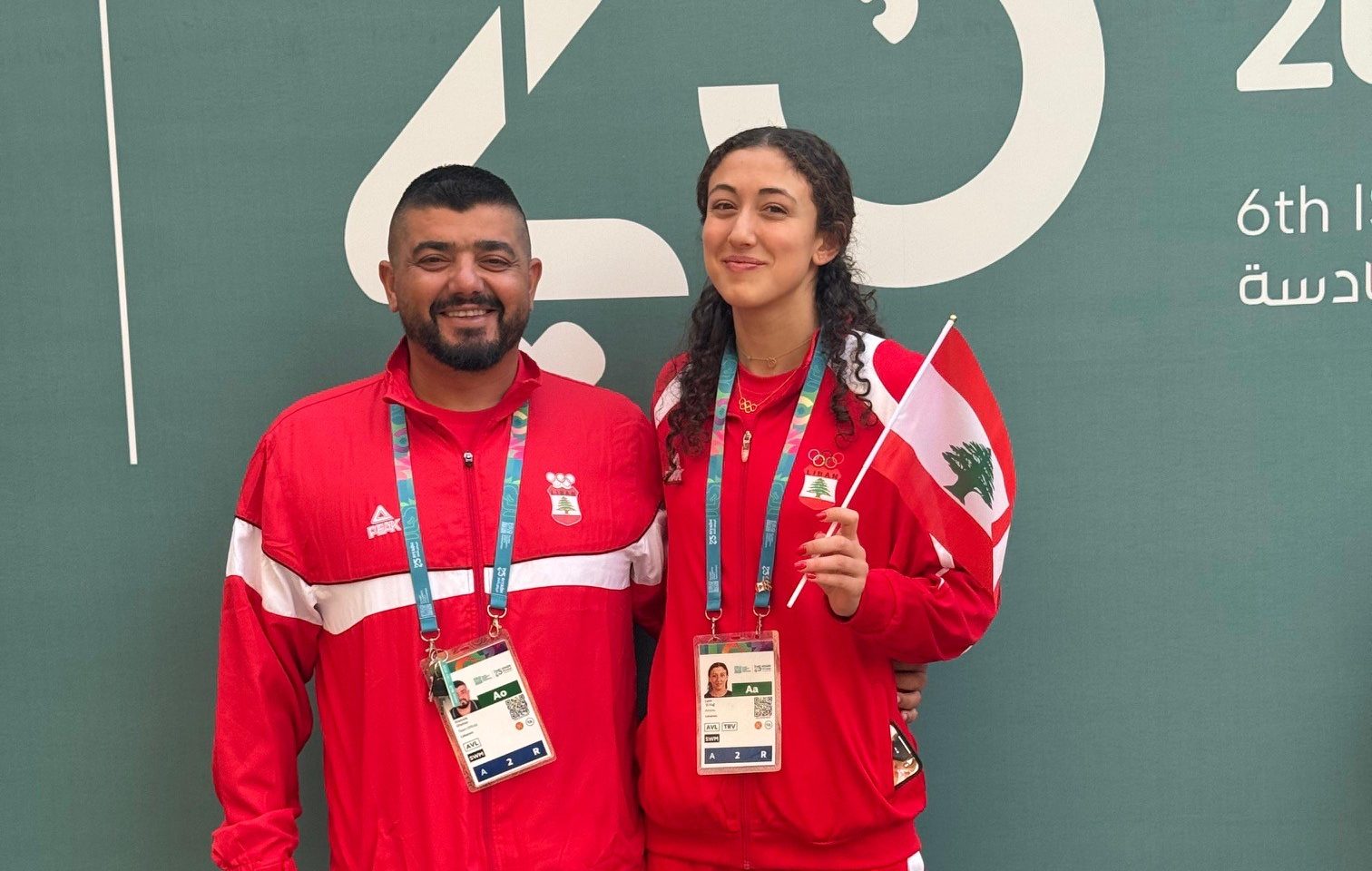
How do you prepare mentally and physically for high-level competitions?
Swimming is truly a very mentally challenging sport. We travel a lot throughout the year to compete abroad, and these competitions help prepare me mentally for bigger challenges, such as the Olympic Games or World Championships. Visualizing my races and focusing on my breathing before a race also helps me stay calm and focused.
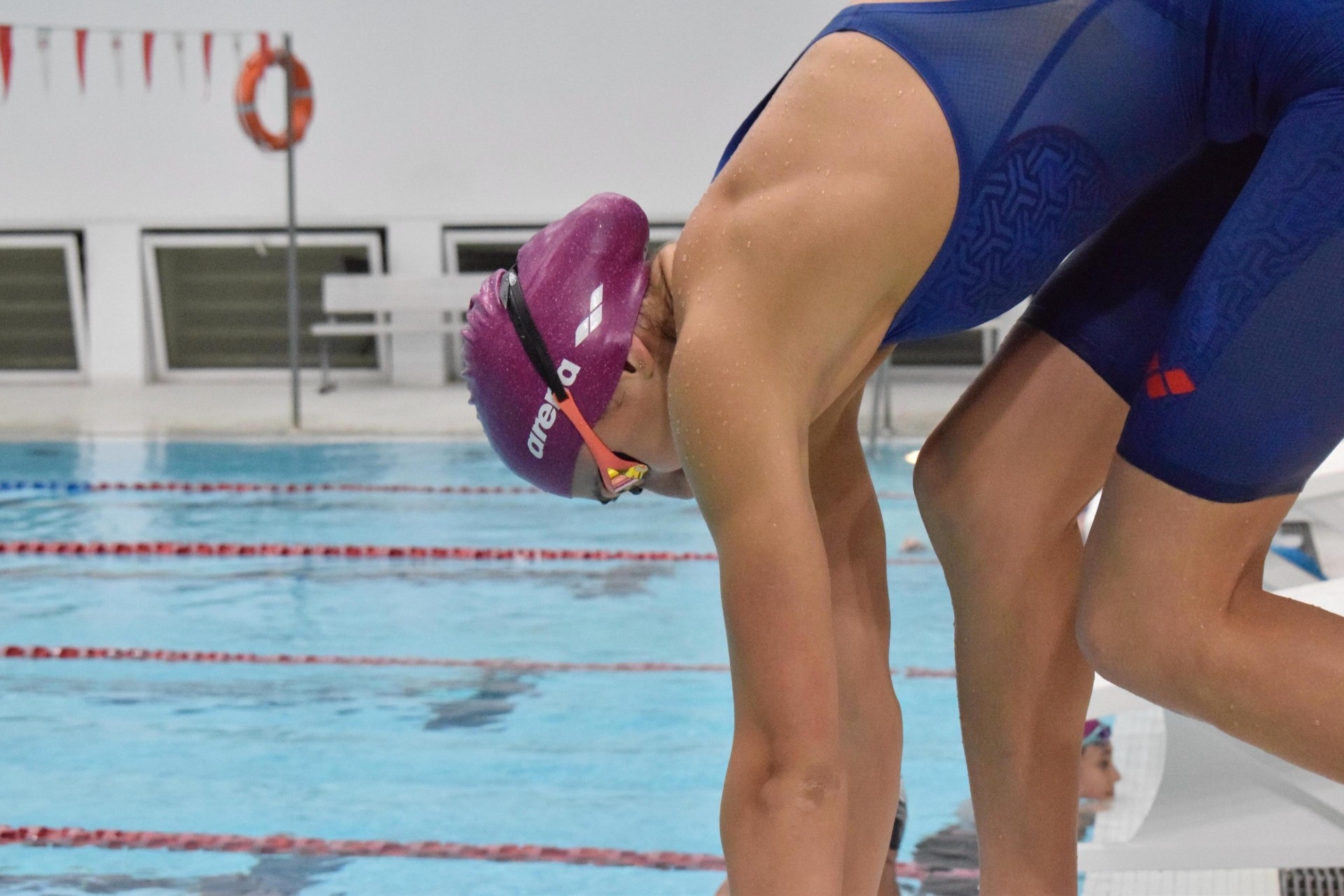
Physically, I train twelve times a week—nine swimming sessions and three gym sessions—plus physiotherapy once or twice a week, depending on how my body feels. I also pay close attention to my nutrition to make sure my body stays fueled for the season’s toughest workouts.
What do you miss most when you are away from home, and what’s the first thing you do when you return to Lebanon from a competition?
I probably miss my family and friends the most. When I’m traveling for competitions, I don’t use my phone regularly or answer messages often, so they are my main support system. The first thing I usually do when I return to Lebanon is indulge a little—maybe enjoy some fast food or chocolate—before getting back to my regular diet and training routine.
If you could compete anywhere in the world, where would it be?
I would really like to compete in the U.S. because of the high level of athletes there. I know the competition would be very tough, but I feel like that’s the best part of the race.
Do you have any pre-race rituals?
On the day of my 100 breaststroke, I make sure to eat a Reese’s bar, and the night before my 50 breaststroke, I always have a big dessert.
What do you do to unwind?
Probably going out with my friends and family. It really helps me disconnect from being a competitive athlete and allows me to just be myself.
If you weren’t a professional swimmer, what other sport would you love to try competitively?
I would really like to try track, specifically sprinting, because I think it would be a lot of fun. For a team sport, I’d probably choose volleyball.
If you enjoyed reading this, check out our interview with Lebanese Olympic skier Manon Ouaiss.
Loading