



Marilyne Naaman has been redefining what it means to be a Lebanese artist in a global context. With a voice that seamlessly fuses Oriental melodies and Western pop and an acting career that brings Lebanese stories to life, Naaman embodies a generation that honors its roots while embracing the world. In this exclusive interview, she opens up about her artistic journey, what Lebanon means to her and the projects shaping her path.
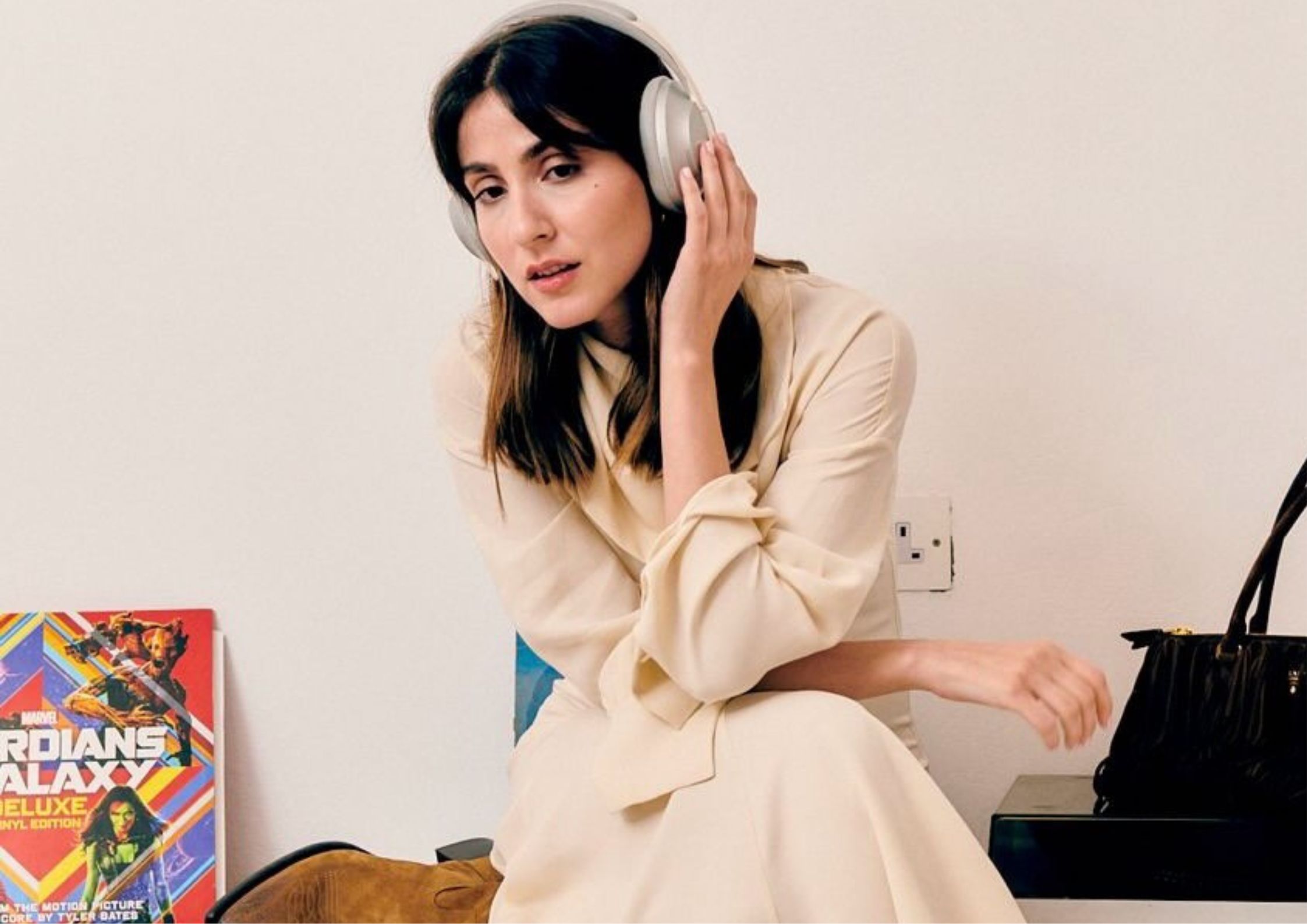
Your music often blends Oriental traditional elements with Western pop. How does your Lebanese heritage shape your artistic voice and the way you fuse these influences?
Everything I grew up hearing has influenced me profoundly — what I listened to as a child and continue to listen to today shapes the way I sing and express myself. I’m proud to have found a way to convey my emotions primarily through Lebanese words which gives my music authenticity and a unique identity. These influences come naturally and unconsciously, coloring both the language I sing in and the style of the music itself.
During your time on “The Voice France,” you described the show as a “platform of freedom.” What did that experience teach you about self-expression?
Being on “The Voice France” offered immense freedom. There was no pressure to fit a mold — talent was recognized as it was, and we were free to express ourselves in our own way. It was an eye-opening experience, helping me discover new facets of my voice and personality. It strengthened my desire to merge Eastern and Western musical influences and to confidently share my Lebanese identity internationally.
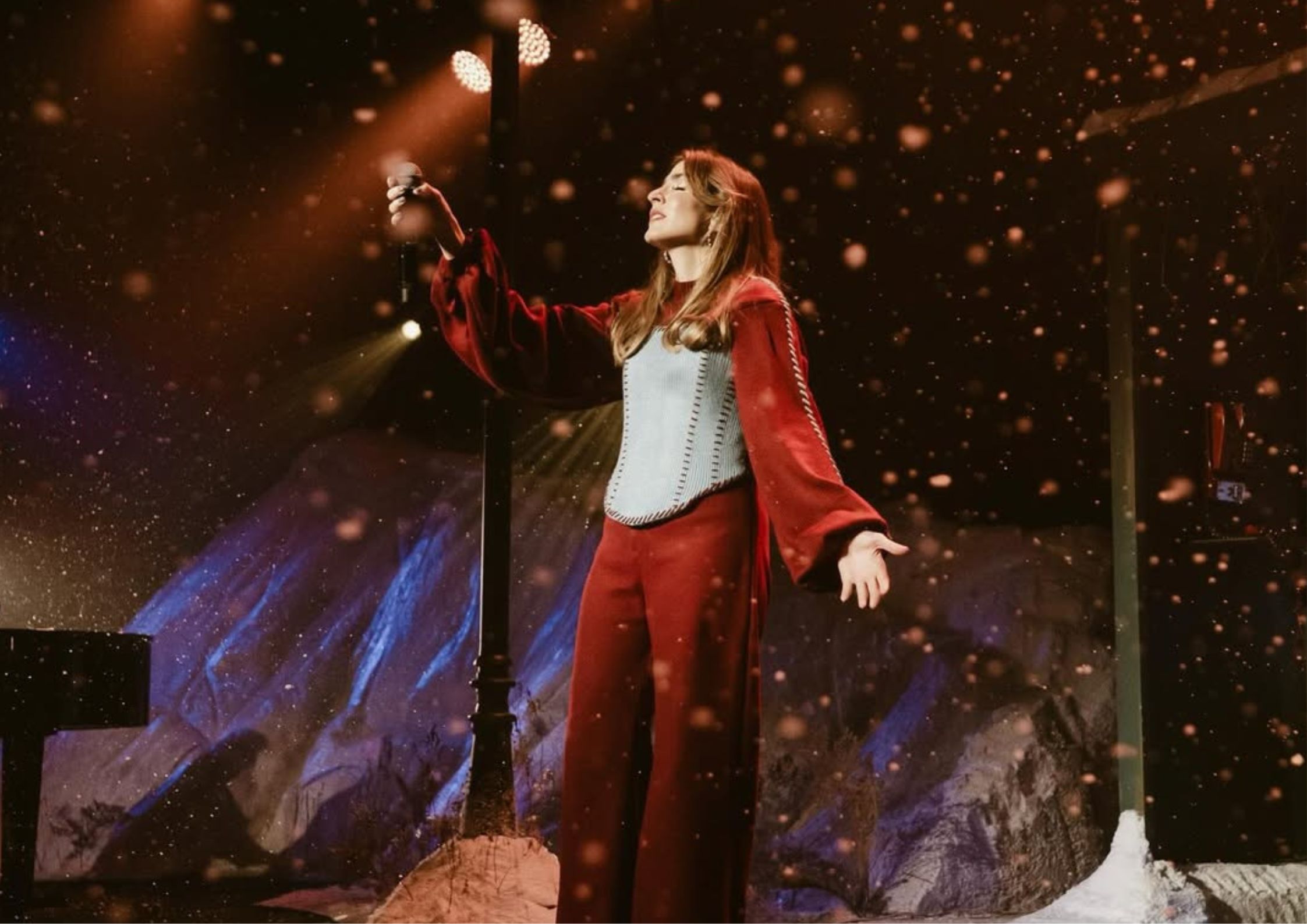
You’ve acted in diverse projects, from short films to feature films. What draws you to a particular role?
It’s the script, the story and the character. I ask myself if the role is interesting, whether I’ll enjoy playing it and if it will challenge me professionally. If the character offers depth, requires research or contributes meaningfully to my growth as an artist, it immediately catches my attention.
In “Mother Valley” (La Nuit du Verre d’Eau), you play Layla in a story deeply rooted in Lebanese history. How did you prepare for this role and what personal significance does it carry for you?
Preparing for Layla was a beautiful process. The director had spent years developing the script and characters which allowed me to explore every question and detail in depth. This role holds personal significance for me. I’m proud to bring a part of Lebanese history to life and to contribute to telling our stories authentically.
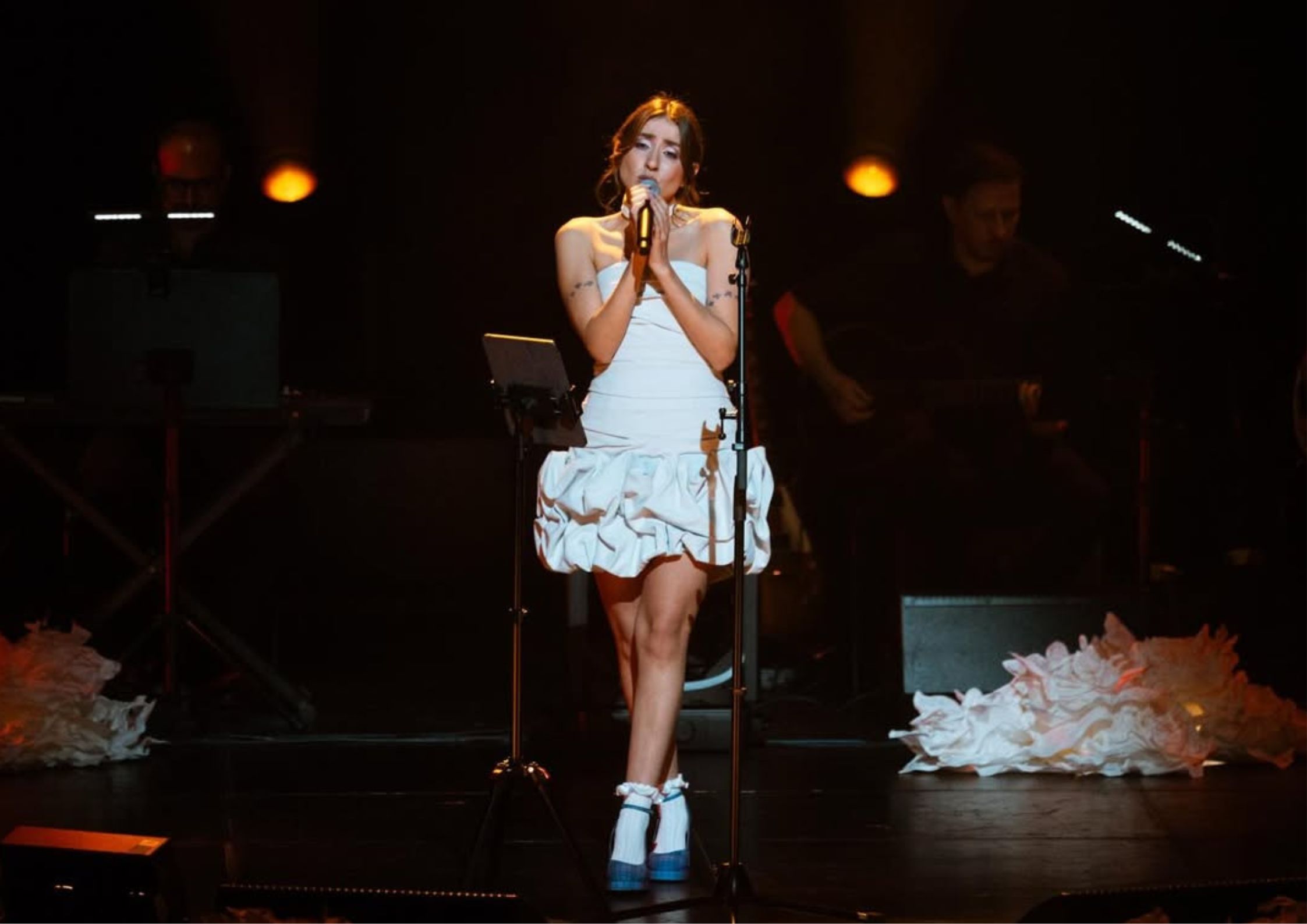
You’ve mentioned that the rapid rise of your career can feel overwhelming at times. How do you keep yourself grounded and maintain authenticity under that kind of pressure?
Honestly, I don’t always manage it perfectly. The momentum and pressure of this career can be intense. But I’m aware of it and constantly trying to carve time for myself. As for authenticity, that’s non-negotiable for me. I’ve committed to being honest in both my art and life no matter the challenges.
Where and how do you like to decompress and disconnect when you are not working?
I love travel, discovery and history. Sometimes I also simply “run away” from work because the demands of the industry — decisions, business, commitments — can be overwhelming. Moments of exploration and reflection help me recharge.
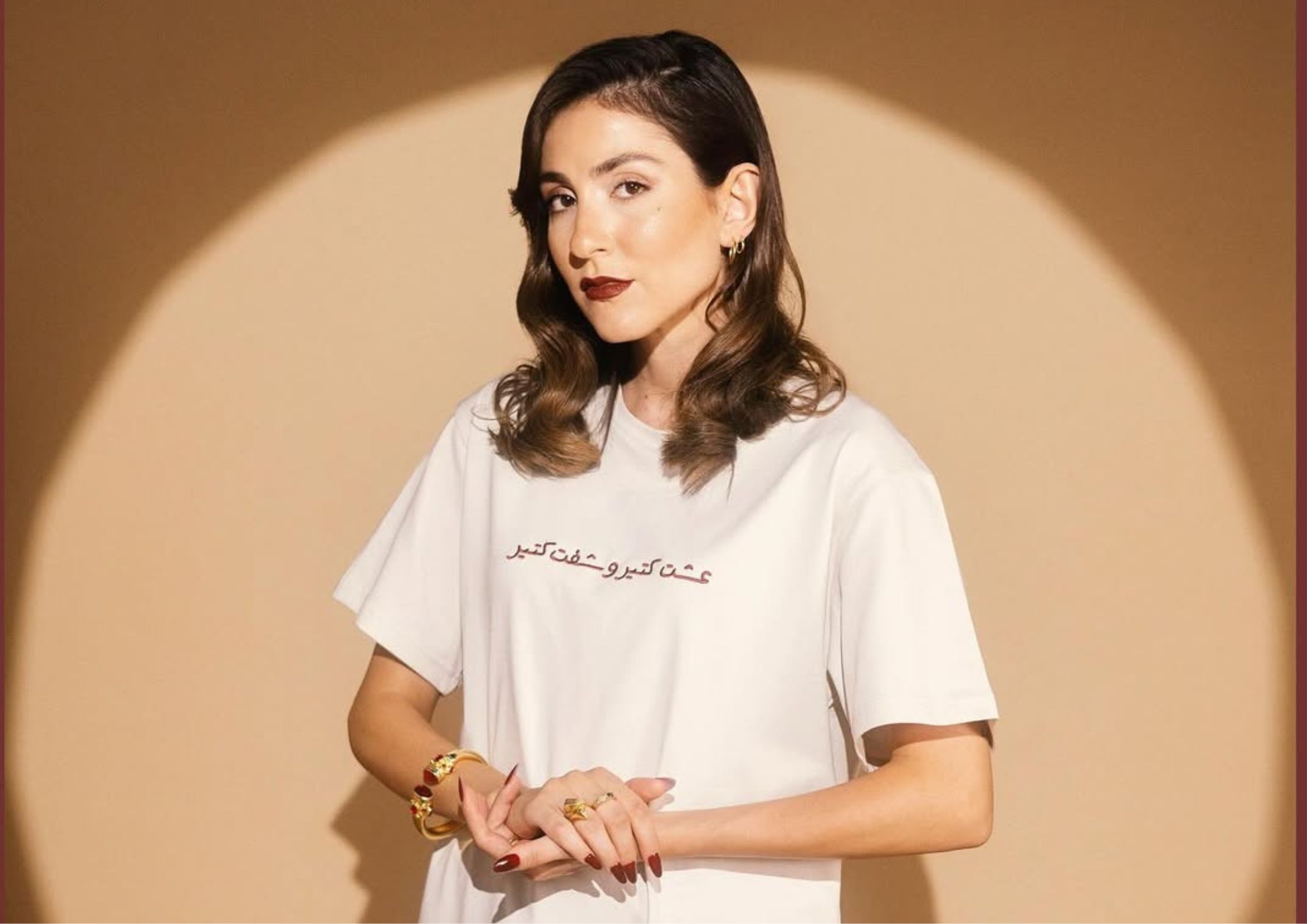
Beirut often appears as a source of inspiration in your interviews. Is there a specific memory or place in Beirut that has strongly influenced your music or your approach to acting?
Beirut inspires me constantly. The city’s energy, culture and resilience shape my artistic perspective in both music and acting.
How would you describe your relationship with Lebanon? What do you miss most when you are away?
I’ve had a complex relationship with Lebanon, like many of us, full of love and frustration. Over time, I realized that anger wouldn’t bring change, so I’ve focused on contributing positively through my work. And honestly? I miss the hummus the most when I’m away!
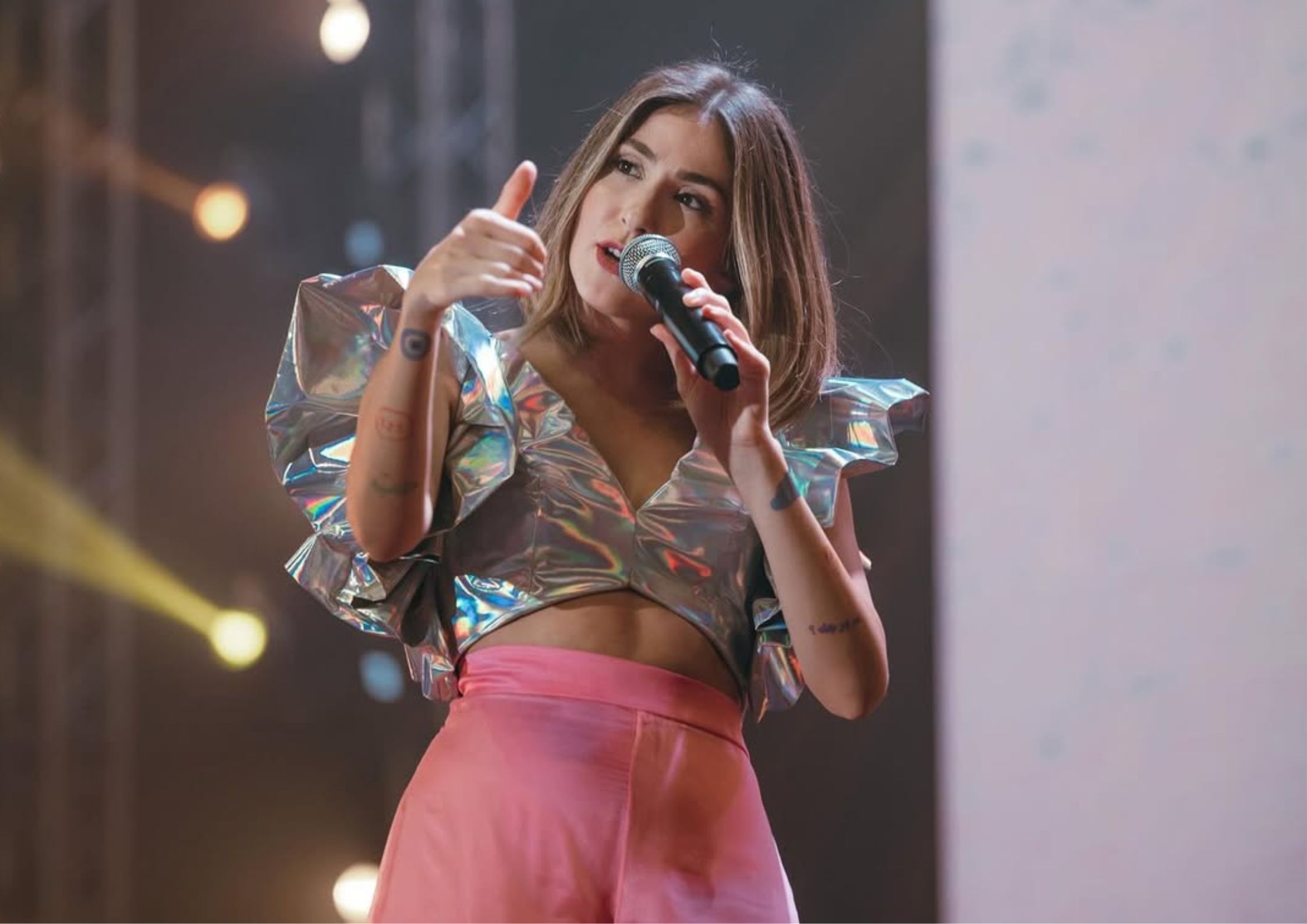
Which Lebanese actor or singer do you most admire and how have they influenced your journey?
Lebanon is full of remarkable talent, but I have a special admiration for Fairuz. Discovering her voice and presence as a child left a lasting impact on me. Her dedication and artistry shaped how I approach my own music, my standards and my commitment to authenticity.
Looking ahead, what projects are you working on?
I’m currently focused on an album that’s very close to my heart. While other exciting opportunities may come up in 2026, the album has a special place for me, and I’m dedicating myself fully to it.
If you enjoyed reading this, check out our interview with Lebanese actor, director and producer Georges Khabbaz.
Loading