

For three days, Lebanon followed the movements of Pope Leo XIV as he crossed the country from Beirut to the mountains and back to the sea, meeting officials, religious figures, youth, patients and families affected by loss. Everywhere he went, large crowds gathered and the same message echoed throughout the visit: peace, dialogue and unity.
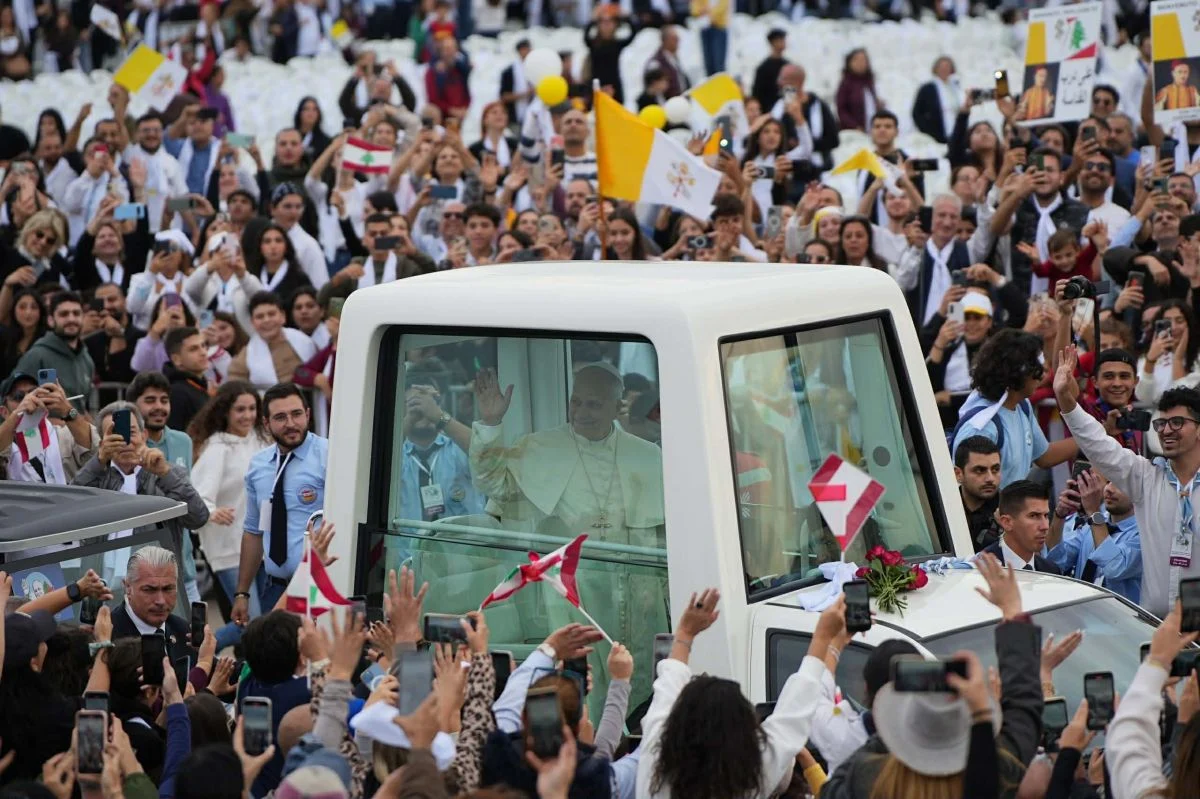
Pope Leo’s arrival: dabke under the rain
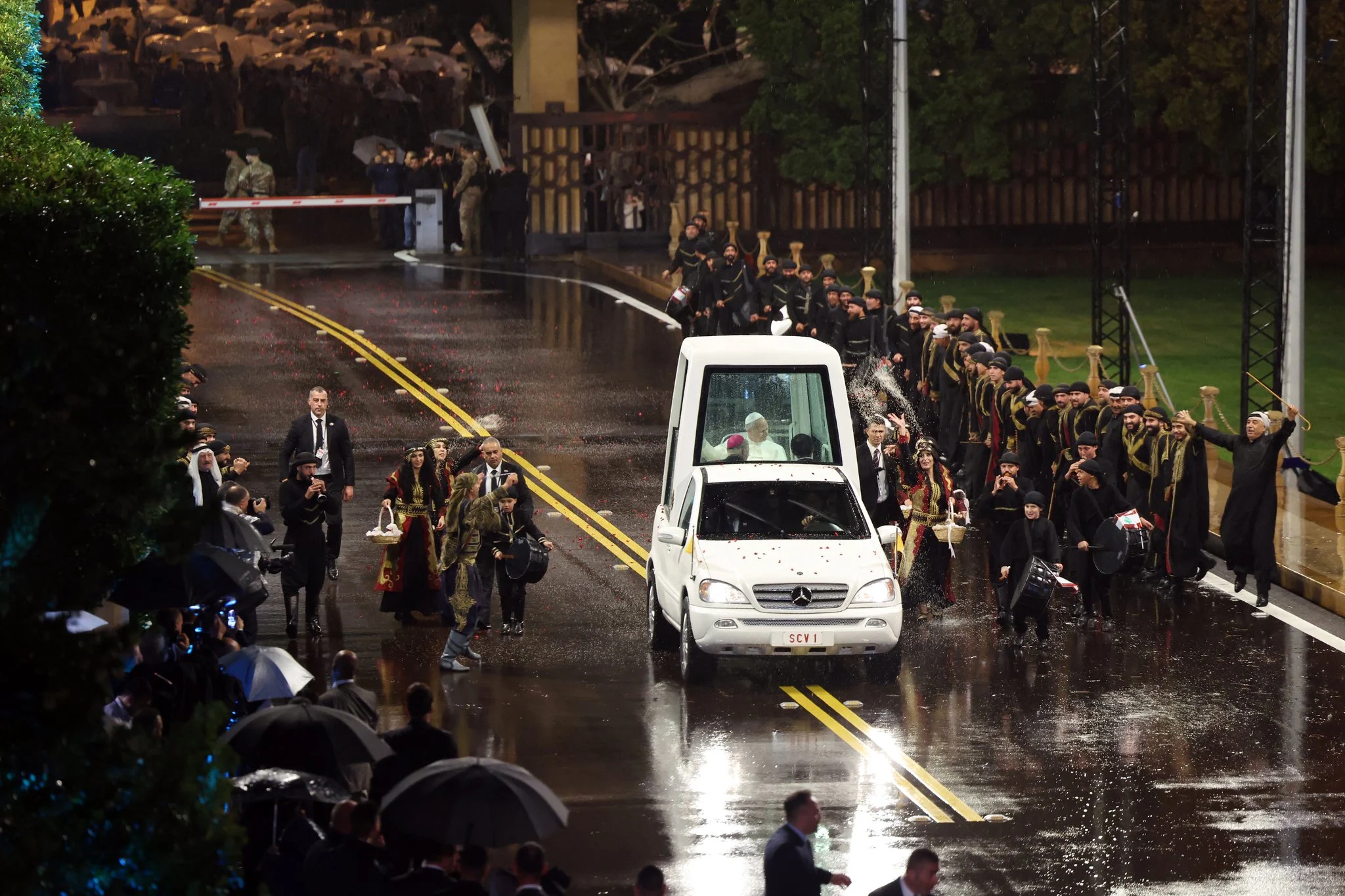
His visit began in Beirut, where he arrived to an official welcoming ceremony and immediately entered a full program of meetings with the country’s highest leaders. From Baabda Presidential Palace to gatherings with civil society and diplomats, the tone was set early on. Despite the rain, a traditional Lebanese zaffe accompanied his arrival, with rice and flower petals thrown as a gesture of blessing and celebration. The event featured a special orchestral composition by internationally acclaimed pianist Aleph, recorded with the City of Prague Philharmonic Orchestra and choir voices, accompanied by 3D mapping on the palace. Aleph described it as a dialogue between earth and heaven, offering beauty and emotion to this historic moment. Outside these formal settings, people lined the roads just to catch a glimpse of the Popemobile as it passed.
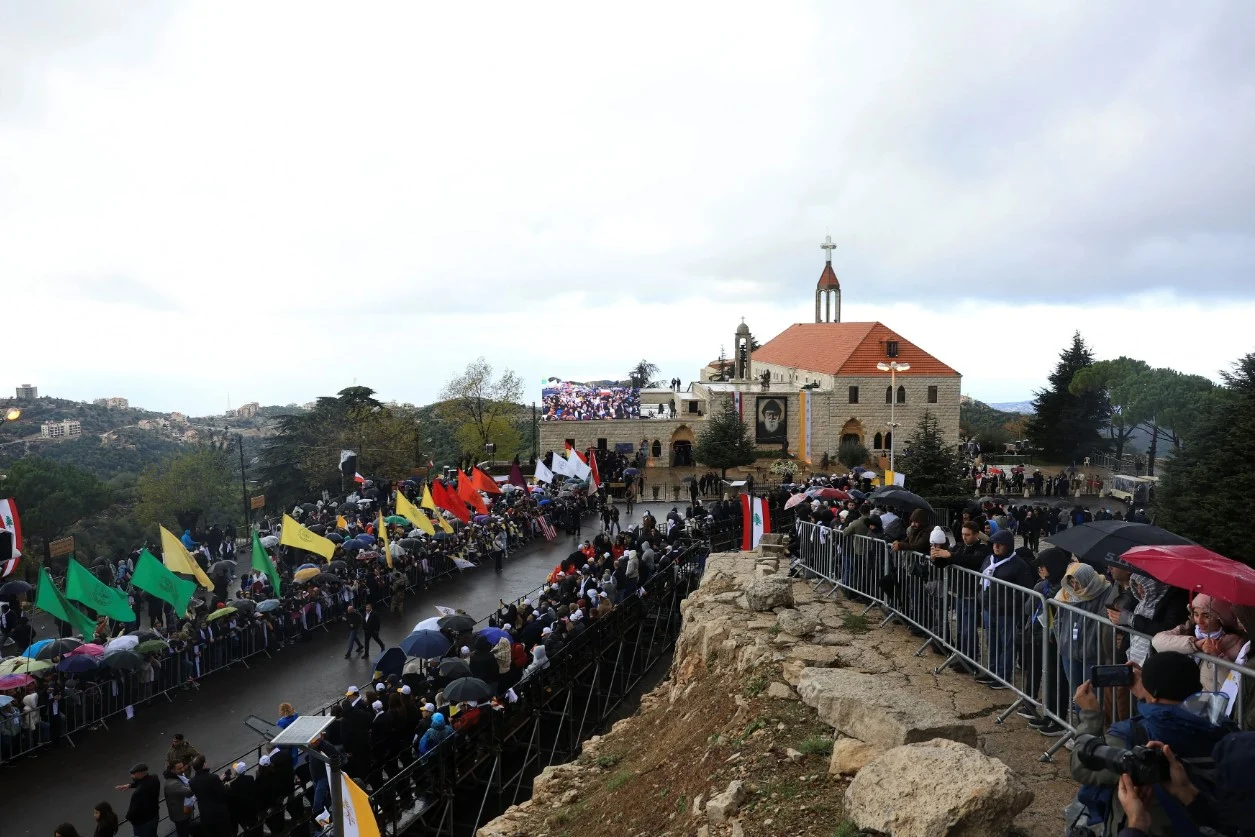
Saint Charbel Monastery and Harissa: peace in the Lebanese mountains
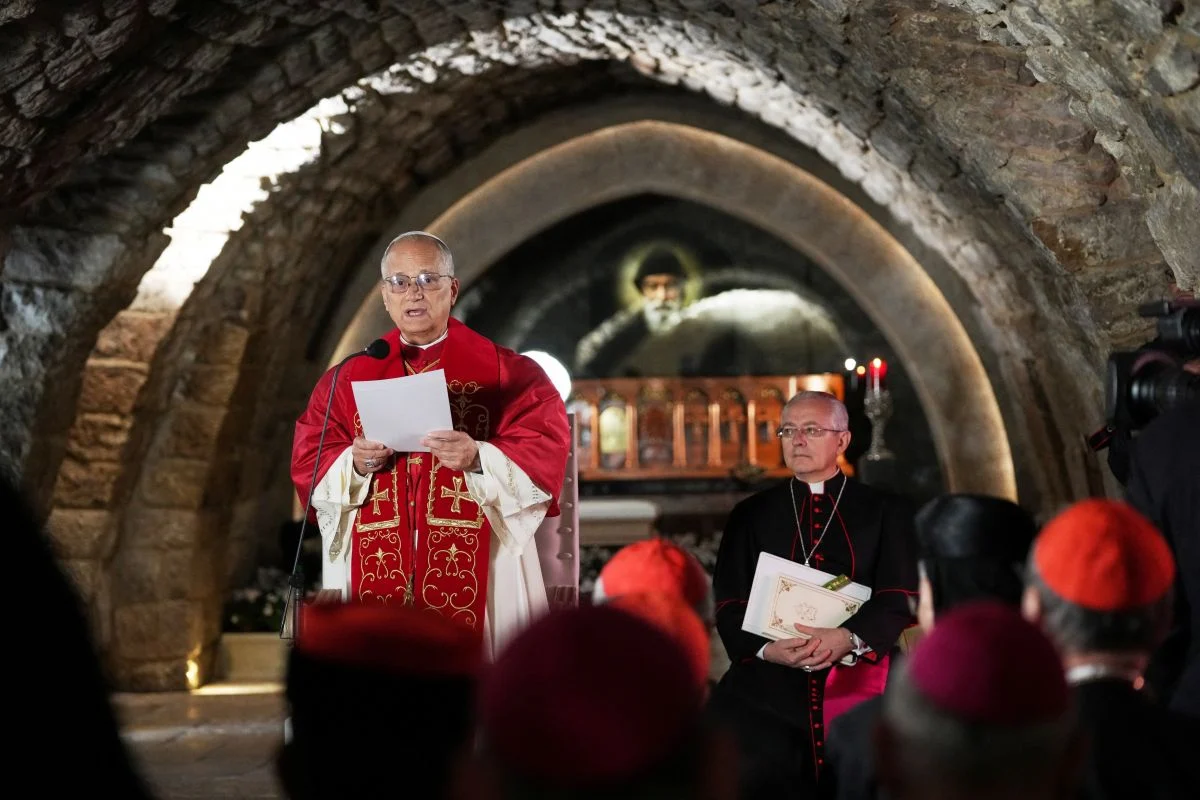
The following day took him into the northern mountains, where he made one of the most anticipated stops of the visit in Annaya, the resting place of Mar Charbel, the Lebanese saint. Rain fell steadily as crowds waited along narrow hillside roads for hours to follow his visit to the Saint Maron Monastery.
From there, Pope Leo moved on to Harissa, where religious leaders gathered; he met with priests, nuns, migrant workers and families affected by conflict, including those who had fled bombed areas and lived through displacement. A nun from Baalbeck shared her experience of sheltering families under fire, a priest described working with prisoners in overcrowded jails and a migrant worker recounted how her parish became a refuge for abandoned domestic workers. The Pope responded, “Our prayer gives us the strength to continue hoping and working even when the sound of gunfire rumbles all around.”
By evening, thousands of young people had filled the plaza of the Maronite Patriarchate in Bkirki, where chants, flags and applause marked one of the liveliest moments of the visit. Lebanon’s youth shared beautiful testimonials about the challenges of the war and crises, with calls for love and unity. The gathering was filled with dance and applause, a moment of energy and optimism for the next generation.
An emotional farewell
The final day carried its deepest emotional weight. Pope Leo was warmly welcomed by Sister Marie Makhlouf and the patients at the Psychiatric Hospital of the Sisters of the Cross in Jal al-Dib (Deir Es Salib), who greeted him with applause, ululations and flags. A choir of patients performed a song composed for the occasion. The mother superior had to pause her speech several times, overcome with emotion, as she told the Pope that this hospital reminds forgotten patients that they are loved by God. Pope Leo spoke directly to patients and staff, assuring them, “You are in my heart and in my prayers,” and encouraged the caregivers not to lose the joy of their mission. From there, he traveled to the Port of Beirut, where he stood in silence at the site of the 2020 explosion. In a quiet moment with the families of victims, he offered words of comfort and prayer.
 Pope Leo’s visit concluded at the Beirut Waterfront, where a 150,000-strong crowd gathered for the final Mass. Families, scouts, church groups and visitors from across the country came together in a powerful show of unity, marking the largest public gathering of the Pontiff’s historic trip. In his closing speech, he said: “Departing is often more difficult than arriving,” reflecting on his experiences in Lebanon, where he witnessed people choosing togetherness over isolation. He added that while arriving meant gently entering into Lebanon’s culture, leaving meant carrying its people in his heart, concluding that this was not a farewell but a shared step forward together, with hope that this spirit of fraternity and commitment to peace would extend across the entire Middle East.
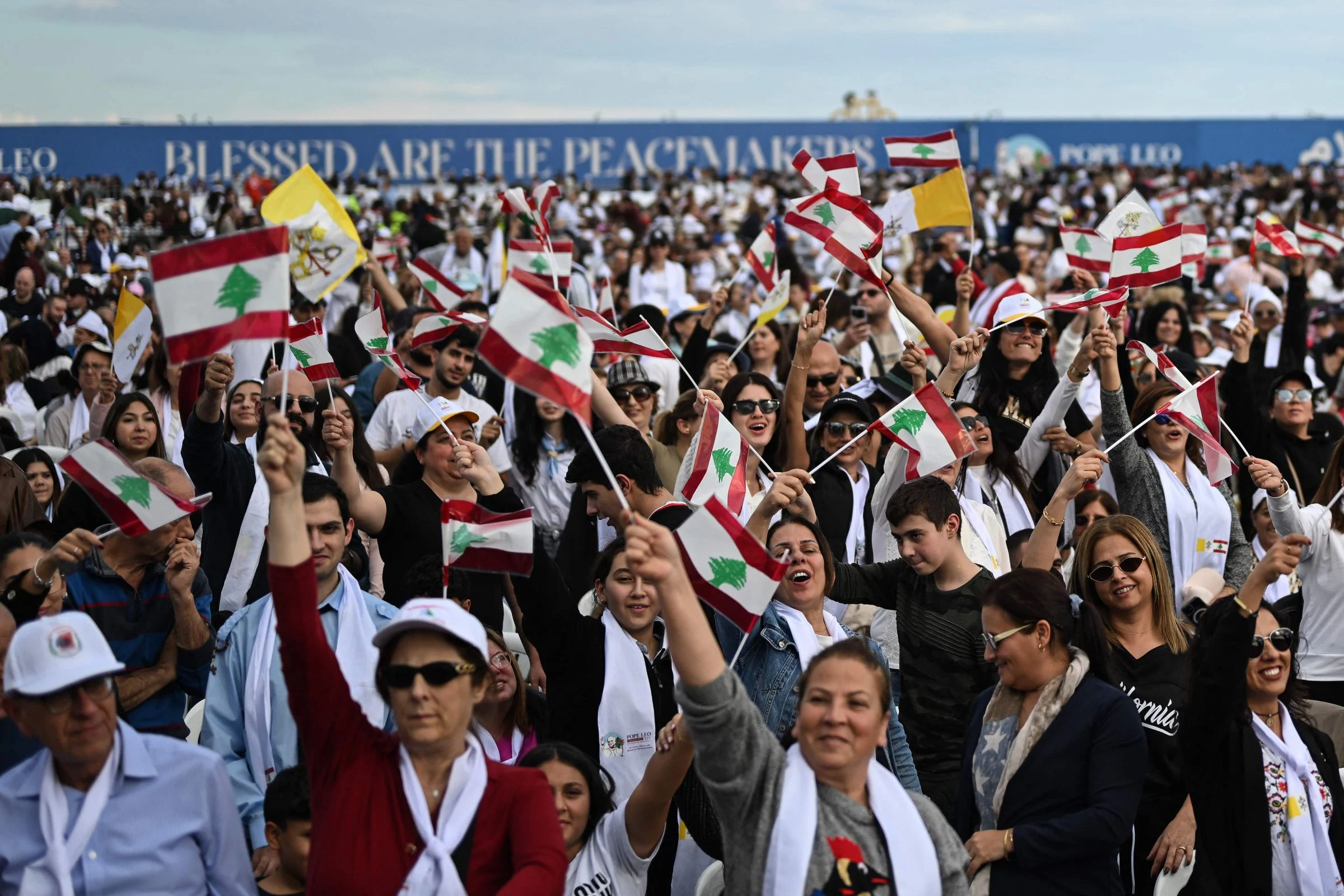 By early afternoon, Pope Leo departed Lebanon, ending a tightly packed visit between the country’s political centers, its spiritual landmarks and its scarred sites. Across Beirut, Annaya, Harissa, Bkirki and beyond, one message remained consistent. In every speech and appearance, Pope Leo advocated peace, urging Lebanon to resist division and continue striving for reconciliation.
———————————————————————————————————————————————————————————-
If you enjoyed reading this, check out our article on Darb Mar Charbel.