



Religious anthropologist and researcher Nour Farra-Haddad takes us on a tour around Saint Nicolas’s Greek Catholic Episcopate Cathedral in Saida.
Photos: Abass Selman
Since the 14th century BC, the coastal city of Saida has been a commercial center, with strong trade links to Egypt. Famed for its glass-making traditions, which were considered among the best in the world, the city also became known for its shipbuilding capabilities.
Like other Phoenician cities, Saida suffered numerous conquests. After the Arab conquest (AD 636) Saida remained a small flourishing city. During the Crusader period (AD 1110-1291), it became a chief town and a barony of the kingdom of Jerusalem. The Mamluks, followed by the Ottomans, occupied Saida at the start of the 16th century. It regained its status in the 17th century during the rule of Emir Fakhr-al-Din II (1572-1635), who declared Saida his commercial capital in 1594.
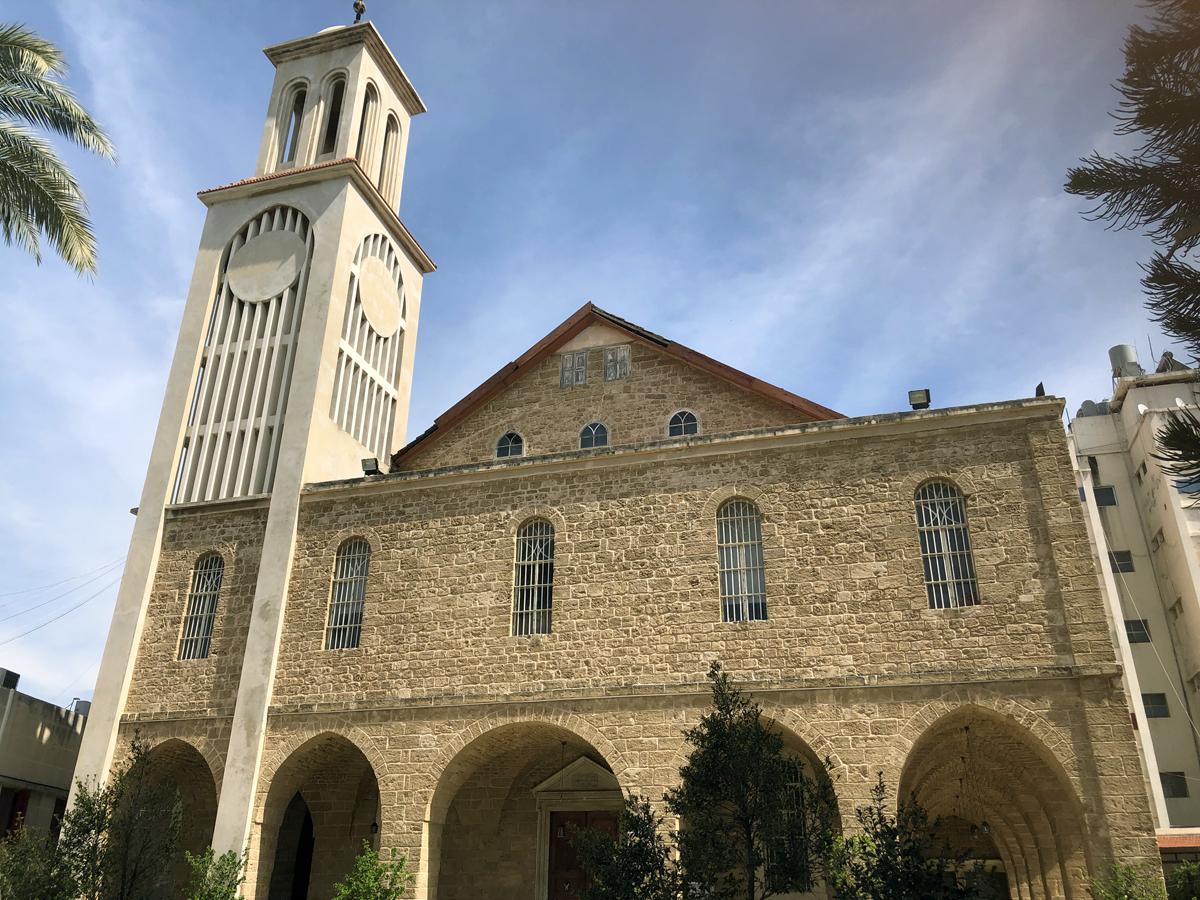
 At the edge of the old souk of Saida lies the Greek Catholic Cathedral of Saint Nicolas (Mar Nkoula), also known as the Melkite Greek Catholic Archeparchy of Saida. The eparchy began in 1683, with its Melkite bishops in communion with Rome. Initially, it was united with the archeparchy of Tyre; but the two locations were separated in the mid-18th century. Saida remained an eparchy until Pope Paul VI elevated it to an archeparchy in 1964.
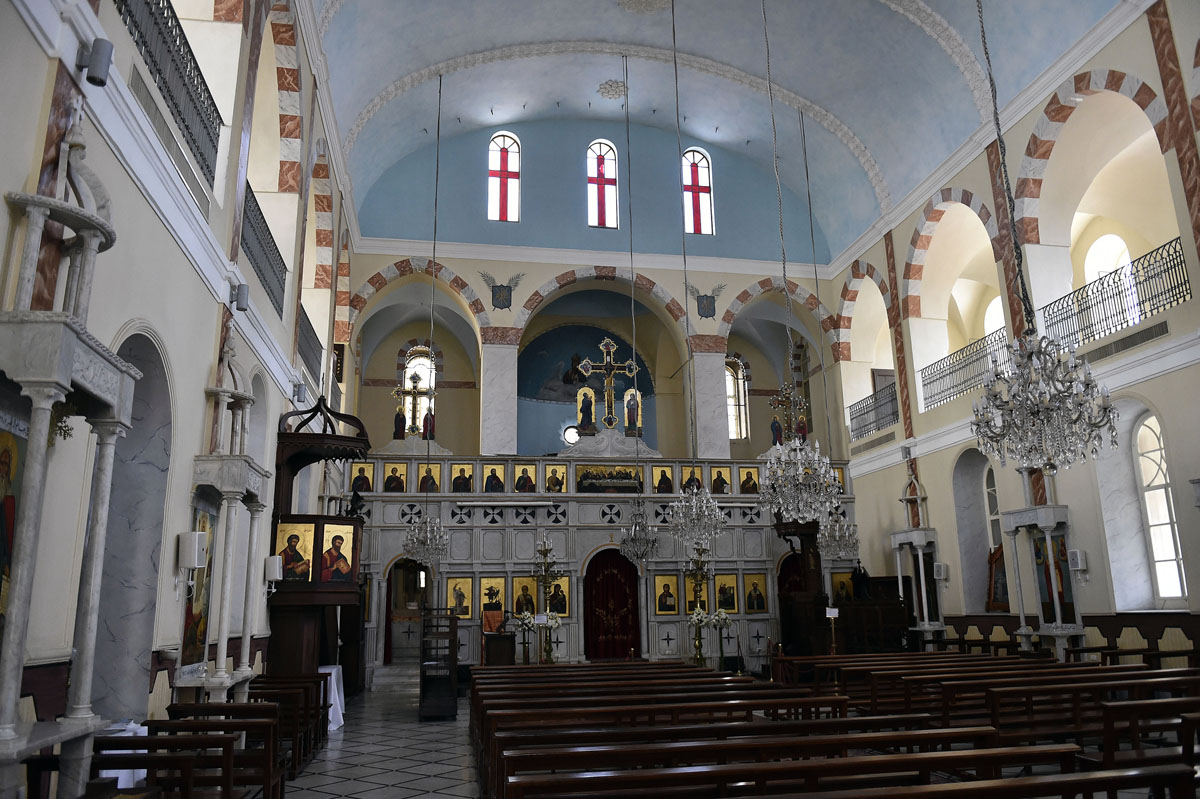
 The cathedral is one element of a religious complex constituting the seat of the archeparchy. This cathedral lies on the boundary of ancient Saida, near the Greek Orthodox archbishopric. The plot of land was bought in 1890 and the cathedral was inaugurated in 1896. Featuring three altars hidden by a marble iconostasis, the cathedral is decorated with frescoes (scenes from the Old and New Testaments).
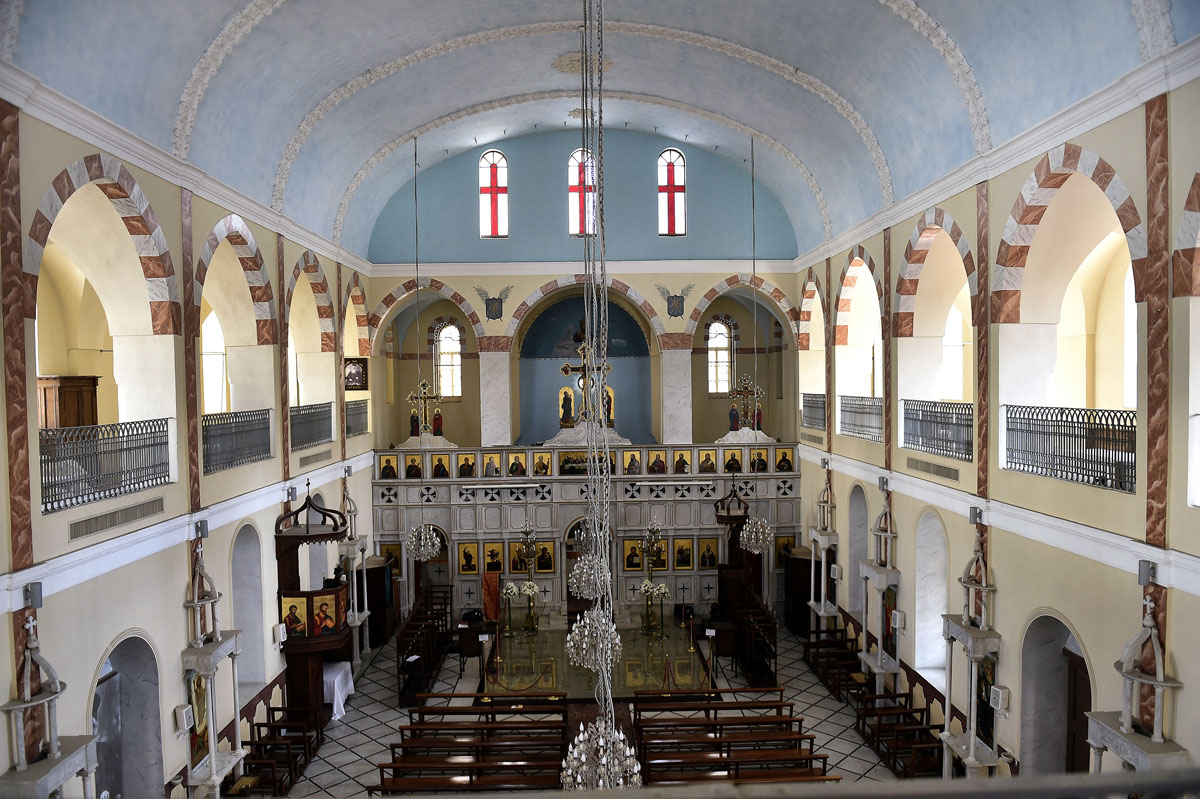 Most of the icons in the cathedral date back to the mid-20th century and were painted by the Greek Orthodox Sister Pelagie Tebechrani from the monastery of Our lady of the Presentation in Karm El Zeitoun, Beirut. The mosaic in front of the main altar is an artwork from the 6th century Byzantine period. This mosaic was brought from the Byzantine site in Anane, a village located 20km from Saida on the way to Jezzine. The mosaic portrays mainly geometric, animal and floral motifs as well as some Greek inscriptions.
What to Do in the Area
 One of Saida’s most renowned sites is the Sea Castle, a small crusader fort built in the 13th century. You can also pass by the port of Saida to visit Khan El Frenj, the caravanserai of the French, built by Fakhr-al-Din II in the early 17th century. Stroll through the old souks to visit: historical mosques, such as Kikhia Mosque or Bab Al-Saray Mosque; hammams, like Hammam Al Ward; Saida’s Soap Museum (foundationaudi.org); OLA center; and Debbaneh Palace (museumsaida.org). You can easily spend half a day in the old souks. Enjoy street food in the souks or a meal at Rest House Saida (+961 7 722469), Zawat (+961 70 350050) or Tawlet Saida (+961 7 733899).
Holy Lebanon: Lebanon’s First Religious Tourism App
Holy Lebanon is a travel e-guide promoting religious-based tourism and supporting the sustainable development of local communities across the country. Introducing Lebanon as an attractive destination full of interesting sites to discover, the guide lists thousands of religious attractions, rituals and events, as well as names and details of service providers. Embrace Lebanon’s religious diversity and take advantage of this practical and comprehensive tool by downloading the free application on the AppStore or Google Play.
Loading