



Lebanon resists simplification. Within a territory smaller than many global cities, it compresses millennia of history, striking geographic contrasts and layered cultural identities into a remarkably concentrated experience. The country unfolds vertically rather than horizontally, rising from Mediterranean shores to cedar forests and snow-covered peaks in under two hours. Understanding this density is essential before you land.
Geography
Lebanon stretches along the eastern Mediterranean Sea. Its compact size, just over 10,000 square kilometers, is deceptive. The country is structured in four natural bands: a narrow coastline, the Mount Lebanon range, the Bekaa Valley and the Anti-Lebanon mountains along the eastern frontier.
This vertical geography shapes daily life. Coastal humidity gives way to crisp mountain air within an hour’s drive. Winter snow settles in higher elevations, while Beirut remains comparatively temperate. Packing, planning and even dining habits shift according to altitude as much as season.
Beirut and the Coastal Cities
Beirut is both entry point and cultural pulse. The city is dense, layered and in constant negotiation with its past. Roman remains stand near contemporary galleries. Ottoman façades frame cafés filled with multilingual conversations. The Corniche remains one of the most popular public spaces in the capital, where families, runners and fishermen share the same horizon.
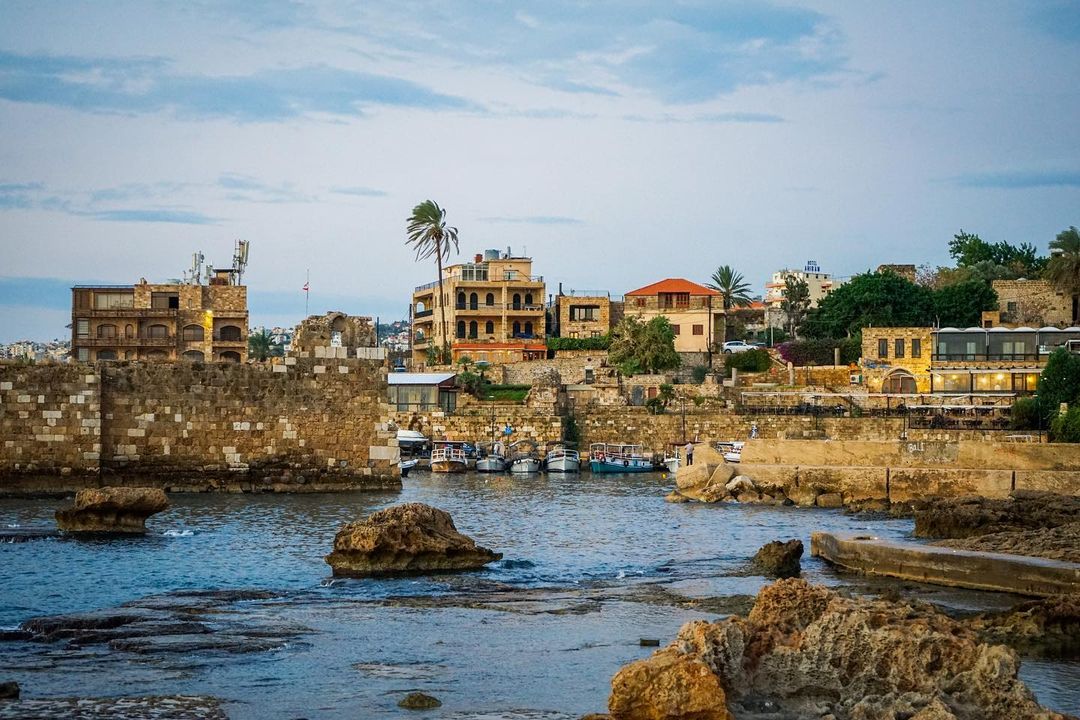
Photo – @Jolifou
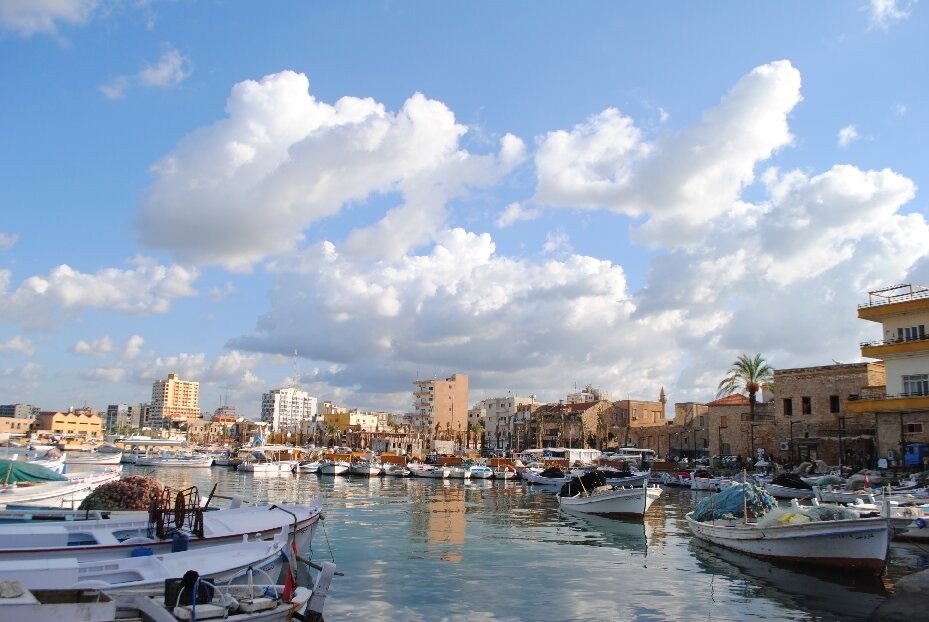
Yet Lebanon cannot be understood through Beirut alone. Byblos reveals one of the oldest continuously inhabited ports in the Mediterranean. Tripoli preserves Mamluk architecture and historic souks that remain active rather than curated. Tyre combines significant archaeological remains with a lived coastal rhythm. Saida continues to carry maritime heritage within its old markets and shoreline.
Tyre
Language: A Trilingual Reality
Arabic is Lebanon’s official language, and Lebanese Arabic shapes everyday conversation. However, language here is rarely singular. French remains deeply embedded in education and public life, while English is widely used in business, hospitality, and among younger generations.
It is common to hear a sentence begin in Arabic, move into French and conclude in English. This linguistic fluidity is not affectation but inheritance, reflecting centuries of external influence layered onto local identity. Visitors who speak any one of these languages will navigate easily in urban centers and most tourist areas. In rural settings, Arabic predominates, though warmth and patience compensate for vocabulary gaps.
Currency and Payments
The Lebanese Pound is the official currency, yet US dollars circulate widely in many sectors. Pricing may be displayed in either currency depending on the establishment. Visitors are advised to confirm the currency before settling a bill and to carry cash, particularly in smaller denominations.
Payment systems can vary between neighborhoods and regions. A brief clarification at the outset avoids confusion and reflects a practical understanding of the local economic landscape.
Climate and Elevation
Lebanon follows a Mediterranean climate pattern along the coast, with hot and dry summers and cooler, rainier winters between December and March. In the mountains, temperatures drop more sharply, and snow is common at higher elevations during winter months.
Spring and fall offer the most balanced conditions, with clear skies and moderate temperatures across most regions. The country’s elevation changes mean that climate is experienced differently depending on where you are standing. It is possible to leave a humid coastal morning and arrive in a mountain village requiring a light jacket by evening.
Heritage in Context
Lebanon’s historical depth is not abstract. Recognized UNESCO World Heritage sites include Baalbek, Byblos, Tyre, Anjar, Saida and the Cedars of God.
What distinguishes these sites is not simply their age but their integration into contemporary life. Archaeological remains are rarely isolated from daily activity. They coexist with markets, homes, cafés and evolving urban spaces. History here is not staged as spectacle. It is embedded in ordinary landscapes.
Social Codes
Lebanon’s social fabric is religiously and culturally diverse, with Christian and Muslim communities represented across multiple denominations. Religious holidays from different traditions are observed nationally, shaping the rhythm of the calendar.
Urban centers such as Beirut tend to adopt relaxed dress codes, while modest attire is appropriate when visiting religious sites or more traditional villages. Hospitality is deeply ingrained. Invitations are often genuine extensions of warmth rather than polite formality. Meals are generous, and time is elastic.
Getting Around
Most international travelers arrive through Beirut Rafic Hariri International Airport. While public transportation exists, it is not structured in a way that most visitors find intuitive. Taxis, ride services and private drivers are common solutions for urban movement. Renting a car offers greater flexibility for exploring mountain regions, the Bekaa Valley and multiple coastal towns in one itinerary.
Electricity operates on 220–230 volts, 50 Hz. A universal adapter is advisable for visitors traveling from regions with different standards.
IF YOU HAVE FIVE DAYS IN LEBANON
For those looking to translate this context into movement, five days allow a balanced introduction to Lebanon’s range without reducing it to a checklist.
- Day One: Beirut
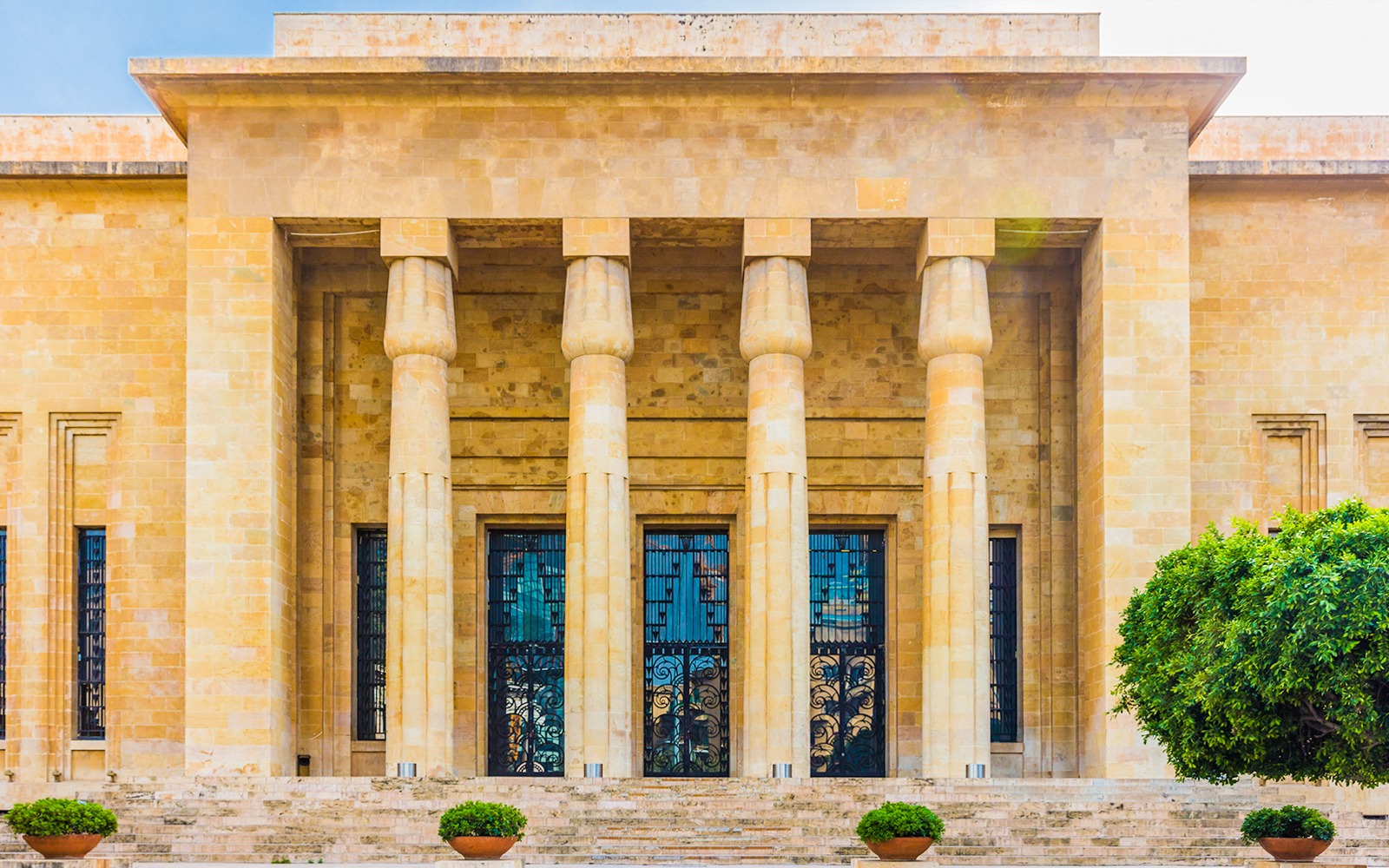
Begin at the National Museum of Beirut to ground your understanding of the country’s civilizations. Walk the Corniche, explore Downtown and Zaitunay Bay, and end the evening in Hamra, Gemmayzeh, or Mar Mikhael, where Beirut’s dining scene reflects its layered identity.
- Day Two: Jeita and Byblos
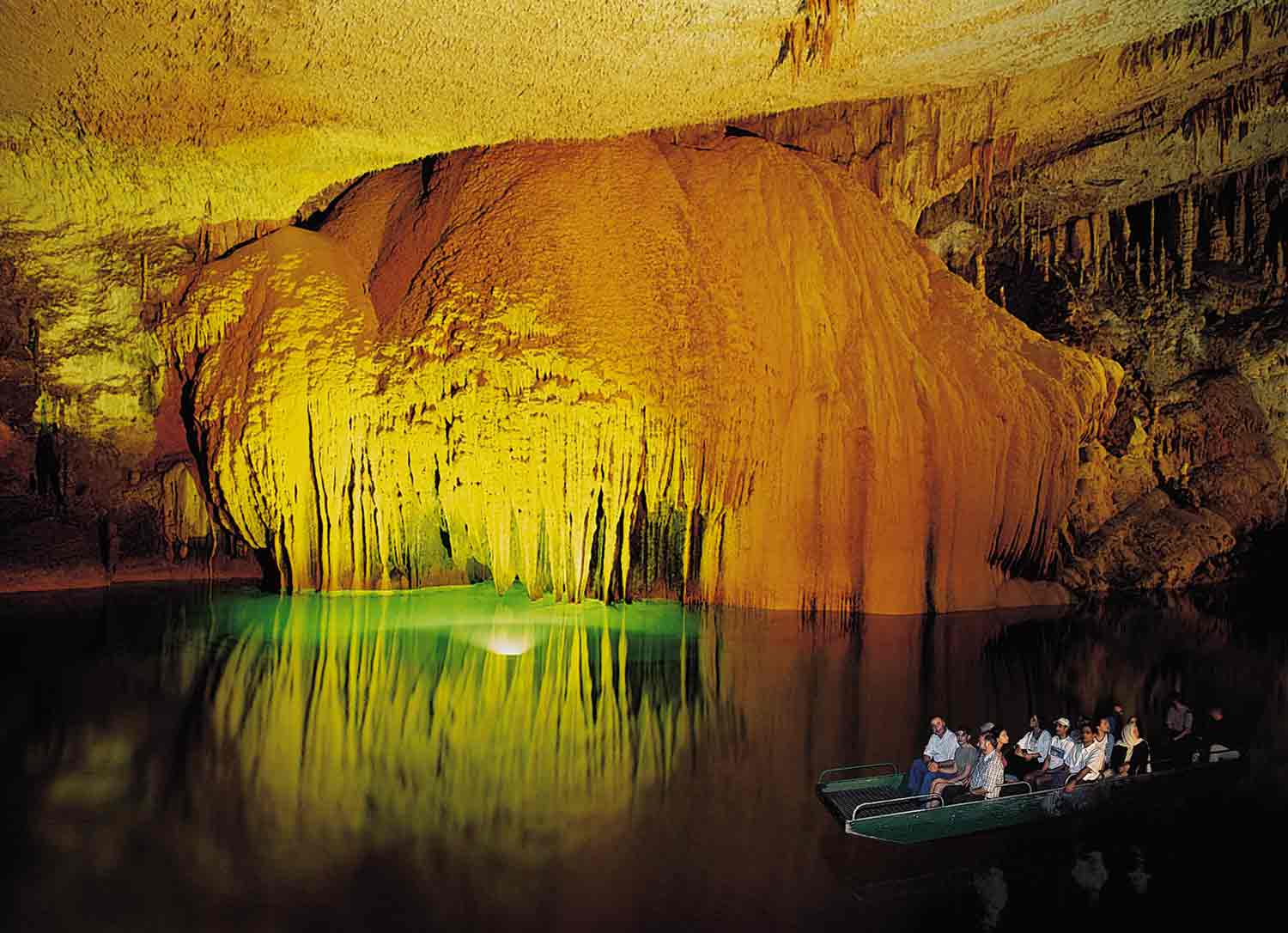 Visit Jeita Grotto in the morning, then continue to Byblos to explore its Crusader castle, harbor, and old souks. If time allows, extend to Batroun for a coastal dinner.
- Day Three: The Bekaa and Baalbek
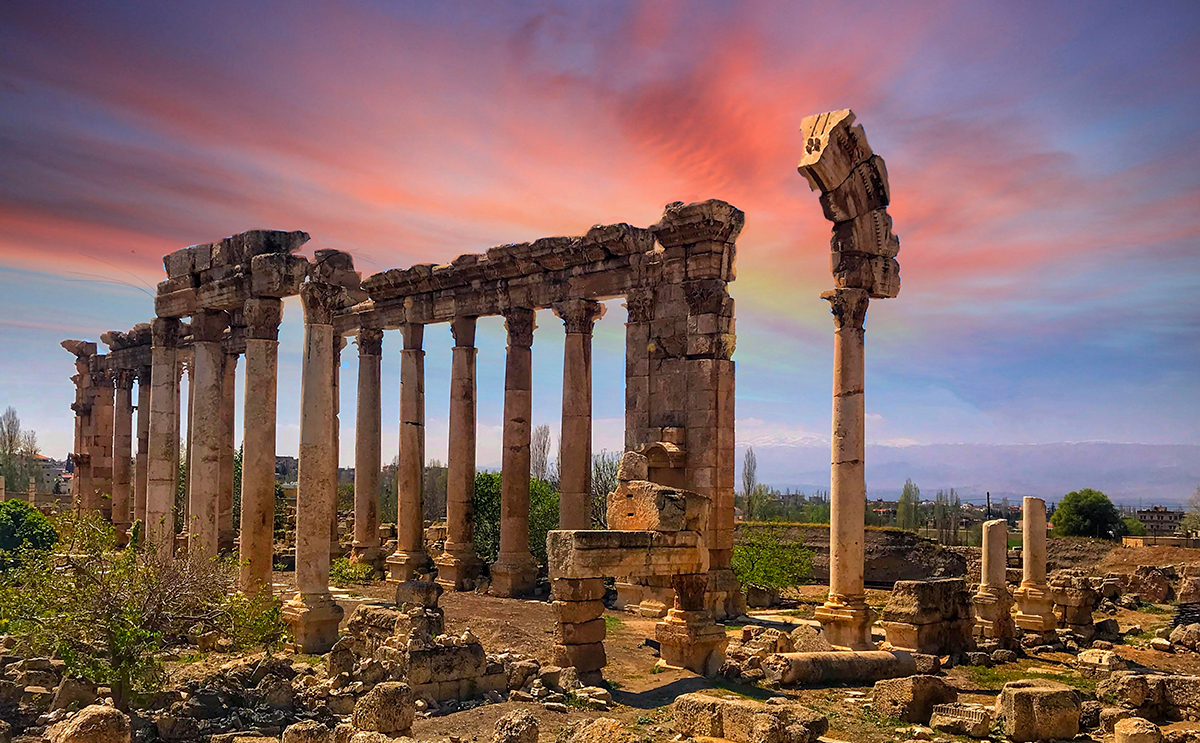
Head east to Baalbek, home to one of the most monumental Roman temple complexes in the world. On your return, consider a winery stop in the Bekaa Valley.
- Day Four: Lebanon’s Mountains
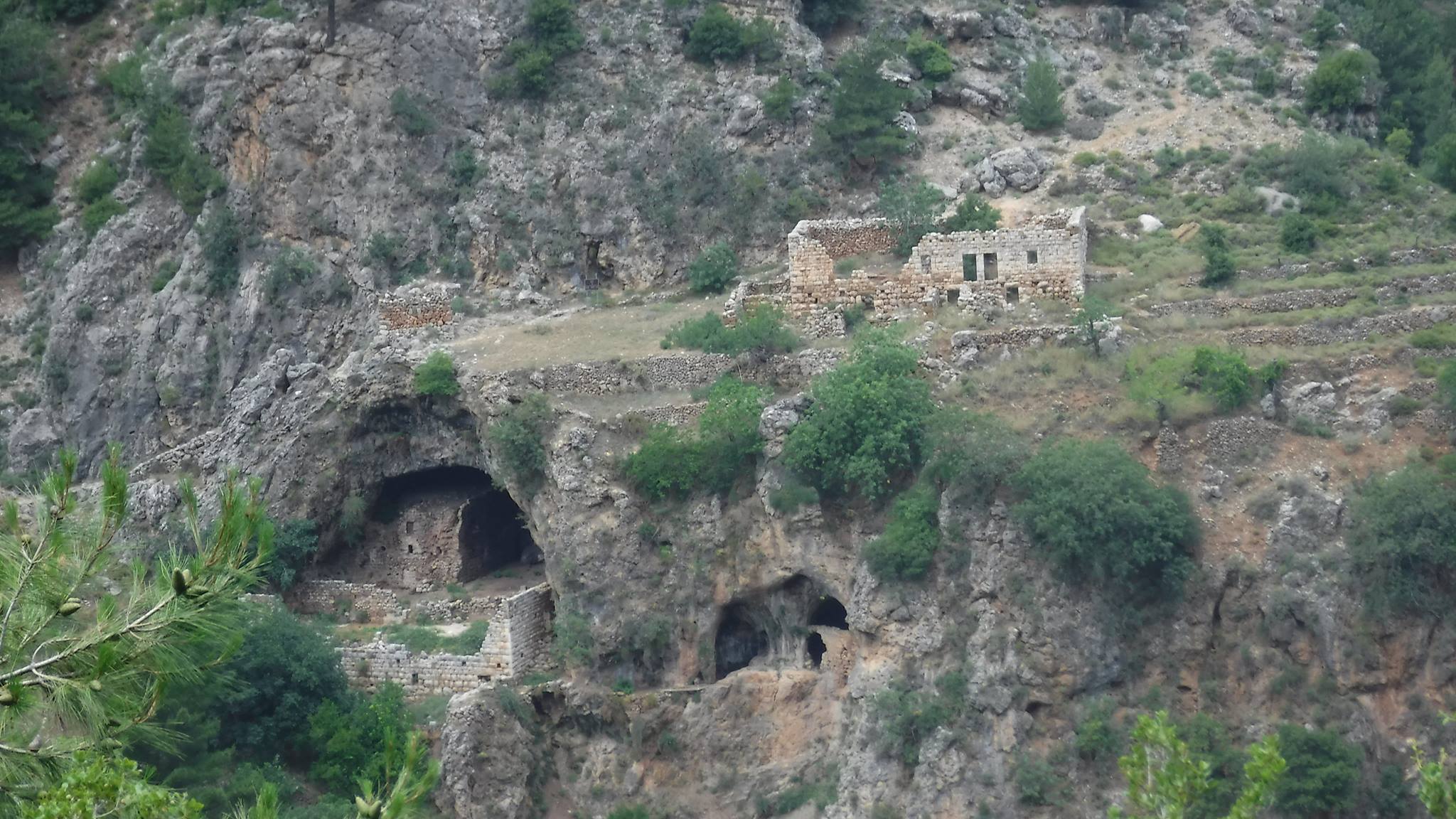
Drive toward Bsharri to visit the Cedars of God. Explore nearby villages and, if possible, the Qadisha Valley. This day introduces a quieter, higher register of Lebanon.
- Day Five: South or Slow Capital
Either drive south to Saida and Tyre for archaeological and coastal exploration, or remain in Beirut for galleries, bookstores, residential neighborhoods and a long lunch by the sea.
Before You Arrive
Lebanon cannot be summarized in a checklist of sites or a fixed itinerary. Its character lies in proximity: sea and snow, Roman columns and contemporary cafés, Arabic conversations that drift into French and English without pause.
Lebanon is not seamless. Its intensity lies precisely in that complexity. Distances are short. Layers are not.
To travel here is not simply to visit. It is to engage.
For curated recommendations on where to sleep, where to eat, where to party and what to do across the country, explore our dedicated Lebanon guides and regional sections.
Loading