


Lebanon is a country rich in history, art and culture. From ancient ruins to contemporary museums, its heritage is all around us. Yet for many people with disabilities, fully experiencing these sites has often been a challenge. Today, that is slowly beginning to change. Across the country, cultural institutions are taking steps to become more inclusive, opening doors for everyone to explore and enjoy Lebanon’s treasures. Here, Dana Nasr, co-founder of ISHTAR For Inclusive Cultural Development, shares some of the positive steps that have been taken to make culture in Lebanon more accessible.
Accessible culture is often framed as a legal obligation or a social duty. In reality, it is also an opportunity. Globally, people with disabilities represent 1.85 billion individuals and control over $13 trillion in disposable income. When we include families and friends, disability touches nearly three quarters of consumers worldwide. For a country like Lebanon, where culture and tourism are vital, accessibility is not just the right thing to do. It is smart planning.
Encouragingly, many Lebanese cultural sites are recognizing this shift. A recent survey conducted among staff at 21 cultural institutions including museums, historical sites and archaeological landmarks revealed that more than 90 percent are willing to improve their accessibility measures. Even more promising are the initiatives already underway.
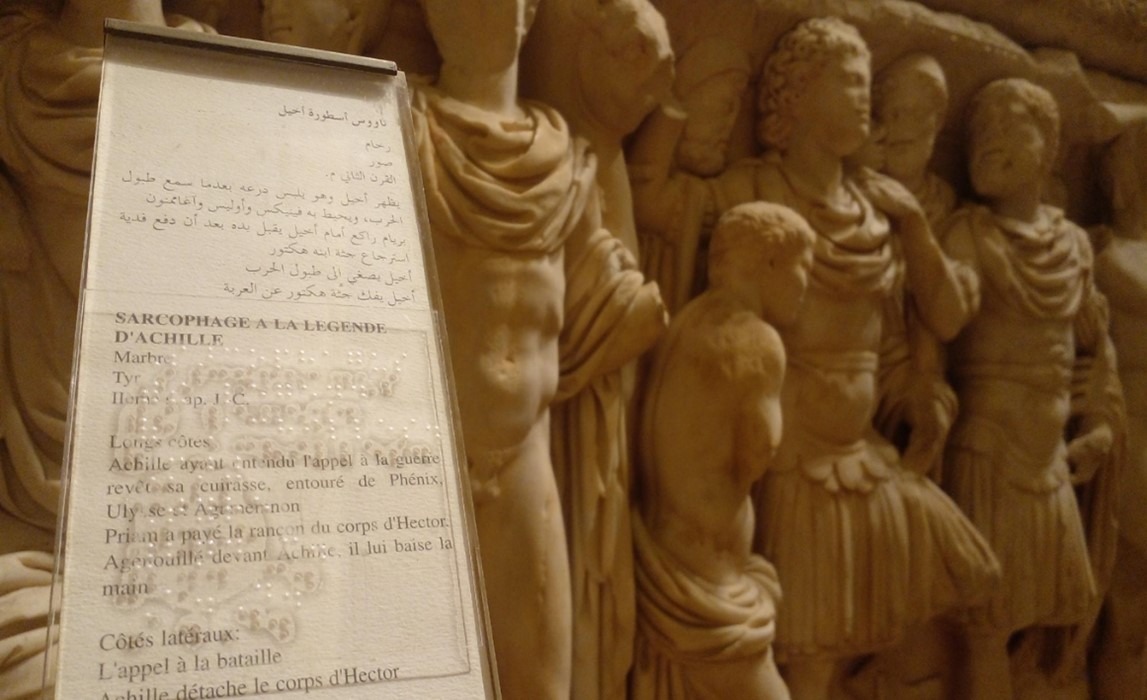
A Turning Point at the National Museum of Beirut
The movement gained real momentum in 2018 with “DOORS. PLEASE TOUCH,” a project led by Red Oak at the National Museum of Beirut. For the first time, selected sculptures, mosaics and artifacts were made accessible through touch. Braille descriptions were added to panels, allowing visitors who are blind or visually impaired to engage directly with Lebanon’s history.
The simple act of inviting someone to touch what was once untouchable marked a powerful shift in perspective. Heritage was no longer something to look at from a distance. It became something to experience.
Museums Rethinking the Visitor Experience
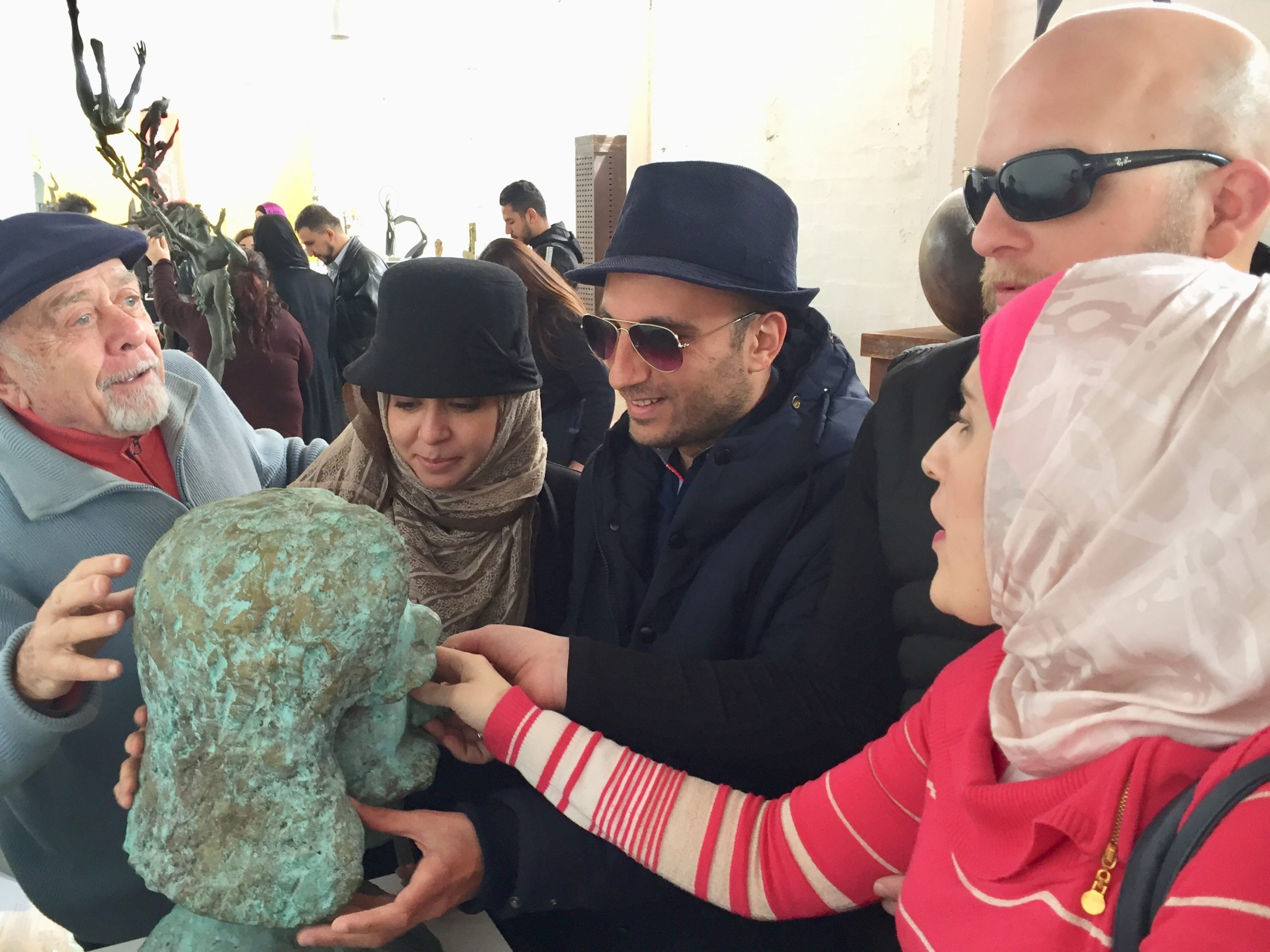
The impact extended beyond one institution. At MACAM – Modern And Contemporary Art Museum, part of the collection is now accessible through tactile exploration and Braille descriptions. The museum also offers tactile tours, opening contemporary art to a wider audience.
In Beirut, the Sursock Museum has developed a thoughtful access program that includes visual descriptions of artworks, sign language tours and inclusive workshops led by trained staff. These initiatives are integrated into the museum’s programming, ensuring that accessibility becomes part of the visitor experience rather than an afterthought.
When Education Meets Heritage
Inclusion is not limited to museums. The Grand Lycée Franco-Libanais – Achrafieh contributed to the creation of a multilingual audio guide for the Faqra Archaeological Site. Available upon request, the guide offers detailed explanations tailored for visitors with visual disabilities.
This collaboration highlights how schools and students can actively participate in shaping a more inclusive cultural landscape, connecting education with heritage in meaningful ways.
A Landmark for All on the Corniche
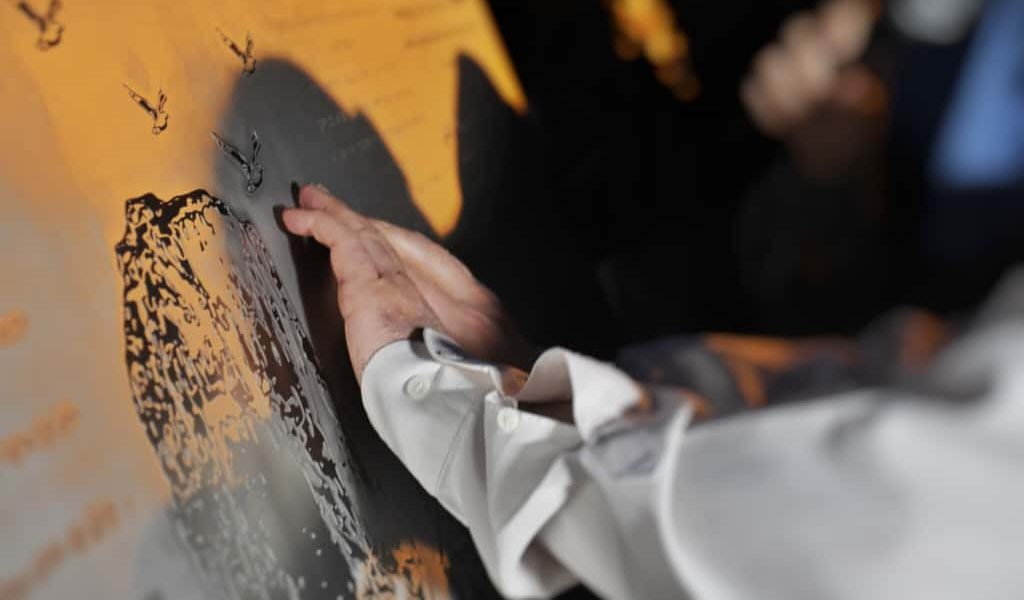
In 2025, ISHTAR For Inclusive Cultural Development implemented another milestone: an inclusive interpretive panel installed along Beirut’s Corniche facing the iconic Raouche Rocks.
The panel includes text in Arabic and English, Braille in both languages and an embossed illustration of the rock formation. It allows visitors with visual disabilities to independently experience one of Lebanon’s most photographed landmarks. At the same time, it raises awareness among passersby about the importance of inclusive design in public spaces.
Building Momentum Through Collaboration
Individual projects are essential, but broader collaboration is what sustains progress. Campaigns such as “Heritage for All” launched by the Ministry of Culture, “Tourism for All” initiated by the Lebanese Physical Handicapped Union and the 2023 seminar on accessibility in cultural and natural sites organized by ISHTAR have all contributed to strengthening dialogue between public institutions, NGOs and the private sector.
More recently, the “Right to Heritage” initiative by Silat for Culture has begun addressing legal gaps in cultural accessibility, reinforcing the idea that inclusion must also be embedded in policy.
If you enjoyed reading this, check out our article on 25 museums to visit across Lebanon.
Loading