



Lace, embroidery, cross-stitching and other forms of delicate handwork have been passed down through the centuries and recognized by all. However, in Baalbeck, a unique embroidery technique known as taree remains a secret within the community.
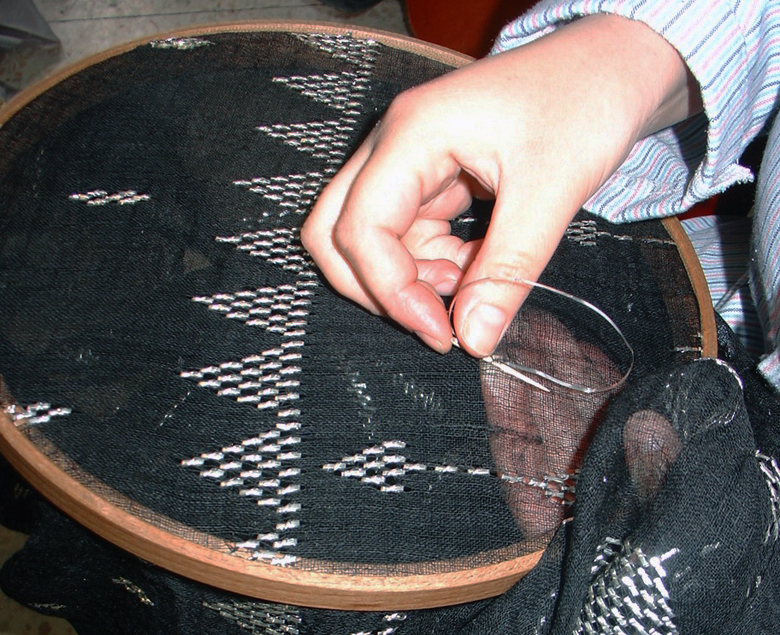 Taree is known as the silver thread embroidery, most commonly done on scarves and muslin dresses. The fabric that is traditionally black, beige or brown is stretched over a small embroidery hoop and a 2-millimeter thin flat thread is passed through the material using a triangular shaped needle. A stitch is formed by a quick stroke, almost like hitting the material (this is known as a tarka). It is then closed and the thread is cut by jiggling it. The seamstress repeats the work so that the standalone stitches form various designs and patterns.
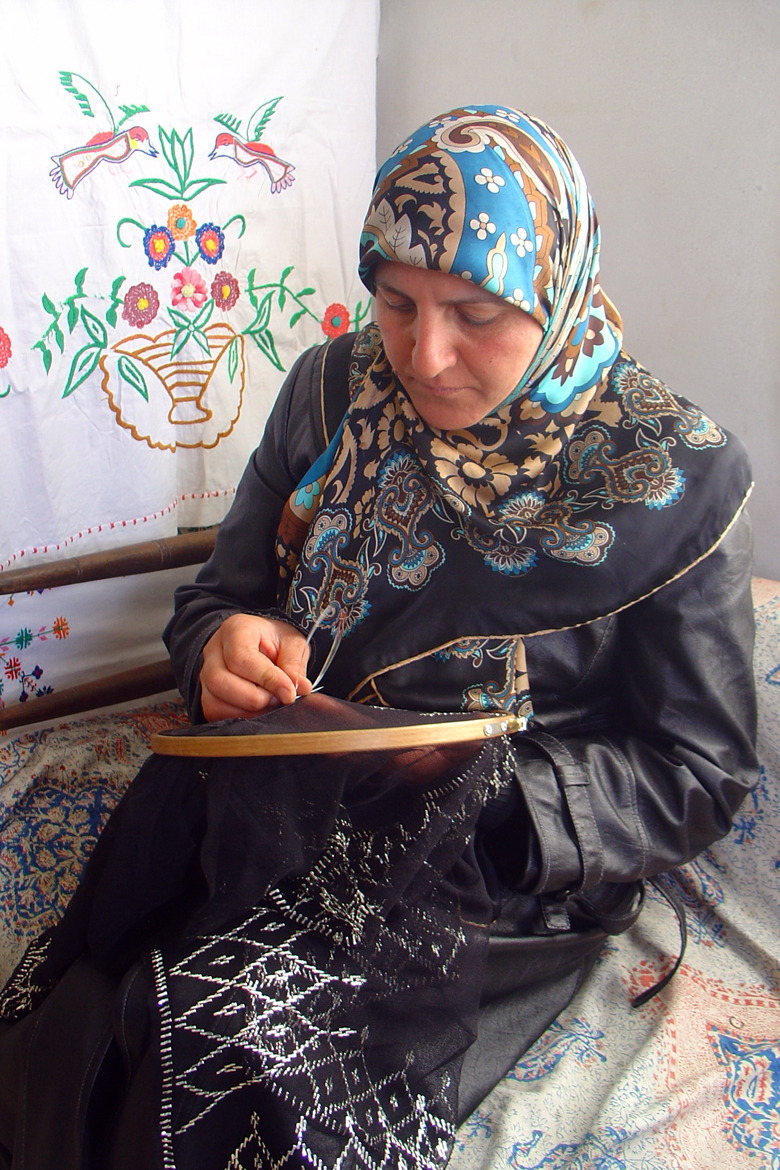 It is women that predominantly practice taree and the art is passed on from one generation to the next. As soon a girl is born, her mother begins working on a taree scarf and dress that she will wear on her wedding day. Traditionally, the bride wears a black dress first, made by her mother, and a white dress later on.
A taree dress and scarf were an essential part of a girl’s trousseau. Old taree pieces were made on veil-like fabric, usually made from camel wool. This would allow both needle and thread to pass without tearing.
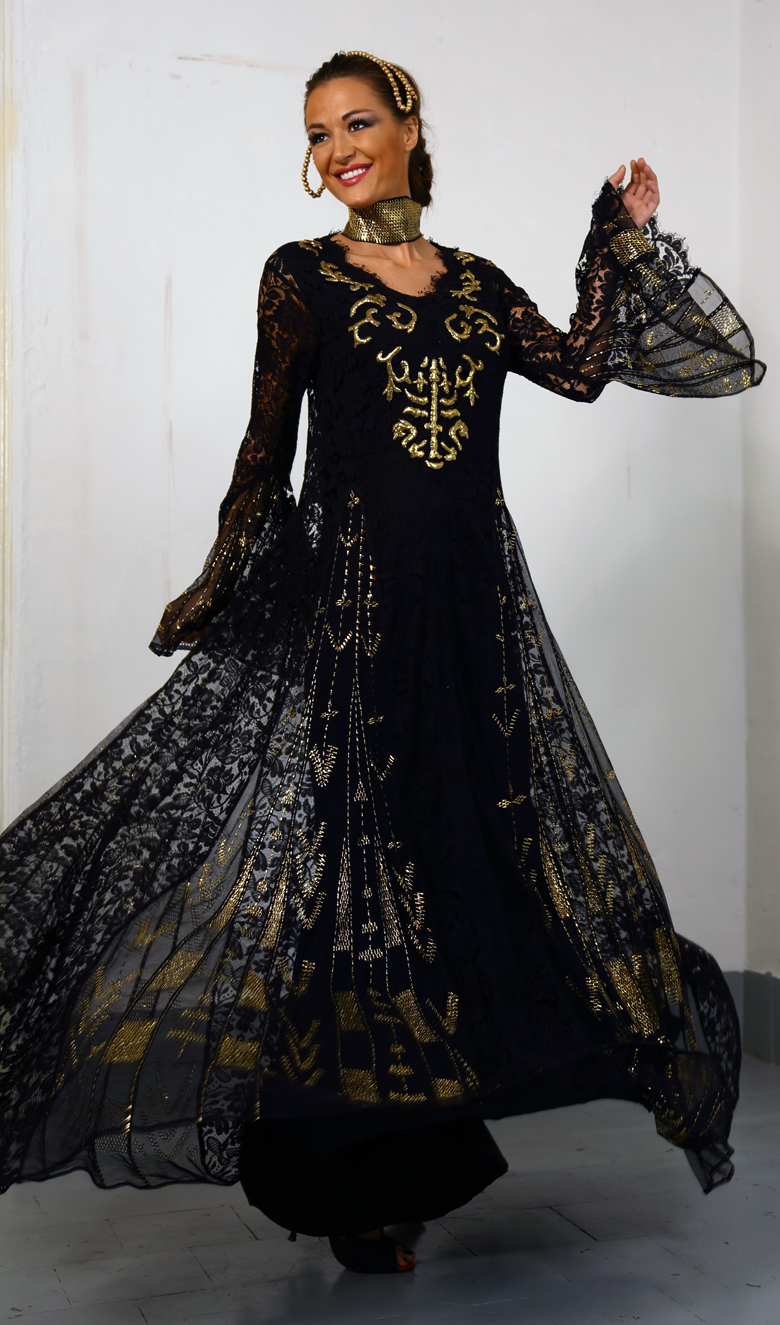 As for the designs, there are about 8 to 9 different ones that are used. Most of them are in the form of geometric patterns, as it is quite difficult to create rounded shapes with such a heavy needle and stiff thread. A delicate and well-executed piece is time-consuming and requires months of work depending on its intricacy.
The taree tradition is not well known in Lebanon, as it is a unique craft to Baalbeck. In fact, very few Lebanese are aware of taree, unless they are from the area, and just like any traditional craft, it is slowly becoming a lost art.
Assyla: Reviving a lost tradition
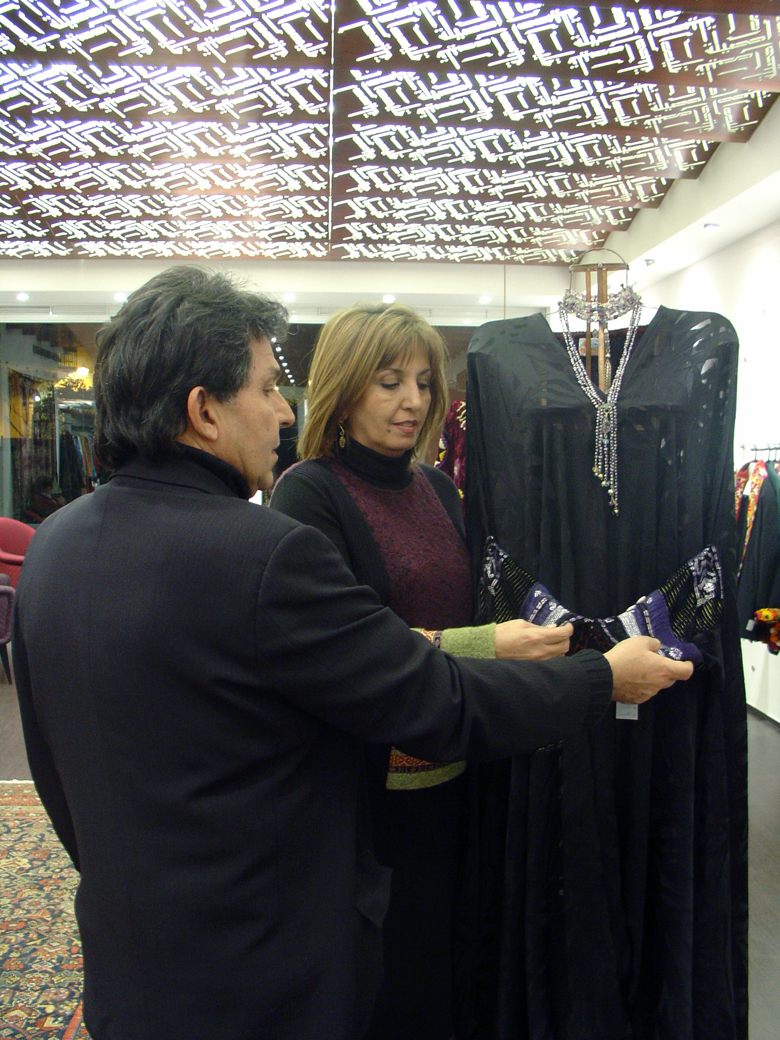 El Hareth Haidar and his partner Najwa Sinno, both natives of Baalback, created “Assyla” (from the roots) to revive the lost art of the taree. They went around the area looking for ladies who were still practicing the craft and encouraged them to teach it to the younger generation.
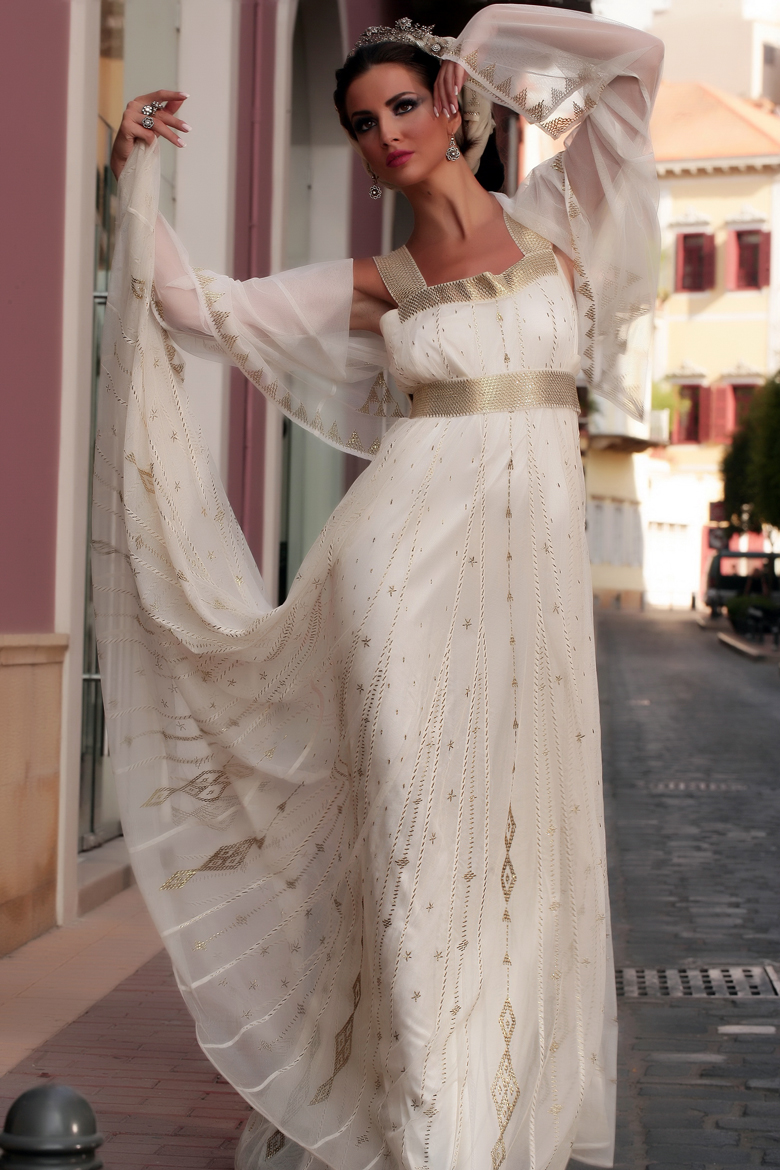 Due to the uniqueness of the craft, they were sure to find a market and sell the work. Many ladies from the area took on the challenge. In fact, several families today depend on the income they make from taree. Most of the ladies work from home. The work is then gathered and assembled into garments at the Assyla workshop. The dynamic duo did not stop there. They took the craft a step further, using it on new fabric, integrating colors, as well as new working techniques so that workers were able to create more circular shapes.
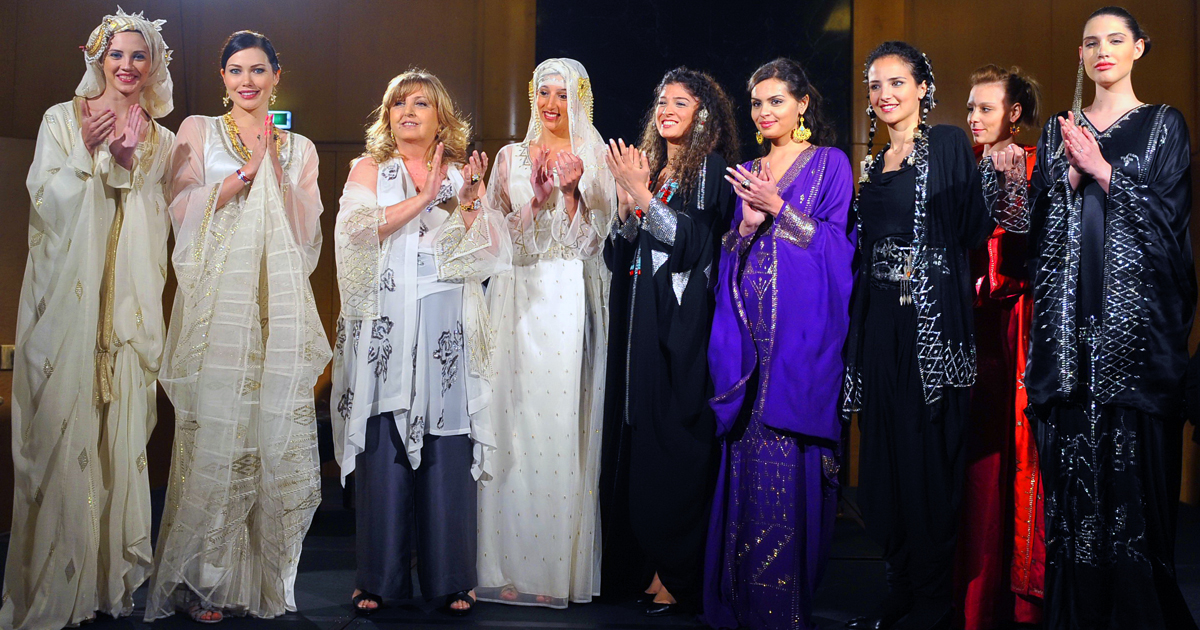 Today taree is integrated into various clothing types, from scarves to dresses, jackets or unique bracelets and abayas. Considering the time needed to make the garment, the price is not exactly cheap, but you are sure to find something to fit your budget. Taree is only available in silver and gold since these are the only colors of thread used. Just like any craft, you will find taree made of lesser quality for a cheaper price.
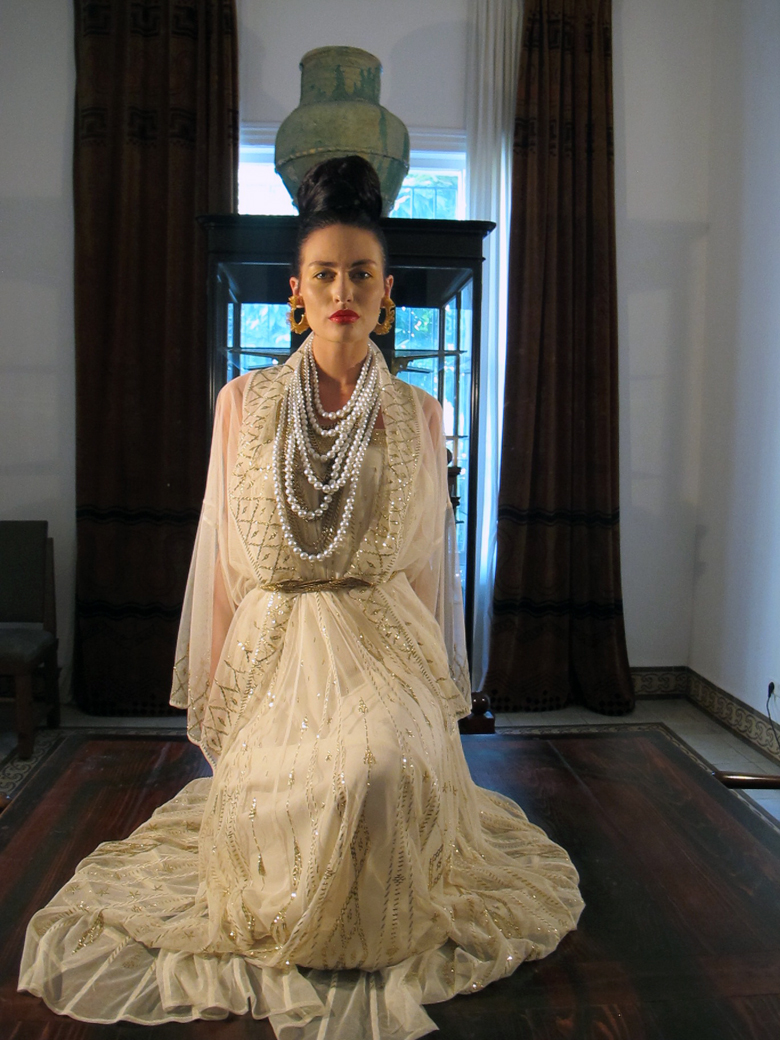 To learn more about the art of taree, Assyla offers live demonstrations by one of their artisans.